Grain-Free Diet for Dogs – What the Science Actually Says

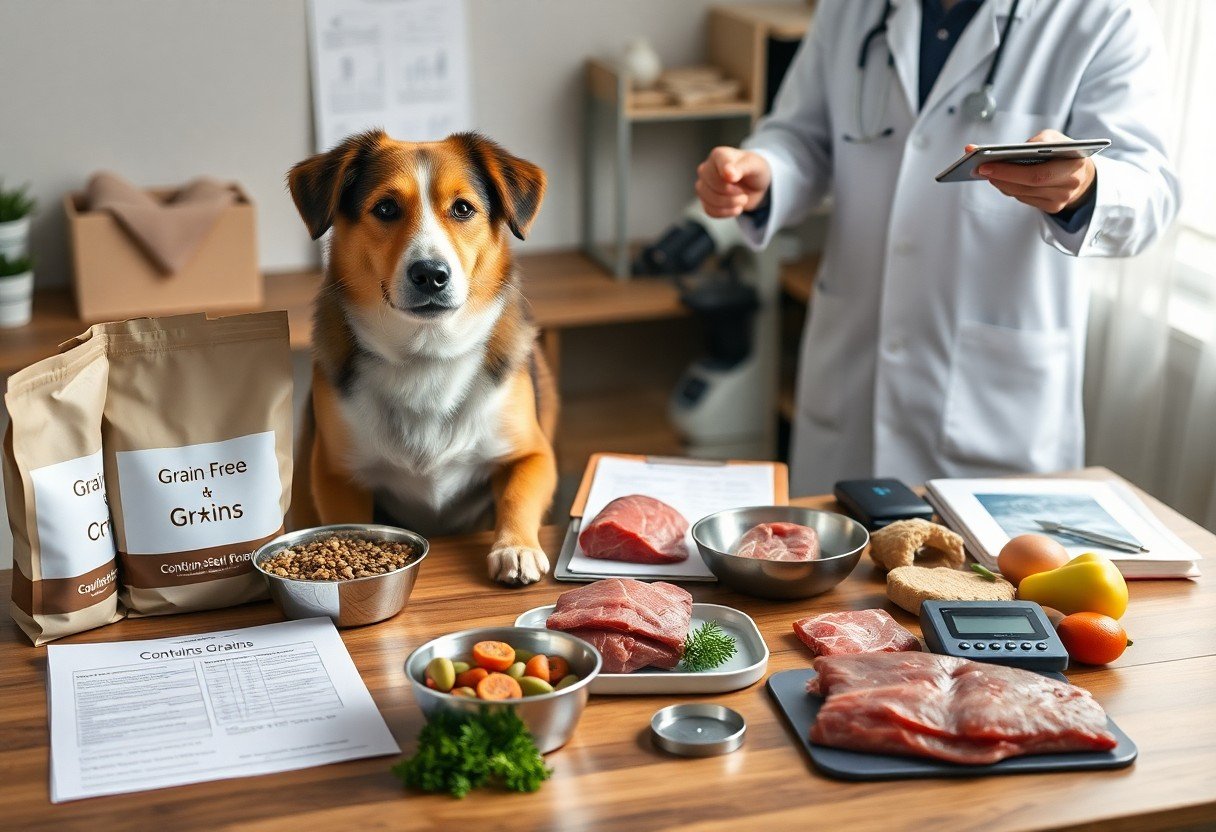
Grain-free dog food has become one of the most debated topics in pet nutrition. Many pet owners believe removing grains automatically makes a dog’s diet healthier, more natural, or easier to digest, while others worry about potential health risks linked to grain-free feeding. With pet food marketing often promoting grain-free formulas as premium or biologically appropriate, it can be difficult to separate scientific evidence from advertising claims.
Understanding what grain-free actually means is also important. A grain-free label does not mean carbohydrate-free or higher quality. In many cases, grains are replaced with ingredients such as peas, lentils, chickpeas, potatoes, or legumes to maintain texture and nutritional balance. This means the nutritional profile may change significantly, and the overall quality of a dog food depends far more on ingredient formulation, nutrient balance, and veterinary nutrition standards than on whether grains are present.
In this guide, we’ll examine what current science says about grain-free diets for dogs, the potential benefits and limitations, what research suggests about heart health concerns, common myths surrounding grains in pet food, and how to decide whether a grain-free diet makes sense for your dog’s age, breed, health condition, and nutritional needs.
The Myth of the Backyard Wolf

Dogs may share ancestry with wolves, but their digestive systems have evolved significantly over thousands of years of domestication. Feeding them as if they’re wild carnivores ignores the genetic adaptations that allow them to thrive on varied diets, including carbohydrates. Science shows modern dogs produce more amylase than wolves, helping them digest starches efficiently.
Marketing the Primal Fantasy
Brands often sell grain-free food by invoking images of wild wolves and raw, ancient diets. You’re shown rugged landscapes and primal instincts, as if your dog is one backyard away from the forest. This narrative sells emotion, not science.
What you see as “natural” is often a carefully crafted image designed to tap into your desire to feed your pet something pure. Yet, no evidence suggests dogs are healthier when fed like predators in the wild.
The Humanization of Pet Plates
Your dog’s bowl increasingly mirrors your own plate, driven by trends like clean eating and paleo diets. You may avoid grains for yourself and assume the same is better for your pet. This mindset shifts pet nutrition toward human dietary fads, not canine needs.
When you treat your dog’s meals like your own, you risk overlooking what their body actually requires. Dogs don’t crave quinoa or kale-those additions often serve your expectations, not their biology.
Choosing food based on human ideals means prioritizing perception over nutritional science. While it feels intuitive to feed your dog as you would yourself, their metabolism and digestive needs differ fundamentally. Grain-free doesn’t mean healthier, especially when substitutions like peas or lentils may carry their own risks, as recent studies on diet-related heart disease suggest.
The Biology of the Scavenger
Dogs are not pure carnivores, nor were their ancestors strictly meat-eaters. Over thousands of years, they evolved alongside humans, adapting to a diet rich in scraps, including starchy leftovers from agriculture. This shift from a purely predatory lifestyle to one of opportunistic feeding laid the foundation for significant digestive changes. You see evidence of this in their ability to thrive on varied diets, far beyond what wolves can tolerate.
Amylase and the Genetic Shift
One key adaptation lies in the AMY2B gene, responsible for producing amylase, the enzyme that breaks down starch. Unlike wolves, modern dogs carry multiple copies of this gene, allowing them to produce far more amylase in their pancreas. This genetic change didn’t happen by chance-it emerged as dogs lived near human settlements and consumed more carbohydrates. Your dog’s body is literally wired to handle starch in a way their wild cousins are not.
Starch Processing in the Modern Dog
Your dog digests cooked starch efficiently thanks to elevated amylase and other enzymes like MGAM and SGLT1 that help absorb glucose. Studies show domesticated dogs can break down starch up to 30 times more effectively than wolves. This isn’t a minor tweak-it’s a core metabolic upgrade shaped by co-evolution with humans.
Even today, most commercial dog foods include grains or other carbohydrate sources because they provide digestible energy. Avoiding all grains ignores the fact that your dog’s digestive system has adapted to use them. While some dogs benefit from grain-free diets due to allergies or sensitivities, the blanket assumption that grains are unnatural overlooks decades of biological evidence.
The FDA and the Heart of the Matter
Concerns about grain-free diets and canine heart health came into sharp focus when the U.S. Food and Drug Administration began investigating a potential link to dilated cardiomyopathy (DCM). You may have heard about this condition in relation to certain boutique or grain-free dog foods, especially those high in legumes. The FDA’s reports don’t claim causation, but they highlight a statistical association worth taking seriously.
Dilated Cardiomyopathy Investigations
Dilated cardiomyopathy was once rare in breeds not genetically predisposed to it. The FDA started collecting cases in 2014, noticing a rise in DCM diagnoses among dogs eating grain-free diets. Most of these diets contained high levels of peas, lentils, or potatoes. While research is ongoing, some dogs showed improvement after switching foods, suggesting a dietary influence.
The Legume Link
Legumes appear frequently in grain-free formulas as primary carbohydrate sources. These ingredients are rich in protein and fiber but may affect taurine metabolism in some dogs. Taurine deficiency has been tied to DCM, and certain legume-heavy diets seem to reduce taurine availability, even when levels in food appear adequate. Your dog’s ability to synthesize taurine may depend on more than just diet composition-it could hinge on individual biology.
Some dogs eating legume-rich diets develop low blood taurine levels, while others don’t, pointing to breed-specific sensitivities. Golden Retrievers, for example, appear overrepresented in FDA reports. This doesn’t mean legumes are inherently dangerous, but their role in heart health warrants caution. You should discuss taurine testing with your vet if your dog eats a grain-free, legume-heavy diet.
The Taurine Mystery

Concerns about grain-free diets and heart health in dogs often center on taurine, an amino acid crucial for cardiac function. While dogs can synthesize taurine from other amino acids, some grain-free formulations-particularly those high in legumes and potatoes-may interfere with this process. Research suggests certain ingredients alter gut microbiota or reduce precursor availability, potentially leading to deficiency. You can read more about this in the updated review titled Grain-Free Diets for Dogs and Cats: An Updated Review.
Essential Amino Acid Synthesis
Your dog’s body relies on adequate levels of methionine and cysteine to produce taurine naturally. Plant-based proteins common in grain-free diets often supply lower amounts of these precursors compared to animal proteins. This shift in protein sources may limit taurine production, especially in genetically predisposed breeds. Long-term feeding of unbalanced formulas could place extra strain on metabolic pathways.
Bioavailability in Processed Kibble
Processing methods like extrusion can degrade heat-sensitive amino acids, reducing their availability. Taurine and its precursors may be altered during high-temperature manufacturing, making them harder for your dog to absorb. Even if a food lists sufficient protein, the final nutrient delivery depends heavily on how it’s made.
High heat and pressure during kibble production affect protein structure, potentially diminishing amino acid efficiency. Ingredients like peas and lentils, frequently used in grain-free recipes, may also contain antinutrients that further hinder absorption. This means your dog might not get the full nutritional benefit, even from seemingly balanced formulas.
The Legume Paradox
Legumes like peas, lentils, and chickpeas have become common in grain-free dog foods as protein-rich substitutes. While they offer plant-based nutrition, recent research raises concerns about their role in canine dilated cardiomyopathy (DCM). A NEW STUDY ⚠️ Grain Free Dog Food & DCM Warning highlights a potential link between legume-heavy diets and heart issues in dogs, even in breeds not genetically predisposed to DCM.
Pulses as Protein Proxies
Pulses are often marketed as high-protein alternatives to grains, but their amino acid profiles don’t fully match what dogs need. You may assume a high legume content means more usable protein, but dogs require specific necessary amino acids like taurine, which pulses lack in sufficient amounts. Overreliance on these ingredients can lead to nutritional gaps, especially if animal proteins are reduced.
Anti-Nutrients in Grain Alternatives
Legumes contain compounds like lectins and phytates that can interfere with nutrient absorption. These anti-nutrients may reduce how well your dog absorbs minerals such as zinc, iron, and calcium. While cooking reduces some of these effects, they aren’t eliminated entirely, especially in highly processed kibble.
Phytates bind to minerals in the digestive tract, making them less available to your dog over time. Chronic exposure to high levels of anti-nutrients from grain-free formulas could contribute to subtle deficiencies, even if the food appears balanced on paper. This hidden impact is one reason why ingredient quality and bioavailability matter just as much as formulation.
Sifting Fact from Fiction
Many pet owners believe grain-free diets are inherently healthier, but science paints a more nuanced picture. Food allergies in dogs are relatively rare, and when they do occur, grains are seldom the culprit. Misinformation has fueled unnecessary dietary changes, often without veterinary guidance.
Real Allergy Statistics
Only about 10% of canine food allergies are linked to ingredients, and among those, beef, dairy, and chicken top the list. Grain allergies are even less common, affecting far less than 1% of dogs. You’re more likely to see reactions to animal proteins than to corn or rice.
Peer-Reviewed Evidence
Multiple studies have found no significant health advantage in grain-free diets for most dogs. In fact, research from the FDA has raised concerns about a potential link between grain-free formulations and dilated cardiomyopathy. Ingredients like legumes may affect heart function in susceptible breeds.
One analysis of peer-reviewed trials showed that dogs on balanced grain-inclusive diets performed just as well in digestion, energy, and coat health. Unless your dog has a diagnosed sensitivity, there’s little scientific justification for avoiding grains. The evidence simply doesn’t support widespread use of grain-free formulas for general health.
To wrap up
Summing up, a grain-free diet is not inherently better for your dog. Scientific evidence does not support widespread benefits for most dogs, and some grain-free formulations have been linked to heart issues like dilated cardiomyopathy. You should not assume grains are harmful-many dogs digest them well and benefit from their nutrients. If your dog has no diagnosed grain allergy, which is rare, switching to grain-free offers little advantage. Always consult your veterinarian before making major dietary changes. Your dog’s health depends on balanced nutrition, not marketing trends.