Raw Diet for Dogs – Benefits, Risks, and How to Start

Raw diets for dogs have become increasingly popular among pet owners who want a more natural approach to feeding. Supporters believe raw feeding can improve coat health, digestion, energy levels, and overall well-being by offering uncooked meat, bones, organs, and fresh ingredients closer to what dogs may have eaten in the wild.
However, raw feeding is also one of the most debated topics in pet nutrition, with veterinarians and experts raising concerns about food safety, nutritional balance, and potential health risks.
Before switching your dog to a raw diet, it is important to understand both the potential benefits and the drawbacks. In this guide, we’ll explore what a raw diet for dogs actually includes, the possible advantages and risks, food safety concerns, common mistakes beginners make, and practical steps to help you start a raw feeding plan safely and responsibly.
The Primal Call of the Bowl
Feeding your dog a raw diet taps into instincts older than domestication. Your dog’s ancestors thrived on whole prey-muscle meat, organs, bones, and connective tissue-without processed kibble or synthetic additives. You’re not just changing a meal; you’re answering a biological echo that still runs through your dog’s body.
This way of feeding aligns with natural digestion and nutrient absorption. Many pet owners notice changes within weeks-cleaner teeth, leaner muscle, and a renewed interest in mealtime. You’re offering more than food; you’re restoring a rhythm that modern diets often disrupt.
The Shine of the Coat
Healthy fats in raw diets, like those from raw eggs, fish, and unprocessed meats, often lead to a glossier, softer coat. You may find less shedding and reduced dry skin within a few weeks of the switch.
Your dog’s outer appearance reflects inner health. Omega-3 and omega-6 fatty acids in raw ingredients support skin integrity, giving that natural shine that’s hard to achieve with kibble alone.
Strength in the Bone
Raw bones, when fed safely, provide vital calcium and phosphorus in balanced ratios. You’re supporting skeletal health and jaw strength through natural, mechanical eating.
Chewing on raw meaty bones encourages proper dental wear and stimulates blood flow to the gums. This daily act does more than clean teeth-it reinforces structural wellness from the inside out.
Unlike synthetic supplements, the nutrients in raw bones are highly bioavailable. When you include items like chicken necks or turkey wings in rotation, your dog accesses minerals in the form nature intended-intact and unprocessed. This contributes to long-term joint resilience and bone density, especially important for growing puppies and senior dogs alike.
Vitality of the Spirit
Many owners report their dogs seem more alert and engaged after switching to raw. You might notice quicker reactions, more playful bursts, and a general liveliness that wasn’t there before.
Energy levels often stabilize without the blood sugar spikes caused by grain-heavy kibble. Your dog isn’t just eating; they’re thriving on fuel that matches their physiology.
Dogs on raw diets frequently display improved focus and calmer behavior. Without artificial fillers and high-glycemic carbs, their metabolism runs more efficiently, which can reduce irritability and restlessness. You’re not just feeding their body-you’re supporting a sharper, more balanced mind.
The Shadows in the Meat
Bacteria lurk in raw meat, even when sourced from reputable suppliers.
The Danger of Bacteria
You risk exposing your dog to pathogens like Salmonella, E. coli, and Listeria every time you serve a raw meal. These bacteria can make your pet seriously ill and may also spread to your family through contact with contaminated surfaces or feces. Healthy dogs may tolerate some exposure, but puppies, seniors, or immunocompromised pets face far greater danger.
The Imbalance of the Meal
Most homemade raw diets lack balance over time. You might include muscle meat, but forget necessary components like organ meat, bones, or proper calcium ratios. This leads to nutritional gaps or excesses that harm your dog’s long-term health-especially bone development and kidney function. Without careful planning, even well-intentioned meals do more harm than good.
Calcium and phosphorus must be in precise ratios for your dog’s skeletal health, yet many raw feeders rely solely on meat without adding ground bone or supplements. Too much muscle meat without organ variety can also create vitamin deficiencies, particularly in vitamins A, D, and B12. You need variety and precision-just like in human nutrition-to keep your dog thriving on a long-term raw diet.
Preparation of the Kill
Understanding how raw food is sourced and handled is imperative for your dog’s safety and nutrition. You’re responsible for selecting high-quality ingredients that minimize health risks while maximizing benefits. Always prioritize fresh, human-grade meats from trusted suppliers. For more insight into potential hazards and advantages, review Raw Dog Food: Dietary Concerns, Benefits, and Risks to stay informed.
Choosing the Source
Quality begins with where you buy your meat. Look for local farms or butchers that provide transparent sourcing and avoid feedlot-raised animals. Grass-fed, antibiotic-free, and hormone-free options support both your dog’s health and ethical farming practices.
Freezing meat for at least 72 hours at 0°F (-18°C) can reduce pathogen load. This step doesn’t replace safe handling but adds a layer of protection, especially when using poultry or pork.
The Transition Period
Switching to raw food should happen gradually to avoid digestive upset. Start by mixing 25% raw food with 75% of your dog’s current diet, increasing the raw portion every few days.
Monitor your dog’s stool, energy, and appetite closely. Some dogs adapt in a week; others may take several weeks. Patience ensures a smoother shift to this new feeding style.
Your dog’s gut microbiome needs time to adjust to raw proteins and fats. Abrupt changes can lead to diarrhea or vomiting, so a slow transition supports long-term success and digestive balance.
Raw Meaty Bones
Bones provide mental stimulation and support dental health when fed raw. Choose soft, meaty bones like chicken necks or turkey wings, which are less likely to splinter.
Never feed cooked bones-they can fracture and cause internal injuries. Always supervise your dog during bone-chewing sessions to prevent choking or tooth damage.
Raw meaty bones contribute imperative nutrients like calcium and phosphorus in a natural form. They also encourage natural chewing behavior, which helps reduce plaque buildup and supports jaw strength over time.
The Cost of the Hunt
Financial Reality
Raw feeding often demands a larger grocery budget than kibble. You’ll pay more per pound for quality meats, organs, and bones, especially if sourcing humanely raised or organic options.
Over time, these costs accumulate. While some owners offset expenses by buying in bulk or choosing less expensive proteins, the reality remains: feeding raw is typically more expensive than conventional dog food.
Time Spent at the Counter
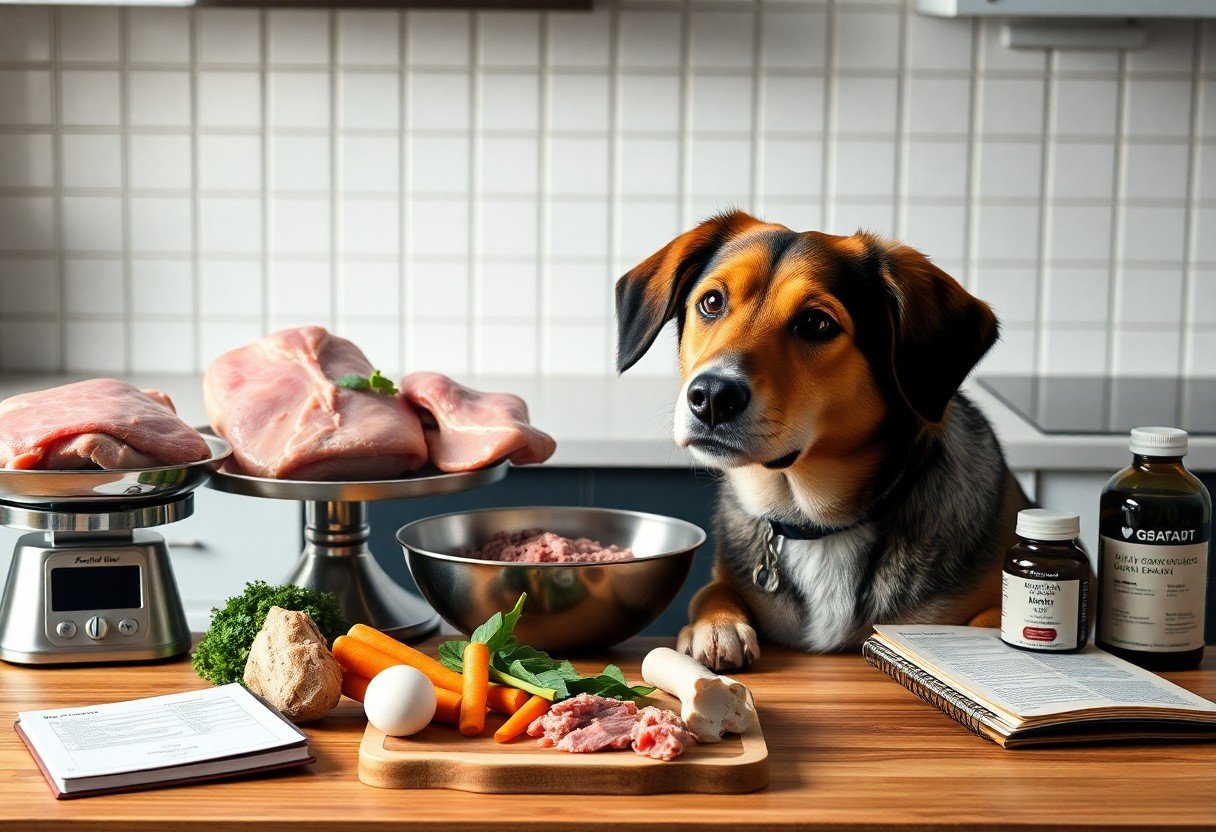
Shopping for raw ingredients takes longer than grabbing a bag of kibble. You’ll need to visit multiple stores or suppliers to source balanced components like muscle meat, bones, and organ meats.
Planning meals, checking expiration dates, and storing perishable items add extra steps to your routine. This hands-on approach means more time spent handling food, but it also gives you control over exactly what your dog eats.
Each trip to the butcher or specialty store becomes part of a deliberate process. You’re not just buying dog food-you’re assembling meals, weighing portions, and ensuring nutritional balance, which deepens your involvement in your dog’s health. This routine, while time-consuming, fosters a closer connection to what fuels your pet’s body.
Consultation with the Expert
You’ll want to connect with a veterinarian experienced in canine nutrition before switching your dog to a raw diet. A qualified professional can help assess whether raw feeding aligns with your pet’s age, breed, and health status. For insight into current veterinary opinions, review this resource on WHY IS RAW FOOD SO POPULAR?, which outlines common concerns and owner motivations.
The Vet’s Perspective
Your vet may raise concerns about bacterial contamination or nutritional imbalances in raw diets. Some support raw feeding under strict guidelines, while others advise caution due to risks like salmonella or bone fragments. Their input helps you weigh benefits against potential complications based on your dog’s medical history.
Regular Blood Work
Lab tests give clear insight into how your dog is responding to a raw diet. Monitoring organ function and nutrient levels ensures they’re getting what they need. Changes in liver, kidney, or red blood cell counts can signal the need for adjustments.
Blood work every six months helps catch subtle shifts before they become serious. This ongoing check confirms the diet supports long-term health and allows timely tweaks to ingredients or supplements.
Adjusting the Formula
Dogs’ needs change with age, activity, and health. You may need to modify protein sources, fat levels, or add supplements based on test results or physical condition. Flexibility keeps the diet effective and safe over time.
Small, gradual changes prevent digestive upset. Rotating proteins or adjusting bone content based on your dog’s response ensures balanced nutrition without overwhelming their system.
To wrap up
Following this guide, you now understand the benefits and risks of a raw diet for your dog. A well-balanced raw diet can improve coat health, digestion, and energy levels, but it requires careful planning to avoid nutritional imbalances and bacterial contamination. You must consult your veterinarian before making any dietary changes. If you choose to start, introduce raw food gradually and source ingredients carefully to ensure safety and quality. Your dog’s health depends on informed, responsible decisions.