How Much Should You Feed a Puppy by Age and Weight

Feeding a puppy the right amount is one of the most important parts of supporting healthy growth, energy, and development. But many new pet owners wonder: how much should you feed a puppy by age and weight? The answer depends on several factors, including breed size, activity level, growth stage, and the type of food you’re feeding.
Giving too little food can affect growth and nutrition, while overfeeding may contribute to unhealthy weight gain and digestive issues. In this guide, we’ll break down how much to feed a puppy based on age and weight, explain feeding schedules for different growth stages, and share tips to help your puppy stay healthy and properly nourished.
The Hunger of the Young
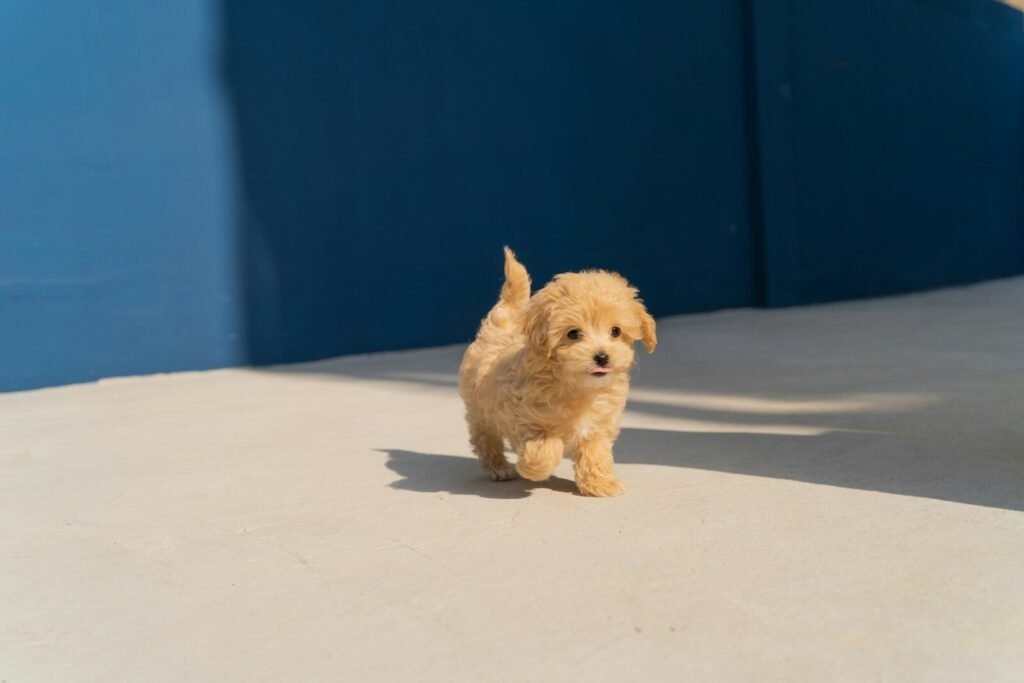
Understanding Growth Phases
Your puppy’s appetite shifts dramatically during the first year, driven by rapid physical development. Between 8 and 16 weeks, energy demands peak as bones lengthen, muscles form, and the brain matures. During this window, your puppy may seem constantly hungry-this is normal.
Their body is building the foundation for adulthood, and that requires fuel. Feeding three to four times daily supports steady energy and prevents blood sugar drops, especially in small breeds.
Portion Adjustments by Weight
A 10-pound puppy at 12 weeks needs more calories per pound than a 50-pound adolescent at six months. Small breeds grow quickly but reach maturity faster, so their peak intake occurs earlier. Large and giant breeds grow more slowly but require careful monitoring to avoid overfeeding, which can lead to joint issues.
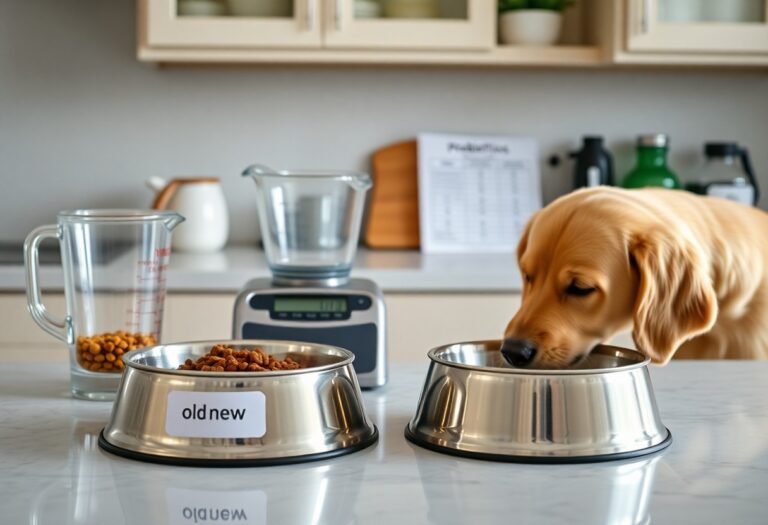
Use your puppy’s current weight and breed-specific growth charts to guide portions. Most high-quality puppy foods include feeding guidelines based on weight and age-treat these as starting points, then adjust based on your pup’s body condition and energy levels.
Signs You’re Meeting Their Needs
Your puppy should have a visible waist when viewed from above and you should be able to feel-but not prominently see-their ribs. Consistent energy, a shiny coat, and regular, well-formed stools indicate you’re on track. If your puppy is constantly begging after meals, gaining too much weight, or seems lethargic, reassess the amount and frequency of food. Puppies don’t always self-regulate, so your role in managing portions is key. Trust your observations more than a rigid schedule-every pup grows at their own pace.
Growth Stages and the Bowl
Neonatal to Weaning (0-8 Weeks)
Your puppy’s journey from milk to solid food begins in the first few weeks of life. Up to three weeks old, nursing is their sole source of nutrition, with mother’s milk providing all necessary antibodies and calories. Around four weeks, you can start introducing a high-quality puppy milk replacer if weaning early, but most breeders begin the transition to softened kibble between four and six weeks.
By eight weeks, most puppies are fully weaned and eating moistened puppy food several times a day. Portion size at this stage is small-usually a few tablespoons per meal-but consistency and frequency matter most for digestive development.
Junior Phase (8 Weeks-6 Months)
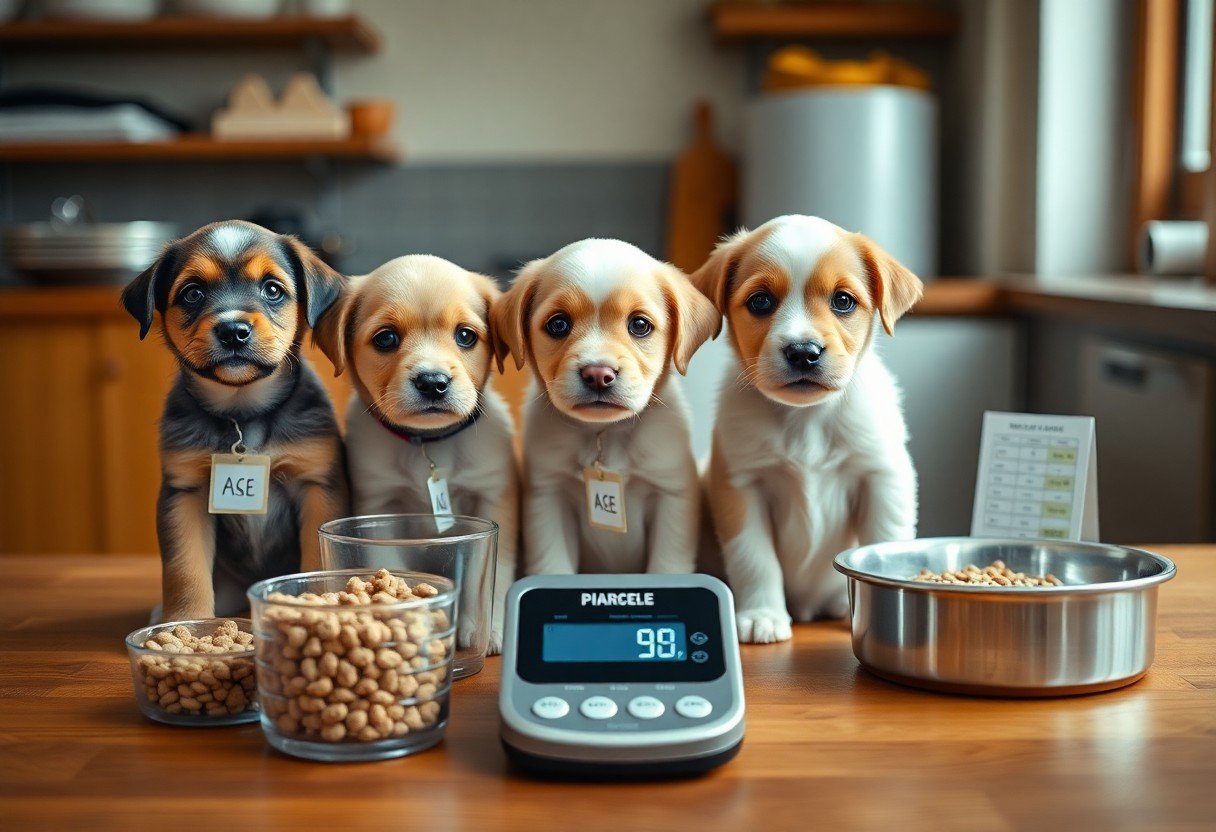
This is when your puppy grows the fastest, and their food intake needs to keep pace. From eight weeks to four months, feeding three to four measured meals daily supports steady energy and avoids blood sugar drops, especially in small breeds. Between four and six months, you can reduce to three meals a day as their stomach capacity increases.
The amount depends on breed and expected adult weight-tiny breeds may need 1/2 cup per day total, while large breeds could require up to 3 cups. Always follow feeding guidelines on your puppy food packaging as a starting point, then adjust based on body condition and vet input.
Adolescent Growth (6-12 Months)
Growth begins to slow around six months, but your puppy still needs nutrient-dense food to support developing muscles and bones. Most puppies transition to two meals a day between six and nine months. Small and toy breeds often reach adult size by ten months and can switch to adult food shortly after.
Medium and large breeds continue growing through their first year and may need puppy food until 12-14 months. Monitor your puppy’s body shape-ribs should be palpable under a thin layer of fat, and a visible waist when viewed from above. Adjust portions if they start looking too round or too lean.
Toward Adulthood (12+ Months)
Once your puppy hits one year, their feeding needs shift significantly. Small breeds are typically considered adults by 12 months and benefit from a switch to adult-formulated food to avoid excess calorie intake. Large and giant breeds, however, are still growing and often need puppy food until 18-24 months to support proper skeletal development.
Continue feeding two meals a day to prevent bloat, especially in deep-chested dogs. Use weight, activity level, and body condition-not age alone-as your guide for portion adjustments. Regular vet checkups help confirm you’re on the right track.
The Weight of the Beast

Understanding Growth Patterns
Your puppy’s weight isn’t just a number on the scale-it’s a window into their development. Puppies grow at different rates depending on breed, genetics, and individual metabolism. Small breeds may gain just a few ounces per week, while large and giant breeds can add several pounds in the same timeframe.
Monitoring weekly weight gain helps you spot trends and adjust food portions before overfeeding or underfeeding becomes an issue. Your vet likely tracks this during checkups, but keeping a home log gives you real-time insight.
Portion Adjustments by Weight Milestones
Every time your puppy hits a new weight milestone, their caloric needs shift. A 10-pound puppy eats differently than a 15-pound version of the same dog just weeks later. Most high-quality puppy foods include feeding charts based on weight and expected adult size.
Use these as starting points, then fine-tune based on your pup’s energy level, body condition, and stool quality. If your puppy is gaining too fast or seems constantly hungry, reassess the amount-not the frequency-of meals.
Body Condition Over the Scale
The number on the scale matters, but how your puppy looks and feels matters more. You should be able to feel their ribs with light pressure but not see them prominently. A visible waist when viewed from above and a tucked abdomen from the side are signs of a healthy weight.
Puppies with round, barrel-shaped bodies or no waistline are likely getting too much food. Adjust portions downward in small increments and reevaluate after a week. Consistency in assessment keeps growth on track without drastic changes.
Large Breeds Need Special Attention
Big dogs grow slower and face unique joint and bone development challenges. Rapid weight gain in large breed puppies increases the risk of developmental orthopedic diseases like hip dysplasia. These pups need balanced nutrition with controlled calcium and calorie levels, not just more food. Feeding a large-breed-specific formula helps regulate growth speed. Your goal isn’t to maximize size, but to support steady, controlled development that supports long-term health.
Signs of a Full Belly
Understanding Your Puppy’s Satiety Cues
You can often tell when your puppy has had enough to eat by observing their behavior after meals. A satisfied pup may walk away from their bowl, lose interest in food, or begin grooming themselves. These are natural signals that their hunger has been met and they’re content. Paying attention to these subtle actions helps you avoid overfeeding and supports healthy digestion.
Physical Indicators of Proper Feeding
Your puppy’s body shape offers clear feedback on whether their portions are on track. A well-fed puppy will have a gently tucked abdomen when viewed from the side, and you should be able to feel their ribs without pressing too hard, but not see them prominently. This balance indicates they’re receiving the right amount of nutrition for their age and size.
Behavior After Eating Matters
After a proper meal, your puppy might seek a quiet spot to rest or engage in light play, both of which suggest comfort and satisfaction. If they’re restless, whining, or pacing near their bowl, they may still be hungry-or possibly eating too quickly. On the flip side, vomiting shortly after eating or consistently leaving food behind could point to overfeeding or an underlying issue worth discussing with your vet.
Consistency in Bowel Movements
Healthy digestion is one of the best signs your feeding routine is working. Your puppy should produce firm, well-formed stools once or twice a day. Loose stools or excessive gas can indicate they’re getting too much food or the wrong type. Monitoring bathroom habits gives you real-time insight into how their body is responding to their current diet and portion size.
Conclusion
Now you know how much to feed your puppy based on age and weight. Puppies need consistent, portion-controlled meals that match their growth stage and breed size. Overfeeding can lead to health issues, while underfeeding may stunt development. Follow feeding charts from trusted sources and adjust based on your puppy’s energy, body condition, and vet advice. Monitoring their growth helps ensure they stay healthy.