Dog Food Ingredients to Avoid – A Vet-Informed Breakdown

Choosing the right dog food goes beyond reading the brand name on the package — understanding the ingredient list matters just as much. While many ingredients used in commercial dog food are safe, some may offer little nutritional value, trigger sensitivities in certain dogs, or raise concerns when included in excessive amounts. Knowing what to look out for can help you make better feeding decisions for your pet.
A vet-informed approach to dog food ingredients focuses on nutritional quality, ingredient purpose, and your dog’s individual needs rather than fear-driven claims or marketing buzzwords. In this guide, we’ll break down common dog food ingredients owners often question, explain which ones may be worth limiting or avoiding, and help you understand how to read pet food labels with confidence.
The Chemical Preservative Threat
Synthetic Preservatives in Pet Food
You’ve likely seen ingredients like BHA, BHT, and ethoxyquin listed on dog food labels, often tucked near the end of the ingredient panel. These synthetic compounds are added to prevent fats from going rancid, extending shelf life at a low cost.
While that may sound practical from a manufacturing standpoint, long-term exposure raises health concerns. Studies in laboratory animals have linked BHA and BHT to potential tumor formation, and ethoxyquin-originally developed as a rubber stabilizer-has been restricted in human food for decades. Regulatory bodies like the European Union have banned ethoxyquin in pet food altogether due to safety questions.
Why Natural Alternatives Are Safer
Your dog doesn’t need lab-made chemicals to stay healthy. Natural preservatives like mixed tocopherols (a form of vitamin E), citric acid, and rosemary extract effectively prevent spoilage without the same risk profile. These ingredients work by neutralising free radicals that degrade fats, offering protection without introducing potentially harmful residues. Pet food brands using these alternatives may have shorter shelf lives, but that trade-off supports long-term wellness. You’re not just feeding your dog a meal-you’re shaping their cellular health with every bite.
How to Spot Hidden Chemicals on Labels
Manufacturers don’t always make it easy to identify synthetic preservatives. Some list them under vague terms like “preserved with antioxidants” without specifying the source. Always read the full ingredient list and look for the exact names: butylated hydroxyanisole (BHA), butylated hydroxytoluene (BHT), and ethoxyquin.
If you see these, consider choosing a different formula. A clean label with transparent sourcing reflects a brand’s commitment to safety, not just convenience. Your dog’s liver processes everything they eat-reducing unnecessary chemical exposure supports organ function and overall vitality.
Artificial Colors and Flavors
Why Synthetic Additives Serve No Nutritional Purpose
You won’t find artificial colors in whole foods, and your dog doesn’t need them in their kibble either. These lab-made dyes-like Red 40, Yellow 5, and Blue 2-are added purely for human appeal, making the food look more appetising on the shelf. Dogs don’t judge meals by appearance, so these additives bring zero health benefits. In fact, some studies in animals suggest a potential link between certain synthetic colors and behavioral changes or allergic reactions.
The Hidden Risks of Lab-Made Flavors
Artificial flavors are engineered to mimic real ingredients like chicken or beef, but they contain no actual nutrition. Your dog might be drawn to the scent, but these chemical compounds exist only to enhance palatability for picky eaters. Some pets develop sensitivities over time, leading to skin irritation or digestive upset. Since these substances aren’t crucial, choosing a formula without them reduces unnecessary exposure to unneeded chemicals.
How to Spot These Additives on Labels
Check the ingredient list for terms like “artificial color,” “FD&C” followed by a number, or “artificial flavor.” Manufacturers are required to list these, so transparency is possible if you know what to look for. Opt for dog foods that use natural sources for color, such as beet pulp or turmeric, and rely on real meat for flavor. Your dog’s long-term health benefits more from clean, recognizable ingredients than from anything synthesized in a lab.
Low-Quality Protein Fillers
What Are Protein Fillers?
You’ve likely seen terms like “meat by-products” or “poultry meal” on dog food labels, but not all of these ingredients deliver meaningful nutrition. Protein fillers are low-grade sources added primarily to boost the protein percentage on the label without offering the amino acid profile your dog actually needs.
These ingredients often come from parts of animals that are less digestible or nutritionally incomplete, such as feathers, beaks, or tendons. While some by-products can be nutritious, many commercial formulas rely on the cheapest available sources, which do little to support muscle maintenance or overall health.
Why They Fall Short
Your dog’s body can’t build tissue or repair cells with incomplete proteins. Fillers may inflate the crude protein number on the packaging, but they lack imperative amino acids like taurine and lysine that are abundant in quality animal proteins. When your pet consumes food high in these subpar ingredients, they’re forced to process more volume to extract the nutrients they need, which can strain the kidneys over time. You’re not just paying for empty calories-you’re potentially compromising long-term wellness with every meal.
How to Spot Them on Labels
Check the ingredient list for vague terms like “animal meal,” “meat and bone meal,” or “hydrolyzed protein” without a specific source. These are red flags for low-quality fillers. Real, named proteins-such as “chicken,” “beef,” or “salmon”-should appear early in the list, ideally in the first three spots.
If you see multiple grain-based proteins like corn gluten meal or soy protein isolate listed before the animal source, that’s another sign the formula prioritizes cost over canine biology. Your dog thrives on clarity and quality, not marketing tricks disguised as nutrition.
Sweeteners and Sugar Substitutes

Why Artificial Sweeteners Have No Place in Your Dog’s Bowl
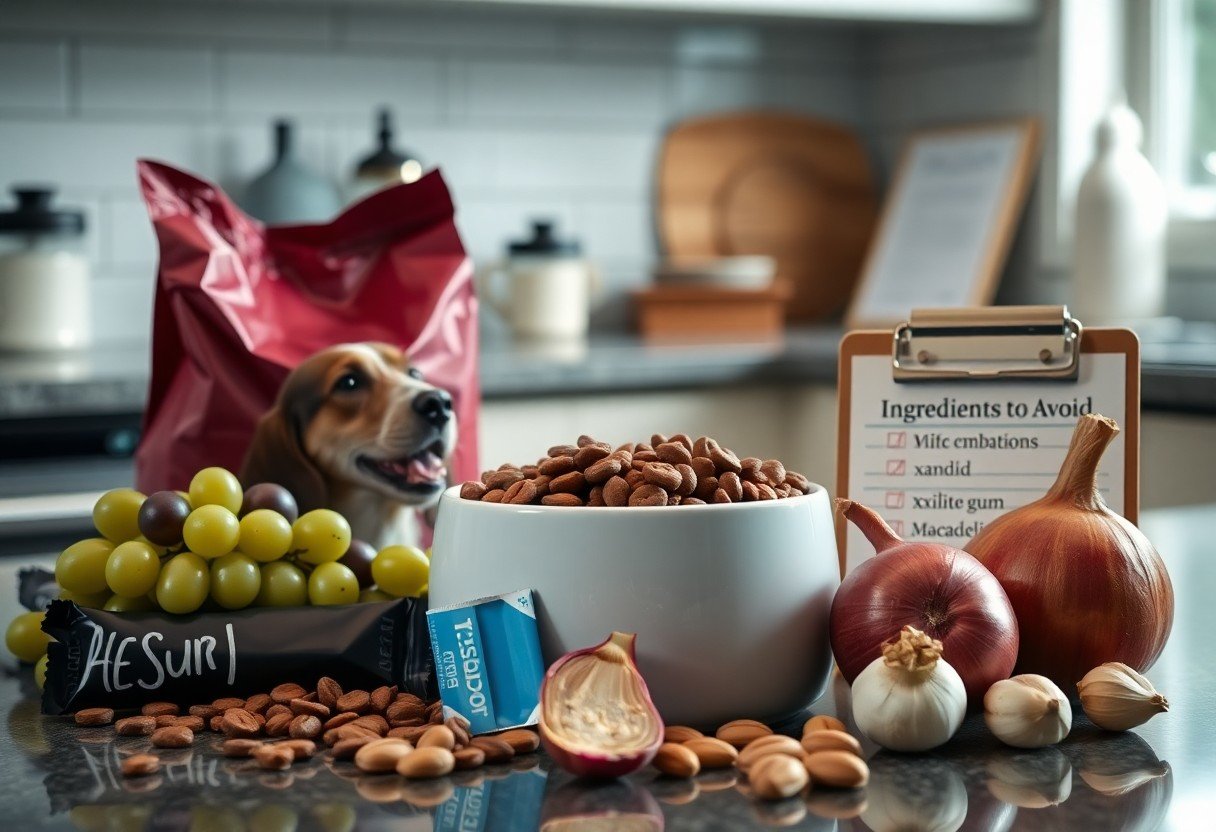
You might not think your dog’s food contains added sugars, but sweeteners-both natural and artificial-show up more often than you’d expect. Xylitol, a common sugar substitute found in sugar-free gum, baked goods, and even some peanut butters, is extremely toxic to dogs.
Even small amounts can trigger a rapid release of insulin, leading to hypoglycemia, seizures, or liver failure. Always check ingredient lists for this dangerous additive, especially in “low-calorie” or “sugar-free” labeled products marketed for pets or human foods you might share.
Hidden Sugars and Their Long-Term Impact
Some manufacturers use alternative names for sugar to make ingredients seem less concerning. Terms like molasses, cane syrup, brown rice syrup, or fructose may appear harmless but still contribute to weight gain, dental issues, and insulin resistance over time.
While dogs don’t process sugar the same way humans do, consistent exposure increases their risk for obesity and diabetes. You’re better off choosing foods that rely on whole ingredients for flavor instead of masking poor quality with sweetness.
Reading Labels with Confidence
Pet food labels can be confusing for clients and even more frustrating to explain, especially when sweeteners hide behind technical-sounding names. Learning to spot these terms empowers you to make informed choices without relying on marketing claims. Look beyond front-of-bag promises and focus on the ingredient list-shorter is often better, and real meat, vegetables, and healthy fats should dominate, not sweetening agents.
Grains and Heavy Carbohydrates
The Hidden Impact of Excess Carbs
You might not realize how much grain-based filler ends up in your dog’s bowl. Many commercial dog foods rely heavily on corn, wheat, and soy not because dogs need them, but because they’re inexpensive sources of bulk. While small amounts of certain grains aren’t inherently harmful, overreliance on these ingredients can displace more biologically appropriate proteins and fats in your dog’s diet. Dogs are primarily carnivorous by nature, and their digestive systems aren’t optimized to process large volumes of carbohydrates efficiently.
Why Grain-Free Doesn’t Always Mean Better
Grain-free formulas have gained popularity, but removing grains doesn’t automatically make a food healthier. Some brands replace grains with high-glycemic substitutes like potatoes, tapioca, or legumes, which can spike blood sugar and contribute to weight gain over time.
In some cases, excessive legume content has been linked to an increased risk of dilated cardiomyopathy (DCM), a serious heart condition observed in certain dogs. You should read labels carefully-just because a bag says “grain-free” doesn’t mean it’s low in carbohydrates or better suited to your dog’s nutritional needs.
Recognizing Quality Carbohydrate Sources
Not all carbs are problematic. Some whole food sources like sweet potatoes, pumpkin, or oats can provide fiber and slow-release energy when used in moderation. The key is balance. You want to see these ingredients listed further down the ingredient panel, not among the first three or four.
When carbohydrates dominate the formulation, your dog gets fewer nutrients from animal-based proteins and healthy fats-components crucial for muscle maintenance, skin health, and overall vitality. Your dog’s ideal diet should reflect their natural metabolic needs, not the cost-saving strategies of pet food manufacturers.
Summing up
Following this vet-informed breakdown, you now know which ingredients to watch for in your dog’s food. Artificial preservatives like BHA and BHT, meat by-products with unclear sources, and excessive fillers such as corn and soy offer little nutritional value and may harm your pet’s long-term health.
You hold the power to make informed choices by reading labels carefully and prioritizing whole, recognizable ingredients. Your dog’s diet directly impacts their energy, coat quality, and overall well-being-choosing wisely supports a longer, healthier life.