How to Switch Dog Food Without Upsetting Their Stomach

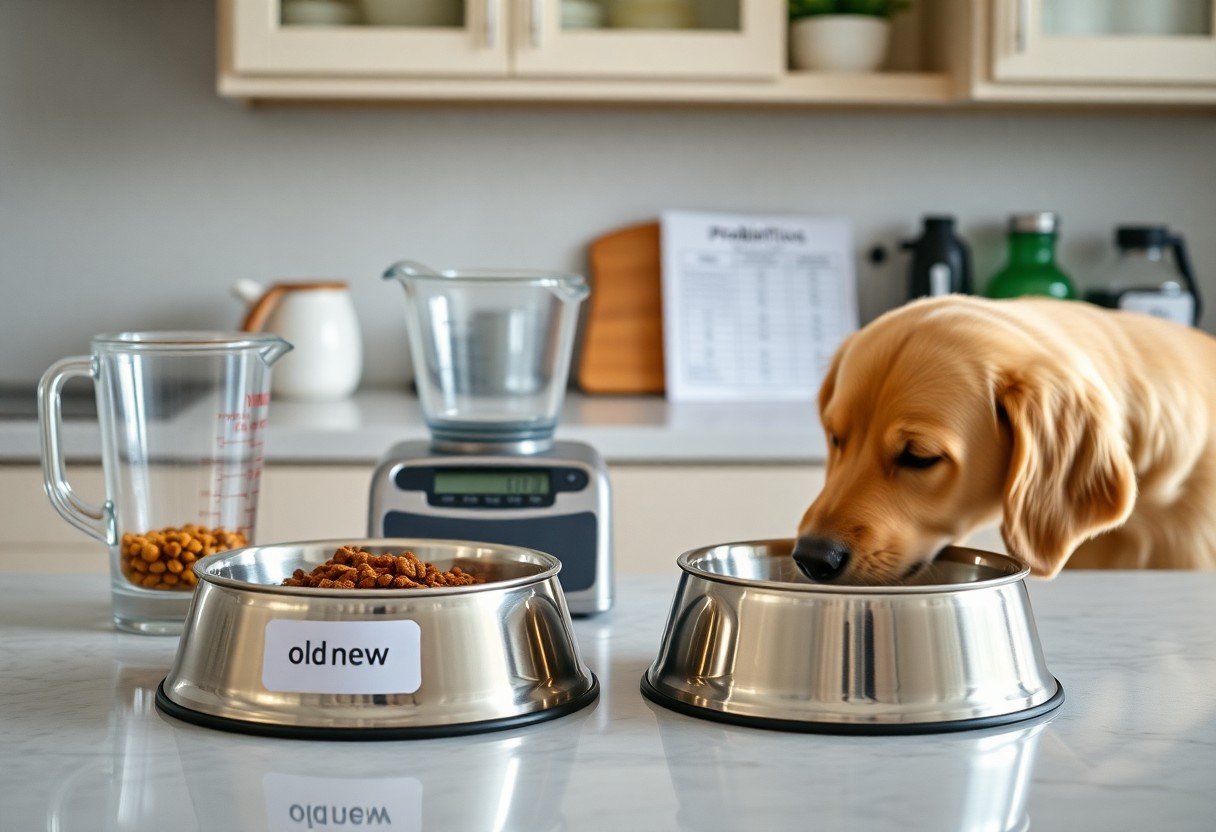
Switching your dog’s food may seem simple, but changing diets too quickly can lead to stomach upset, diarrhea, vomiting, gas, or refusal to eat. Whether you’re changing brands, moving to a new life stage formula, addressing allergies, or improving nutrition, transitioning food gradually helps your dog adjust more comfortably and reduces digestive stress.
The key to switching dog food without upsetting your dog’s stomach is following a slow and balanced transition plan rather than making a sudden change. In this guide, you’ll learn how to safely introduce new food, how long the transition should take, signs that the switch may not be going well, and when digestive issues may need veterinary attention.
Signs of a Rebellious Belly
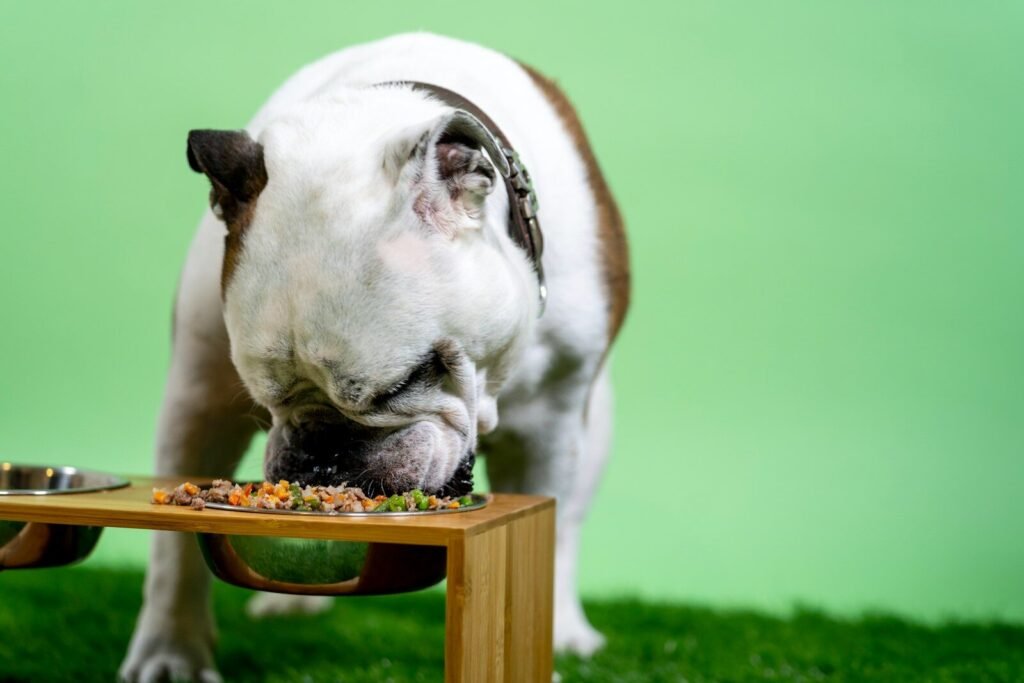
Watch your dog closely when transitioning foods, as their digestive system will signal discomfort early. If you notice changes in stool consistency, increased gas, or accidents indoors, their gut may be struggling with the new diet. For more guidance on a smooth switch, check out What’s the Best Way to Change Your Dog’s Food? to align your approach with expert insights.
Watching for the Loose Caboose
Diarrhea is one of the clearest signs your dog isn’t tolerating the new food. Even a single loose stool warrants attention, especially if it persists beyond a day. Keep a log of bowel movements during the transition to spot patterns quickly.
Sudden urgency or straining can also point to digestive upset. If your dog seems uncomfortable or is frequently asking to go out, slow down the food switch and let their system catch up.
Identifying Lethargy and Lack of Zest
Energy levels often dip when a dog’s stomach is out of sorts. If your pup skips playtime, sleeps more than usual, or shows little interest in walks, it could be linked to their diet change.
Appetite shifts often accompany low energy. A dog that normally devours meals but now turns away may be feeling unwell internally.
Lethargy isn’t always about physical fatigue-it can reflect digestive distress or nutrient imbalance. When your dog seems off their game, consider the timing of their last food change. A temporary return to the old kibble may help reset their system before trying again more gradually.
The Art of the Slow Pour
Why Speed is the Enemy of Digestion
Dogs thrive on routine, and their digestive systems are sensitive to abrupt changes. Introducing a new food too quickly can overwhelm gut bacteria, leading to diarrhea, gas, or vomiting. Your dog’s stomach needs time to adjust enzyme production and microbial balance. Mixing small amounts of the new food with the old one allows this transition to happen smoothly.
Patience as a Virtue for Pet Owners
Change rarely happens overnight, and switching dog food is no exception. Rushing the process may save a few days, but it risks days of discomfort for your dog. Stick to a consistent schedule, increasing the new food by no more than 25% every few days. Your calm, steady approach supports better long-term results.
Watching your dog closely during the transition gives you real-time feedback on how well they’re adapting. If they skip a meal or show mild soft stool, pause the progression for a day or two. This isn’t a setback-it’s smart stewardship. You’re not just changing kibble; you’re honoring your dog’s unique biology with care and attention.
Natural Remedies for a Grumbling Gut
When your dog’s digestion acts up during a food transition, natural remedies can offer gentle relief. These time-tested solutions support gut balance without harsh chemicals, helping your pet adjust with minimal discomfort. You likely already have some of these soothing aids in your kitchen or can find them easily at a pet store.
The Magic of Canned Pumpkin
Pumpkin is rich in soluble fiber, which helps regulate your dog’s digestion during dietary changes. A spoonful mixed into their meal can ease both diarrhea and mild constipation. Make sure you’re using plain canned pumpkin, not pumpkin pie filling, which contains sugars and spices unsafe for dogs.
Plain Rice as a Peacemaker
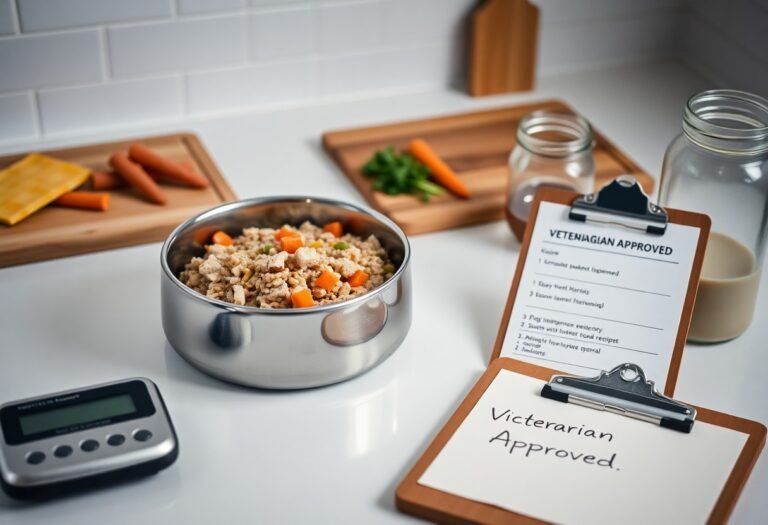
Rice provides a bland, easily digestible base that gives your dog’s gut a chance to rest. Combined with boiled chicken, it forms a gentle meal that soothes irritation and firms up loose stools. This simple combo is especially helpful during the first few days of a food switch.
White rice is preferred over brown during sensitive periods because it’s lower in fiber and less likely to overstimulate the digestive tract. Its neutral flavor and soft texture make it appealing even when your dog’s appetite is low, helping maintain nutrition without adding stress to their system.
The Calming Effect of Probiotics
Probiotics introduce beneficial bacteria that support a balanced gut microbiome, especially during dietary shifts. These good microbes help break down food and discourage the growth of harmful bacteria that can cause gas and discomfort. You can find dog-specific probiotic supplements in powders, chews, or added to certain foods.
Consistent use during a food transition can reduce the duration and severity of digestive upset. Look for products containing strains like *Lactobacillus* or *Bifidobacterium*, which are well-researched for canine digestive health. Over time, they help your dog adapt more smoothly to their new diet.
Common Pitfalls of the Impatient Master
Sudden Swaps and Their Consequences
Many dog owners switch foods overnight, thinking their pet will adapt quickly. Your dog’s digestive system disagrees. A sudden change disrupts the balance of gut bacteria, often leading to diarrhea, vomiting, or excessive gas. Your pup doesn’t need a culinary shock-they need consistency and time.
Trusting Labels Over Common Sense
Marketing claims like “grain-free” or “premium” don’t guarantee suitability for your dog. You might assume a flashy label means better health, but ingredients matter more than buzzwords. Some labeled “healthy” foods contain fillers or proteins your dog has never eaten, increasing the risk of stomach upset.
Just because a bag says “natural” doesn’t mean it’s right for your dog’s current digestion. Your pet’s history, breed, and sensitivities should guide the choice-not a slogan. Always cross-check ingredient lists with your vet, especially when introducing novel proteins or formulas.
Consulting the Local Horse Doctor
Is it true you have to transition dog food when you change brands or formulas? Many dog owners ask this, and the answer often depends on your pet’s digestive sensitivity. While some dogs adapt quickly, others need a gradual shift to avoid discomfort.
When Professional Wisdom is Required
Your veterinarian is your best resource when switching your dog’s diet, especially if they have a history of stomach issues. A sudden change can trigger vomiting or diarrhea, and only a professional can determine if your dog needs a tailored transition plan. Trust their guidance over generic advice.
Chronic Ailments Versus Simple Indigestion
Chronic conditions like inflammatory bowel disease or food allergies require careful dietary management. Unlike simple indigestion, which resolves in a day or two, persistent symptoms demand veterinary evaluation. Watch for recurring diarrhea, weight loss, or lethargy-they’re red flags.
Chronic digestive problems often mimic temporary upset stomachs, but they won’t improve with a return to old food. If your dog shows ongoing discomfort after a diet change, it’s not just a phase. A proper diagnosis ensures your pet gets the right long-term solution.
Summing up
Upon reflecting on how to switch dog food without upsetting their stomach, you recognize that gradual change is your most effective tool. Start by mixing a small amount of the new food with the current one, increasing the proportion over 7 to 10 days. This slow transition supports your dog’s digestive system and reduces the risk of diarrhea or vomiting. You know your dog best-monitor their energy, stool, and appetite closely. If discomfort occurs, slow the process or consult your veterinarian. A thoughtful approach ensures your dog adapts smoothly and stays healthy.