
How to Help Your Overweight Dog Lose Weight Safely

Canine obesity is a growing health concern that affects millions of dogs worldwide. Excess weight can increase the risk of serious health problems, including diabetes, arthritis, heart disease, breathing difficulties, and reduced life expectancy.
While helping an overweight dog lose weight is important, rapid weight loss or overly restrictive diets can do more harm than good. A safe and gradual approach is the key to long-term success.
Successful weight management involves more than simply feeding less food. It requires the right balance of nutrition, portion control, physical activity, and consistent monitoring. In this guide, you’ll learn how to help your overweight dog lose weight safely, avoid common mistakes, create a realistic weight-loss plan, and support your dog’s journey toward a healthier and more active life.
Implementing Safe Exercise and Activity Tips

Exercise plays a central role in helping your overweight dog shed excess pounds while supporting joint health and cardiovascular function. Start with activities tailored to your dog’s current fitness level, especially if they’ve led a sedentary life. Short, consistent sessions are more effective and safer than sporadic, intense workouts. Always consult your veterinarian before beginning any new exercise plan, particularly for dogs with pre-existing conditions.
- Begin with 5- to 10-minute walks once or twice daily, gradually increasing duration and frequency.
- Choose flat, even surfaces to reduce strain on joints.
- Monitor your dog for signs of fatigue, such as lagging behind, excessive panting, or reluctance to continue.
- Use a harness instead of a collar to reduce pressure on the neck and trachea.
- Stay hydrated and avoid exercising during peak heat hours.
The foundation of safe weight loss lies in consistency, patience, and close observation of your dog’s physical responses.
How-to introduce low-impact activities for senior or obese dogs
Water provides natural resistance and buoyancy, making swimming an excellent option for dogs carrying extra weight or those with arthritis. Many veterinary rehabilitation centers offer hydrotherapy pools designed specifically for canine use. This form of exercise reduces joint stress while still building muscle and burning calories.
Short leash walks on soft terrain like grass or dirt paths can ease pressure on sore joints. Try breaking longer walks into multiple mini-sessions throughout the day to prevent overexertion. Gentle indoor movements, such as encouraging your dog to follow you from room to room, also contribute to daily activity.
Assume that even small movements count when building endurance in an overweight or aging dog.
Increasing daily movement through interactive play
Simple games like hide-and-seek with treats or toys stimulate both the body and mind. Encourage your dog to sniff out hidden rewards, which promotes movement without high-impact strain. Puzzle toys that require pushing, nudging, or rolling can keep your dog engaged for extended periods.
Using a flirt pole with a soft toy on a string mimics prey-chasing behavior and encourages bursts of movement. For less mobile dogs, dangle the toy just within reach to prompt stretching or standing. Rotate toys regularly to maintain interest and prevent boredom.
Even brief play sessions of five minutes, repeated several times a day, add up to meaningful activity over time.
Interactive play doesn’t need to be intense to be effective-slow, sustained engagement helps build stamina and supports weight loss goals without overwhelming your dog.
Tips for structured walking routines and duration
Consistency in timing helps regulate your dog’s metabolism and energy levels throughout the day. Aim for daily walks at the same times to establish a predictable rhythm. Begin with manageable distances and focus on steady pacing rather than speed.
As your dog gains strength, slowly extend walks by one or two minutes every few days. Watch for improvements in stamina, such as walking more confidently or showing less fatigue. Pair walking with positive reinforcement like verbal praise or small, healthy treats.
Track progress using a journal or app to note duration, behavior, and any challenges encountered.
- Walk at a pace where your dog can breathe comfortably and maintain focus.
- Use a comfortable, well-fitted harness to support proper posture.
- Change routes occasionally to keep walks mentally stimulating.
- Allow brief sniffing breaks-these are part of natural movement and enrichment.
- Avoid forcing your dog to continue if they show signs of discomfort.
The key to lasting results is gradual progression and attentive monitoring.
Behavioral Tips for Managing Hunger and Begging
- Stick to a consistent feeding schedule to regulate your dog’s metabolism and reduce unpredictable hunger cues.
- Train your dog to wait patiently during meal prep instead of rewarding begging with attention or food scraps.
- Redirect attention-seeking behaviors with toys or short training sessions to reinforce positive alternatives.
- Involve all family members in the plan so no one accidentally undermines progress with secret treats.
- Assume that consistency over time will reshape your dog’s expectations around food.
Replacing high-calorie treats with healthy alternatives
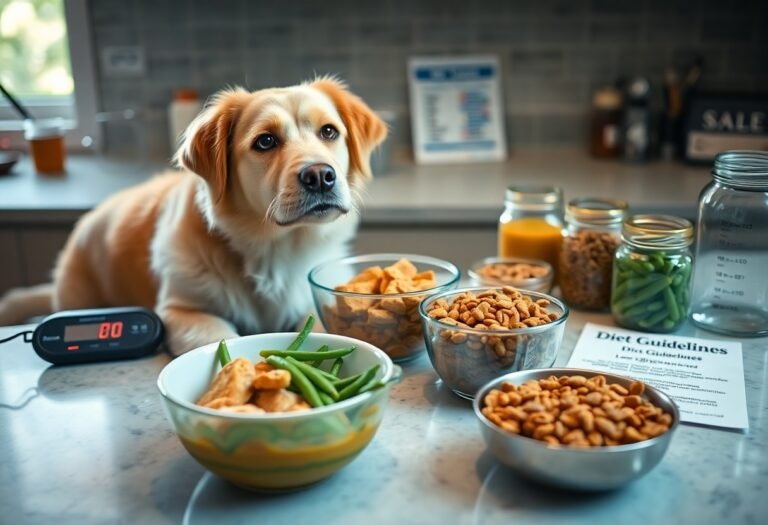
Small pieces of carrot, green beans, or apple slices offer satisfying crunch without the extra calories found in commercial treats. These natural options support dental health and digestion while keeping your dog engaged during training. You’ll notice your dog responds just as eagerly when the reward feels special, even if it’s low in fat.
Frozen blueberries or plain cooked pumpkin can add variety and help manage portion control during snack times. Dogs often enjoy the texture change, which makes these treats feel like a luxury. Over time, your pet will associate healthy foods with positive reinforcement, reducing their fixation on richer options.
Choosing nutrient-dense, low-calorie alternatives doesn’t mean sacrificing motivation during training. Assume that your dog’s enthusiasm comes from your attention as much as the treat itself.
Using slow feeders and puzzle toys to increase satiety
Slow feeders extend mealtime by requiring your dog to work for each bite, which supports better digestion and reduces the risk of bloat. These tools mimic natural foraging behaviors, keeping your dog mentally engaged during eating. The added effort helps signal fullness to the brain, even with smaller portions.
Puzzle toys dispense kibble gradually when nudged or rolled, turning meals into interactive challenges. This mental stimulation can reduce anxiety and prevent the obsessive food-seeking that often follows regular bowl feeding. Dogs begin to associate satisfaction with effort, not just volume.
Introducing these tools gradually ensures your dog adapts without frustration. Assume that your dog’s relationship with food can evolve to include patience and problem-solving.
Many dogs eat so quickly that their bodies don’t have time to register fullness, leading to persistent hunger signals. Slow feeders and puzzle toys address this by extending eating duration, allowing hormonal cues to catch up with consumption.
These tools also reduce boredom, a common trigger for begging, by providing mental engagement during mealtimes. Over weeks, dogs often show decreased interest in scavenging or nudging for food because their cognitive needs are being met alongside their nutritional ones.
Monitoring Progress and Adjusting the Routine

Consistency in tracking your dog’s weight loss journey ensures the plan remains effective and safe. Weekly weigh-ins provide measurable insight into whether the current diet and exercise routine are producing results.
Small, steady weight loss-typically 1-2% of body weight per week-is ideal and indicates a healthy pace. If the scale isn’t moving or your dog is losing too quickly, it’s time to reevaluate the approach. Adjustments may include portion sizes, treat allowances, or activity levels, all tailored to your dog’s metabolism and breed-specific needs.
Factors to track during weekly weigh-ins
Weight alone doesn’t tell the whole story. Alongside the number on the scale, monitor your dog’s energy levels, coat condition, appetite, and willingness to exercise. Take note of any changes in bathroom habits or signs of discomfort during activity. Use a consistent time and scale for weigh-ins-preferably in the morning before meals-to reduce variability.
- Current weight compared to baseline
- Body condition score (rib coverage, waistline)
- Daily food intake and treat consumption
- Exercise duration and intensity
- Behavioral changes like lethargy or irritability
Any deviation from expected progress could signal the need for a closer look at your strategy.
When to consult a veterinarian for program adjustments
Plateaus lasting more than three weeks may indicate your dog’s body has adapted to the current routine. If your dog shows signs of excessive hunger, weakness, vomiting, or diarrhea, these are not normal parts of weight loss and require professional evaluation.
Sudden weight loss without explanation or no change despite strict adherence also warrants a vet visit. Underlying conditions like hypothyroidism or joint pain can hinder progress and need targeted treatment. Your veterinarian can reassess calorie needs, adjust food recommendations, or suggest safe supplements.
Changes in your dog’s health or behavior during the weight loss process shouldn’t be ignored. A professional can help differentiate between normal adjustment periods and potential medical concerns. They may run blood tests or perform a physical exam to rule out metabolic issues. This ensures your dog’s weight loss remains safe, sustainable, and supported by expert guidance.
To wrap up
From above, you see that helping your overweight dog lose weight begins with recognizing the signs and taking consistent, measured steps. You control their diet by choosing high-quality, portion-controlled meals and eliminating unnecessary treats and table scraps. Replacing sugary snacks with vegetables like carrots or green beans supports fullness without excess calories.
Your dog’s daily activity level plays a major role in weight management. You build a routine of regular walks, play sessions, and interactive toys that keep them moving. Gradually increasing exercise intensity prevents injury and builds stamina over time. Monitoring progress every few weeks helps you adjust food portions or activity as needed.
You are the key to your dog’s long-term health. Working closely with your veterinarian ensures any underlying conditions are addressed and your plan stays safe. Small, steady changes lead to lasting results, giving your dog a better quality of life and more active years by your side.