Common Houseplants That Are Toxic to Cats

Many popular houseplants can brighten your home, but some pose a serious risk to cats. Because cats are naturally curious and may chew on leaves, flowers, or stems, they can accidentally ingest plants that cause anything from mild stomach upset to severe poisoning. In some cases, even a small amount can lead to a medical emergency.
This guide covers the most common houseplants that are toxic to cats, explains the potential health risks, and helps you identify which plants should be kept out of your pet’s reach. Knowing which plants are unsafe is an important step toward creating a cat-friendly home.
The Treacherous Lily: A Funeral in a Vase
The Easter Lily’s Fatal Grace
One misplaced bouquet can end in tragedy. The Easter lily, often admired for its elegant white blooms and springtime symbolism, carries a deadly secret for your cat. Every part of this plant-leaves, flowers, pollen, even the water in the vase-is highly toxic to felines. Ingesting just a few grains of pollen while grooming can trigger acute kidney failure within hours.
You might not notice symptoms at first, but vomiting, lethargy, and loss of appetite soon follow. By the time you act, irreversible damage may already be underway. Immediate veterinary care is the only hope, yet even with treatment, survival isn’t guaranteed. This seemingly innocent flower belongs far from any home with cats.
Stargazers and the Kidney’s Ruin
A single sniff can be the beginning of disaster. Stargazer lilies, with their bold pink petals and intoxicating fragrance, are just as dangerous as their Easter cousins. Their pollen clings easily to fur, and your cat doesn’t need to chew the plant to be poisoned.
Once ingested during grooming, the toxins rapidly attack the kidneys. Within 24 to 72 hours, renal function plummets. You’ll see increased thirst, then decreased urination-a grim sign of kidney collapse. Without aggressive IV fluids and round-the-clock care, the outcome is often fatal. These dramatic blooms have no place in a cat-friendly home.
Even brief exposure demands urgent action. If your cat brushes against a stargazer lily, assume contamination has occurred. Pollen on the coat will inevitably be swallowed during self-cleaning. There is no safe level of exposure-no amount of pollen, no small nibble, is harmless. The margin for error is zero. Your cat’s kidneys cannot process these toxins, and the damage progresses silently until it’s too late. Prevention is the only reliable defense.
The Monstera’s Deceptive Splendor
Monstera deliciosa, with its dramatic splits and lush green leaves, often becomes a centerpiece in modern homes. Its bold appearance draws admiration, but beneath that striking foliage lies a hidden danger for your feline companion. The plant contains insoluble calcium oxalate crystals, which are released when chewed, causing immediate irritation to the mouth, throat, and digestive tract.
Your cat may not understand the risk, only that the broad, dangling leaves look tempting to bat at or taste. Once ingested, the sharp crystals embed in soft tissues, triggering drooling, pawing at the mouth, and difficulty swallowing. Even a small bite can lead to noticeable discomfort, making your usually playful pet withdrawn or agitated.
While fatalities are rare, the distress caused by monstera ingestion is real and should never be ignored. Recognizing the signs early gives you the best chance to minimize your cat’s suffering and prevent complications. Awareness and swift action are your strongest tools when beauty in your home doubles as a hazard.
Swiss Cheese Foliage and Gastric Woe
That iconic split-leaf pattern might be the reason you brought the monstera home, but those same perforated leaves are packed with defense mechanisms. When your cat chews on them, microscopic needle-like crystals called raphides are released, irritating mucous membranes instantly. You’ll likely notice your pet shaking its head, refusing food, or producing excessive saliva within minutes.
The discomfort doesn’t stop at the mouth-these crystals can travel down the esophagus, causing inflammation and vomiting. Your cat may retch, gag, or show signs of abdominal pain as the toxin moves through the digestive system. Though the plant isn’t usually lethal, the experience is painful and stressful for both pet and owner.
Even casual interaction with fallen leaves or water from the pot can pose a risk. Dust containing oxalate particles may settle on nearby surfaces, and curious paws or grooming habits can lead to indirect exposure. Keeping the plant well out of reach-or choosing a cat-safe alternative-protects your pet from this silent threat.
Immediate Remedies for the Afflicted Feline
Your first move should be removing any plant material from your cat’s mouth using a damp cloth, being careful not to push anything further in. Rinsing the mouth gently with water can help wash away residual crystals and soothe irritation. Offer fresh water to drink, which may ease discomfort and encourage flushing of the toxin.
Do not induce vomiting unless directed by a veterinarian-doing so could worsen tissue damage. Instead, monitor your cat closely for swelling, breathing difficulties, or persistent vomiting. Contact your vet or an animal poison control hotline immediately, even if symptoms seem mild at first.
Time matters when dealing with plant toxins. Early intervention often means less invasive treatment and a faster recovery. Your vet may recommend an exam, oral gels, or anti-inflammatory medication depending on severity. Acting fast protects your cat’s health and brings peace of mind.
When seeking immediate remedies, always prioritize professional guidance over home protocols. While rinsing the mouth helps, only a veterinarian can assess whether secondary complications-like esophageal inflammation or dehydration-are developing. Keep your vet’s number and the ASPCA Animal Poison Control number saved in your phone for quick access during emergencies. Prompt communication with a professional often makes the difference between a brief scare and a serious health event.
Azaleas: The Heart’s Dark Rhythm
Every bloom on an azalea carries a hidden danger, one that pulses quietly beneath its vibrant petals. These popular ornamental plants, often found in homes and gardens, contain toxins that can disrupt your cat’s physiology with alarming speed. You might admire their colorful clusters, but even a few leaves chewed in curiosity can trigger a cascade of symptoms leading to serious harm. The risk isn’t limited to outdoor exposure-indoor arrangements or cuttings within reach pose just as great a threat.
Cats drawn to the texture or scent of azalea foliage may not show signs of distress immediately, but the damage begins swiftly. Your pet could appear playful one moment and unsteady the next, as the toxin infiltrates their system. Without prompt intervention, what starts as mild discomfort can escalate into life-threatening cardiac complications. Recognizing the early signs is your best defense against irreversible consequences.
Prevention lies in awareness and action. Removing azaleas from accessible areas and replacing them with cat-safe alternatives protects your companion from unseen peril. If ingestion is suspected, contact your veterinarian immediately-time is not a luxury you can afford to lose.
Grayantoxins and the Faltering Pulse
Grayantoxins, the active poisons in azaleas, bind to sodium channels in your cat’s cells, keeping them open longer than normal. This disrupts the electrical signals that regulate heart rhythm, leading to irregular or slowed heartbeats. You may not see this internal chaos, but it weakens the heart’s ability to pump blood effectively.
As the toxin spreads, your cat’s pulse may become erratic, difficult to detect, or dangerously slow. Blood pressure drops, reducing oxygen to vital organs. Without treatment, this cardiac instability can progress to collapse or sudden cardiac arrest.
Veterinarians often use intravenous fluids and medications to stabilize heart function. Early detection improves outcomes significantly, but the margin for error is narrow. These compounds act quickly, and the heart’s rhythm may not recover without professional intervention.
From Salivation to the Final Sleep
Salivation is often the first visible clue that your cat has ingested something toxic. You might notice drooling, pawing at the mouth, or vomiting shortly after exposure to azalea leaves. These early symptoms are the body’s attempt to expel the poison, but they signal that more severe effects are likely to follow.
Within hours, muscle weakness sets in, followed by lethargy, tremors, and difficulty breathing. Your cat may appear disoriented or unable to stand. As the nervous system falters, seizures or coma can occur, marking the transition from distress to critical condition.
Without emergency care, respiratory failure becomes a real possibility. The combination of neurological depression and cardiac instability can lead to death, sometimes within 48 hours of ingestion. Every minute counts once symptoms appear.
Understanding the progression from drooling to systemic collapse underscores why immediate veterinary attention is non-negotiable. Once grayantoxins take hold, home remedies won’t suffice-your cat needs professional support to survive.
Creating a Sanctuary of Safety

Selecting Non-Lethal Flora
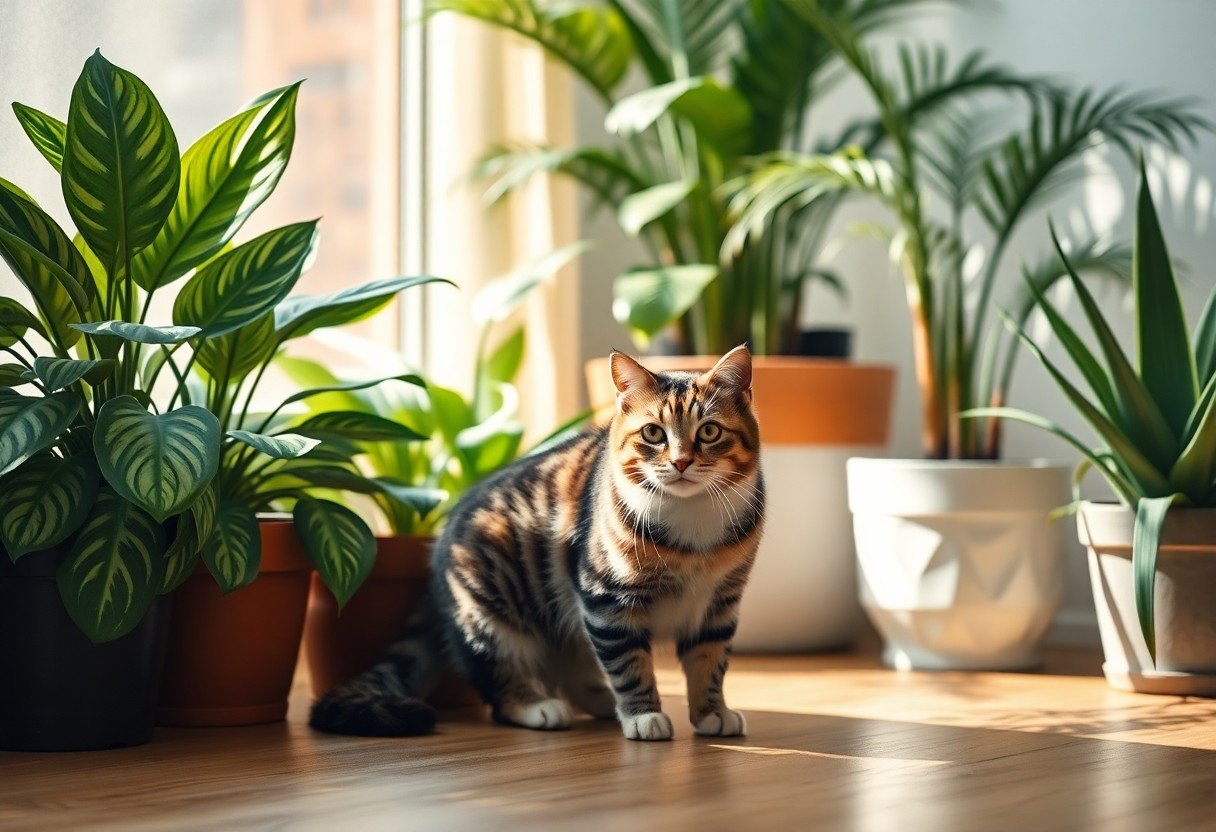
You can maintain a lush indoor garden without risking your cat’s health by choosing plants proven safe for feline companions. Spider plants, Boston ferns, and parlor palms thrive in typical household conditions and pose no threat if nibbled. These green allies bring life to your space while letting you breathe easier knowing curiosity won’t lead to a veterinary emergency.
Many common houseplants have toxic counterparts that look nearly identical, so always verify scientific names before bringing greenery home. For instance, true marigolds are harmless, but similar-looking calendula may cause mild irritation. Labels at nurseries aren’t always accurate, so cross-reference with trusted databases like the ASPCA’s list of toxic and non-toxic plants.
Your home’s aesthetic doesn’t need to suffer for safety’s sake. Calathea varieties offer striking leaf patterns, while peperomias come in dozens of forms, all non-toxic and low-maintenance. By making informed choices, you create an environment where beauty and well-being coexist peacefully.
The Catnip Altar and Safe Grazing
A dedicated patch of cat-friendly greens gives your feline an outlet for natural grazing behavior, reducing temptation to sample dangerous plants. Catnip, wheatgrass, and oat grass are easy to grow in small pots near windowsills or in sunlit corners. These plants satisfy instinct while steering your pet away from riskier foliage.
Cats often seek out greens to aid digestion or fulfill a dietary need for fiber. Providing a consistent source prevents them from testing unknown leaves out of necessity. Rotate fresh batches weekly to keep the offering appealing and hygienic.
Positioning this “altar” in a quiet, accessible spot invites regular use. Watch how your cat responds-some roll, others chew gently, and a few simply nap beside it. This small ritual fosters contentment and reinforces a home where safety feels natural.
Creating a catnip altar isn’t just about diversion-it’s about understanding your cat’s instincts and meeting them with compassion. When you offer safe grazing options, you reduce stress for both of you, knowing your pet has a designated, healthy outlet for their natural behaviors.
Conclusion
Presently, many households include both cats and houseplants, creating a shared environment that requires careful attention. You may not realize that common plants like lilies, pothos, and philodendrons contain compounds toxic to cats, leading to symptoms ranging from drooling and vomiting to kidney failure. Your cat’s natural curiosity puts it at risk, especially when toxic plants are within easy reach.
Choosing cat-safe alternatives such as spider plants, Boston ferns, or areca palms allows you to maintain greenery without endangering your pet. Awareness and prevention are your most effective tools. You can protect your cat by researching plant toxicity before bringing any new greenery into your home.
Regularly inspecting your indoor garden and monitoring your cat’s behavior around plants helps catch potential issues early. When in doubt, consult your veterinarian before introducing any new plant. Your vigilance ensures a safer, healthier home for your feline companion.