Can Cats Eat Chocolate? Theobromine Toxicity in Cats

Chocolate is one of the most dangerous foods a cat can consume. Although cats are less likely than dogs to eat chocolate because they cannot taste sweetness, even small amounts can expose them to theobromine and caffeine, two compounds that are toxic to cats and can cause serious health problems.
This guide explains why chocolate is poisonous to cats, the symptoms of theobromine toxicity, how much chocolate can be dangerous, and what to do if your cat accidentally eats it. Acting quickly can make a significant difference in preventing severe complications.
The Chemical Threat
The Nature of Theobromine
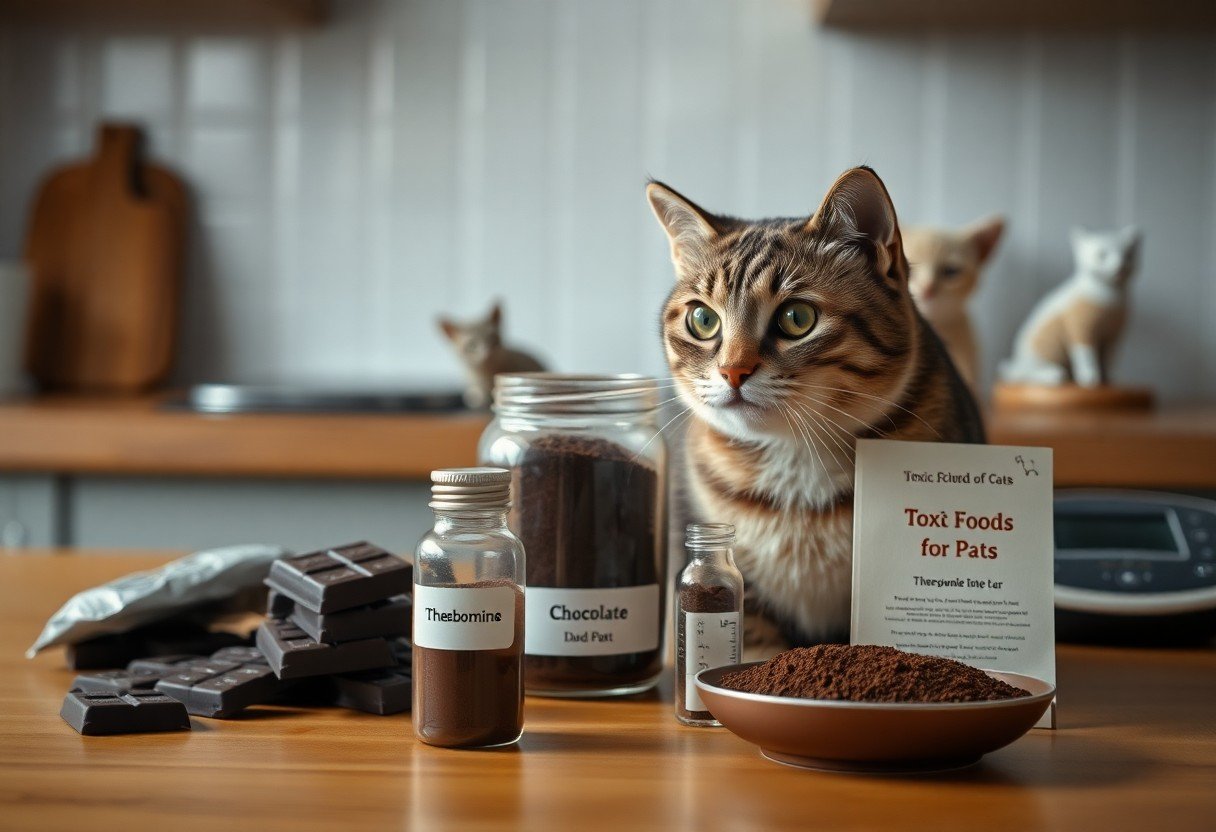
Chocolate contains theobromine, a compound naturally found in cocoa beans that affects cats far more severely than humans. Your cat’s body processes this substance extremely slowly, allowing it to accumulate to toxic levels even in small doses. Unlike people, who metabolize theobromine efficiently, felines lack the necessary liver enzymes to break it down quickly, leading to prolonged exposure and increased risk of poisoning.
Even dark chocolate, which holds higher concentrations, can trigger symptoms within hours. You might not realize how little it takes-a single square can be dangerous depending on your cat’s size. The compound primarily targets the nervous system, heart, and kidneys, disrupting normal function and potentially causing long-term damage.
Signs of theobromine toxicity often appear within 6 to 12 hours after ingestion. Your cat may become restless, vomit, or develop an elevated heart rate. In severe cases, seizures or cardiac arrest can occur without prompt treatment. Because symptoms can escalate rapidly, immediate veterinary care is vital if you suspect chocolate consumption.
Prevention starts with awareness. You should store all chocolate products securely out of reach, including baking chocolate and cocoa powder, which are especially hazardous. Educating household members about the risks helps reduce accidental exposure.
Caffeine Impact
Caffeine, another methylxanthine present in chocolate, acts similarly to theobromine but with faster onset and sharper neurological effects. Your cat may experience hyperactivity, muscle tremors, or difficulty breathing after ingesting even trace amounts.
This stimulant crosses the blood-brain barrier easily, overexciting the central nervous system and increasing heart rate abnormally. Since cats are much smaller than humans, their threshold for toxicity is extremely low. Energy drinks, coffee, and certain teas pose similar dangers, but chocolate remains a common, often overlooked source.
Unlike dogs, cats are less likely to seek out chocolate due to their inability to taste sweetness. However, they may still consume it accidentally, especially if it’s mixed into other foods or left within reach. You should never assume your cat won’t eat it-curiosity or scavenging behavior can override natural preferences. Once ingested, caffeine can cause arrhythmias or hypertension that require urgent medical intervention.
Recovery depends on how quickly treatment begins. Your veterinarian may induce vomiting, administer activated charcoal, or provide intravenous fluids to support organ function. Monitoring heart activity and neurological status is standard during recovery.
While caffeine’s effects are similar to theobromine, they tend to appear more rapidly-sometimes within 30 minutes. This quick action means symptoms like restlessness or panting can escalate before you recognize the cause. You must treat any suspected ingestion as an emergency, regardless of the form of chocolate or caffeine involved.
Physical Signs of Distress
When your cat ingests chocolate, the theobromine it contains begins disrupting normal bodily functions almost immediately. You may notice your cat becoming unusually restless or unable to settle, pacing back and forth with no clear purpose.
This agitation often signals the onset of internal discomfort, as the toxin starts affecting the central nervous system and cardiovascular activity. Rapid breathing and an elevated heart rate are common early indicators that something is wrong.
As the toxicity progresses, physical signs become more pronounced and harder to ignore. Your cat might tremble or experience muscle twitching, a direct result of overstimulated nerves. Increased body temperature and excessive panting can follow, even in cool environments. These symptoms reflect the body’s struggle to maintain balance under chemical stress, and they demand immediate attention to prevent escalation.
Without prompt intervention, the physical strain can lead to collapse or loss of consciousness. The heart may beat irregularly, weakening circulation and reducing oxygen delivery to vital organs. At this stage, every minute counts. Recognizing these signs early gives your cat the best chance at recovery through veterinary care.
Digestive Failure
Chocolate ingestion often triggers immediate gastrointestinal disruption in cats. You might observe your cat vomiting shortly after exposure, sometimes with traces of chocolate visible in the expelled contents. This is the body’s attempt to rid itself of the toxic substance, though it rarely eliminates enough theobromine to prevent further complications.
Diarrhea typically follows, compounding fluid loss and increasing the risk of dehydration. Your cat may refuse food, appear bloated, or show signs of abdominal pain by hunching or resisting touch around the belly. These behaviors suggest significant internal discomfort and impaired digestive function.
Continued digestive failure weakens your cat’s ability to absorb nutrients and maintain electrolyte balance. As the intestines struggle, toxins may enter the bloodstream more easily, worsening systemic effects. Persistent vomiting and diarrhea require urgent veterinary support to stabilize your pet.
Neurological Decline
Neurological symptoms emerge as theobromine crosses the blood-brain barrier and overstimulates neural pathways. Your cat may appear disoriented, walking unsteadily or bumping into furniture. These coordination issues signal that the toxin is interfering with normal brain signaling.
Seizures can develop, ranging from mild tremors to full-body convulsions. During an episode, your cat may lose consciousness, drool excessively, or lose bladder control. These episodes are not only frightening to witness but also dangerous, potentially leading to injury or respiratory distress.
Progressive neurological decline may result in coma if treatment is delayed. The brain’s regulatory functions begin to fail, affecting breathing, heart rate, and temperature control. Immediate medical intervention is crucial to halt this downward spiral.
Seizures and disorientation stem from theobromine’s structural similarity to caffeine, which directly excites nerve cells. This mimicry disrupts normal neurotransmitter activity, leading to erratic brain signals. Because cats metabolize theobromine extremely slowly, the effects persist and intensify without treatment.
Varieties of Danger
Every type of chocolate poses some risk, but the level of danger varies significantly based on cocoa content. The higher the concentration of cocoa, the more theobromine it contains, making certain types far more hazardous to your cat. You need to recognize that not all chocolate is created equal when it comes to toxicity.
Dark chocolate and cocoa powder are among the most dangerous, but baking chocolate stands out for its extreme potency. This form is nearly pure chocolate liquor, meaning it delivers a concentrated dose of theobromine in even small amounts. A single ounce can contain over 400 milligrams of theobromine-enough to seriously harm a cat weighing just ten pounds.
Even a tiny sliver of baking chocolate can trigger vomiting, rapid breathing, or seizures in your cat. Symptoms may appear within hours and escalate quickly due to the high theobromine load. Immediate veterinary care is important if your cat ingests any amount.
Baking Chocolate Potency
Baking chocolate is one of the most dangerous forms your cat can encounter. It contains up to ten times more theobromine than milk chocolate, making even a small taste potentially life-threatening. A single square can push a small cat past the toxic threshold.
The concentrated nature of baking chocolate means your cat doesn’t need to consume much for symptoms to develop. Within hours, you might notice restlessness, increased heart rate, or muscle tremors. These are early signs of theobromine poisoning and require urgent attention.
Unlike other sweets, baking chocolate lacks sugar and milk to dilute its toxicity. What remains is a dense block of cocoa solids packed with stimulants. Your safest choice is to keep it completely out of reach-and out of curiosity’s way.
Milk Chocolate Thresholds
Milk chocolate contains less theobromine than darker varieties, but it’s still unsafe for your cat. While it takes more to reach a toxic dose, even a standard candy bar can cause problems in smaller or sensitive cats. The risk increases with repeated exposure or larger ingestions.
A general guideline suggests that doses above 200 milligrams of theobromine per kilogram of body weight can lead to poisoning. Since milk chocolate has about 44-60 mg per ounce, your cat would need to eat several ounces to reach danger levels-but symptoms can appear well before that point.
Some cats show sensitivity at much lower amounts, experiencing gastrointestinal upset or mild neurological signs. You shouldn’t wait for severe symptoms to act. Any ingestion warrants a call to your veterinarian.
Milk chocolate may seem harmless compared to darker types, but its accessibility makes it a common source of accidental poisoning. Your cat might jump on the counter and snatch a piece before you notice. Because it’s often consumed in larger quantities, the cumulative theobromine can still overwhelm their system. Always treat any chocolate ingestion seriously, regardless of type.
Action at the Clinic

Induced Emesis
Time is critical when your cat has ingested chocolate, and inducing vomiting may be one of the first steps taken at the clinic. A veterinarian might administer a safe injectable agent like apomorphine to trigger emesis, especially if the consumption occurred within the past one to two hours. This method helps remove undigested chocolate from the stomach before theobromine is fully absorbed into the bloodstream.
Your cat will be closely monitored during this process to ensure the procedure is effective and safe. Not every cat is a candidate for induced vomiting-those showing neurological symptoms or who are already vomiting shouldn’t undergo this treatment. The vet will assess your pet’s condition thoroughly before deciding on the best course of action.
Success depends heavily on how quickly you sought help. The sooner emesis is induced after ingestion, the greater the chance of limiting toxin absorption. Always follow your veterinarian’s guidance-never attempt to induce vomiting at home without professional advice, as improper methods can cause more harm than good.
Activated Charcoal Use
After emesis or if vomiting isn’t possible, your vet may administer activated charcoal to limit theobromine absorption. This black, powdery substance binds to toxins in the gastrointestinal tract, preventing them from entering the bloodstream. It’s often given orally and may be repeated every few hours, depending on the severity of exposure.
The charcoal passes through the digestive system, carrying the bound theobromine with it, ultimately reducing the toxin’s impact on your cat’s body. This treatment works best when given early, ideally within a few hours of ingestion. Your veterinarian will determine the correct dosage based on your cat’s weight and the amount of chocolate consumed.
Side effects are generally mild, though your cat may have black stools or temporary nausea. It’s not a standalone solution but part of a broader treatment plan that may include IV fluids and medications to manage symptoms. The goal is to support your cat’s system while minimizing theobromine’s harmful effects.
Activated charcoal is most effective when used promptly and in combination with other interventions. It does not reverse existing symptoms but helps prevent further toxin absorption, making timing necessary. Your vet will monitor your cat’s progress and adjust treatment as needed to ensure the best possible outcome.
The Path to Healing
Recovery from theobromine toxicity begins the moment your cat receives professional veterinary care. Time is a critical factor, and early intervention dramatically improves outcomes. Your cat’s treatment plan will depend on how much chocolate was ingested and how quickly you sought help. Vets often induce vomiting if the ingestion was recent, followed by activated charcoal to limit further absorption of the toxin in the digestive tract.
Supportive therapies are tailored to your cat’s symptoms and overall condition. Since theobromine affects the nervous and cardiovascular systems, your cat may need hospitalization for close observation. Medications to control seizures, reduce agitation, or stabilize heart function may be administered. Your veterinarian will guide you through each step, ensuring your pet receives the precise care needed to regain stability.
Patience and vigilance at home are important during the recovery phase. Even after symptoms subside, your cat may remain sensitive or lethargic for a few days. Follow all post-treatment instructions carefully, including medication schedules and follow-up visits. With proper care, most cats recover fully, but prevention remains the best strategy moving forward.
Fluid Therapy
Fluid therapy helps flush theobromine from your cat’s system and supports kidney function during detoxification. Intravenous fluids are typically administered in a clinical setting to maintain hydration and promote urine production. This process reduces the concentration of toxins circulating in the bloodstream.
Your cat may become dehydrated due to vomiting or increased urination caused by theobromine. Replenishing lost fluids prevents complications like electrolyte imbalances or low blood pressure. The rate and composition of the fluids are adjusted based on your cat’s weight, age, and clinical signs.
Veterinarians monitor urine output and hydration status closely throughout treatment. Fluids may also carry medications to ease symptoms or protect organ function. This steady support gives your cat’s body the best chance to recover efficiently and safely.
Heart Rate Monitoring
Heart rate monitoring allows veterinarians to detect irregularities caused by theobromine’s stimulant effects. The toxin can trigger tachycardia or abnormal rhythms that compromise circulation. Continuous observation helps identify dangerous changes before they escalate.
A small sensor or ECG leads are often attached to your cat to track electrical activity in real time. Any deviation from a normal feline heart rate-typically 140 to 220 beats per minute at rest-is addressed promptly. Medications may be adjusted based on these readings to stabilize cardiac function.
This monitoring continues throughout hospitalization, especially if your cat shows signs of restlessness or difficulty breathing. Early detection of arrhythmias improves the odds of a smooth recovery and reduces strain on the heart muscle.
Heart rate monitoring isn’t just about numbers-it provides insight into how deeply the toxin has affected your cat’s system. Changes in rhythm can signal neurological or metabolic stress, guiding further treatment decisions. Your veterinary team uses this data to tailor interventions, ensuring your cat’s cardiovascular system returns to balance without delay.
Summing up
Theobromine, a compound found in chocolate, poses a serious health risk to cats due to their inability to metabolize it efficiently. You must understand that even small amounts of chocolate can lead to toxic effects, including vomiting, diarrhea, rapid breathing, and in severe cases, seizures or death. Cats are especially sensitive because their livers lack the enzymes needed to break down theobromine quickly, allowing it to build up to dangerous levels in their system.
You should never offer chocolate to your cat, regardless of the type or quantity. Dark and baking chocolates contain higher concentrations of theobromine and are especially hazardous, but milk and white chocolate still carry risks. Symptoms of poisoning may not appear immediately, sometimes taking several hours to manifest, which makes prompt veterinary attention crucial if ingestion is suspected.
Your cat’s health depends on your awareness and preventive actions. Keeping chocolate securely stored out of reach is a simple but effective way to avoid accidental poisoning. When in doubt about any human food, consult your veterinarian to ensure your pet remains safe and healthy.