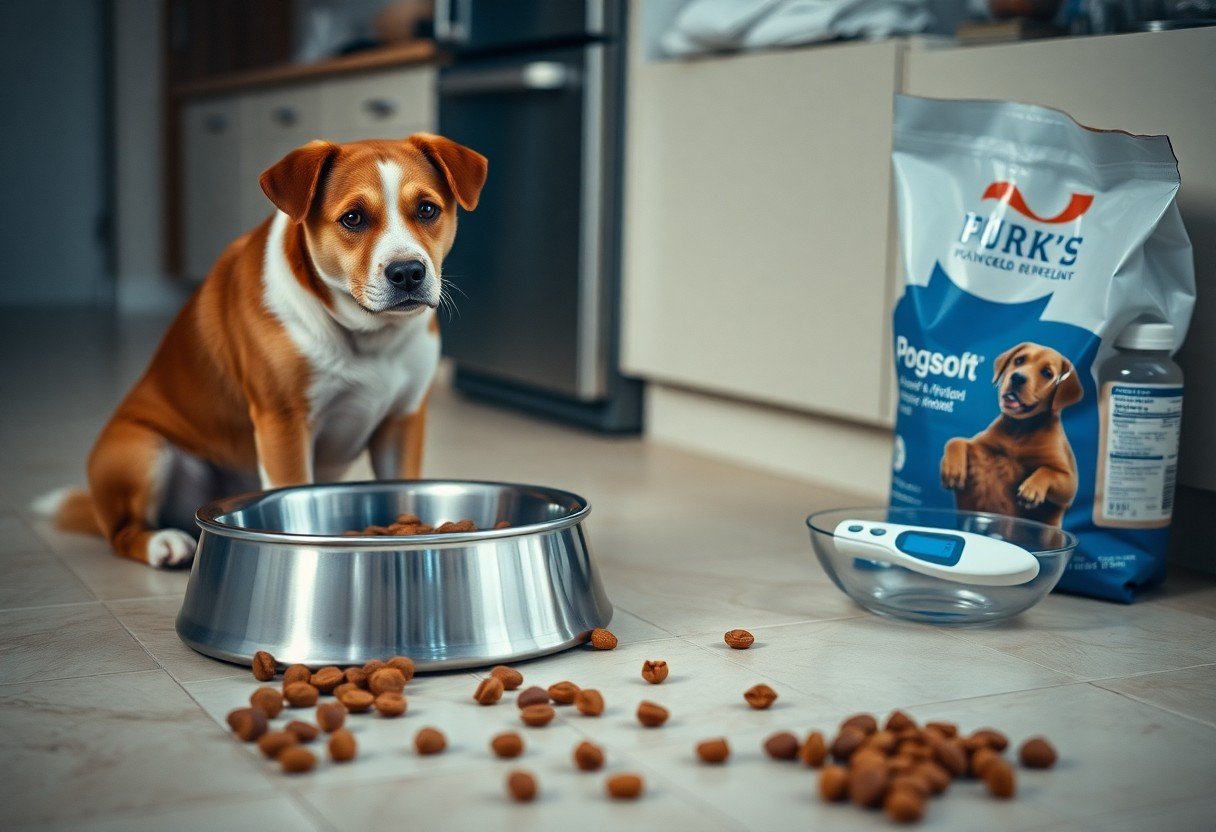
Why Your Dog Stopped Eating and What to Do About It

If your dog suddenly stops eating, it can be worrying, especially if they normally get excited at mealtime. A loss of appetite in dogs can happen for many reasons, ranging from minor issues such as stress, changes in routine, or digestive upset to more serious underlying health problems that may require veterinary attention.
Understanding why your dog stopped eating is the first step toward knowing what to do next. In this guide, we’ll explore common reasons dogs lose their appetite, warning signs to watch for, when to seek veterinary care, and practical steps you can take to encourage your dog to eat safely.
Environmental and Emotional Factors

Changes in Surroundings
Even subtle shifts in your home environment can affect your dog’s appetite. A new piece of furniture, a different feeding location, or recent renovations might seem minor to you but can unsettle your pet.
Dogs thrive on routine, and disruptions-even temporary ones like guests staying over or loud construction nearby-can make them hesitant to eat. If your dog has stopped eating shortly after a change in their surroundings, consider whether the timing lines up with a recent adjustment in their daily experience.
Stress and Anxiety Triggers
Stress plays a powerful role in your dog’s eating habits. Major life events such as moving to a new home, the addition of a new pet or family member, or even a change in your work schedule can trigger anxiety. Your dog may associate mealtime with discomfort if it occurs near a stressful event or in a high-traffic area of the house. Signs like pacing, lip-licking, or avoiding the food bowl altogether often point to emotional distress rather than physical illness.
Emotional Bonding and Attention
Your presence, or lack of it, directly influences your dog’s emotional state. Dogs are deeply attuned to their owners’ moods and routines. If you’ve been absent more often or emotionally distant, your dog may lose interest in food as a reflection of their emotional disconnect.
Some dogs also develop attention-seeking behaviors around meals, refusing food until you’re watching or interacting with them. This doesn’t mean they’re being stubborn-it’s often a bid for connection.
What You Can Do
Start by restoring consistency in your dog’s daily routine. Feed them at the same time and in the same quiet place each day. Minimize loud noises or distractions during meals. If recent changes have occurred, give your dog time to adjust while offering reassurance through calm interaction. You might also try hand-feeding a few kibbles to rebuild positive associations with eating.
- Create a calm, predictable feeding environment away from household chaos
- Observe your dog’s body language before and during meals for signs of stress
- Spend quiet time near them while they eat to provide comfort without pressure
- Avoid making sudden changes to their schedule or living space when possible
Recognizing that emotional well-being is closely tied to physical health allows you to respond with empathy and practical support when your dog stops eating.
Dietary Preferences and Food Quality
Changes in Taste and Texture Preferences
Your dog’s taste preferences can shift over time, just like yours do. A food they once gobbled up eagerly might suddenly seem unappealing, especially if they’ve been eating the same formula for months. Dogs can grow bored with repetitive meals, particularly if there’s no variation in texture or flavor.
You may notice them sniffing their bowl and walking away, not because they’re unwell, but because the food no longer excites their senses. Introducing a different texture-such as switching from dry kibble to a wet or gently cooked option-can reignite their interest during these phases.
The Role of Ingredient Quality
Not all dog foods are created equal, and your dog likely knows this better than you think. Lower-quality kibbles often contain fillers like corn, soy, or by-products that offer little nutritional value and may even cause digestive discomfort over time. When you feed a diet rich in real meat, healthy fats, and digestible carbohydrates, your dog is more likely to eat consistently and with enthusiasm.
Check the ingredient list on your current food-does the first ingredient a named animal protein, or is it a vague meal or plant-based filler? Upgrading to a higher-quality option could be the simple fix your dog needs.
Transitioning Foods Safely
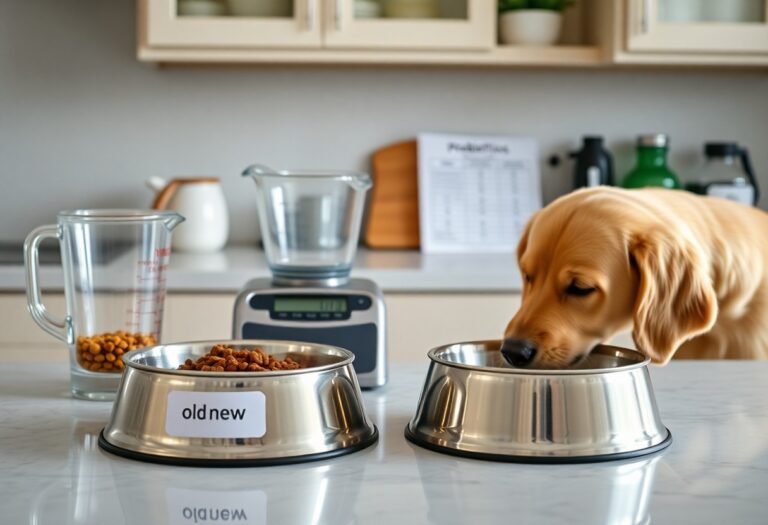
Switching your dog’s food requires patience and care. An abrupt change can lead to stomach upset, making your dog reluctant to eat anything at all. Start by mixing a small amount of the new food with the old, gradually increasing the proportion over 7 to 10 days.
This slow integration helps your dog adjust to the new taste and texture while allowing their digestive system to adapt. Watch for signs of acceptance-like finishing meals without hesitation or showing excitement at feeding time-as indicators that the new food is a good fit.
Age-Related Changes in Appetite
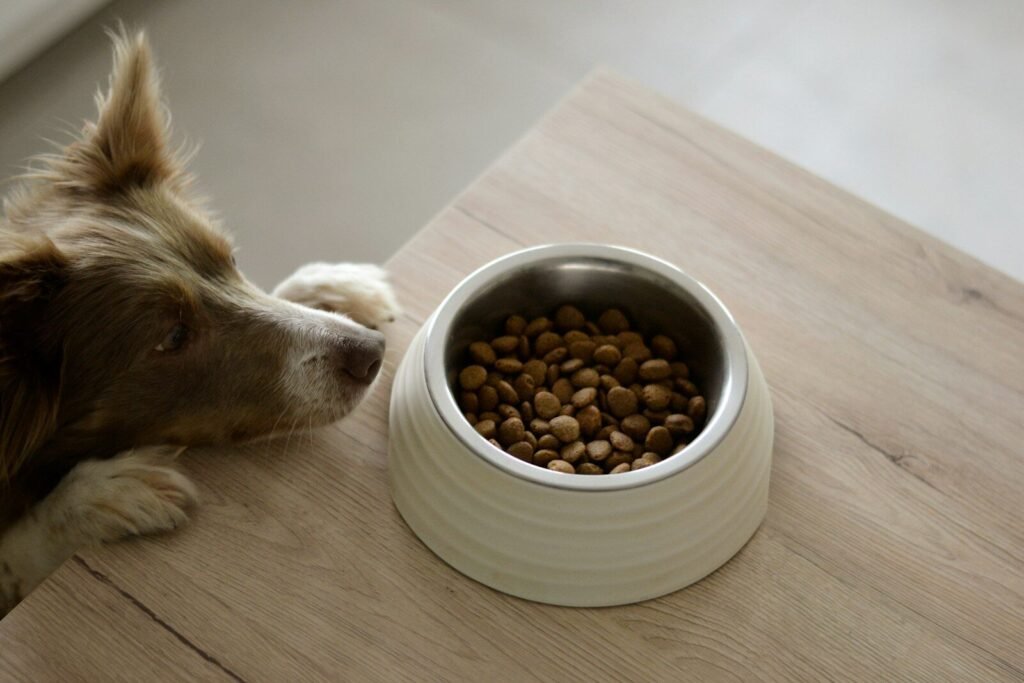
Understanding Appetite Shifts in Senior Dogs
As your dog enters their senior years, you may notice they’re no longer plunging into their food bowl with the same enthusiasm. This change often reflects natural shifts in metabolism and energy needs that come with aging. Older dogs typically become less active, requiring fewer calories, which can naturally reduce their appetite. It’s normal for their interest in food to wane slightly, but a complete refusal or sudden disinterest should prompt closer attention.
Physical and Sensory Factors at Play
Age can dull your dog’s sense of smell and taste, making meals less appealing even if the food hasn’t changed. Dental issues like gum disease, tooth decay, or oral pain are also common in older dogs and can make chewing uncomfortable. You might not see obvious signs of pain, but reluctance to eat, dropping food, or excessive drooling can be subtle clues. A veterinary checkup can uncover these hidden problems and lead to effective treatment.
When to Seek Professional Guidance
Your dog’s reduced appetite could signal an underlying health condition such as kidney disease, diabetes, or thyroid imbalances-issues that become more prevalent with age. Don’t dismiss ongoing eating problems as just “getting old.” Early diagnosis improves outcomes, so schedule a vet visit if the change persists beyond a few days. For more insight into possible causes and next steps, check out this resource: Dog Not Eating? Here’s What You Need To Know.
Supporting Your Senior Dog’s Nutrition
You can help maintain your older dog’s interest in food by warming their meals slightly to enhance aroma or switching to softer, more palatable options. Small, frequent meals may be easier to manage than large portions. Always ensure fresh water is available and monitor weight changes over time. With thoughtful adjustments and regular vet care, you can support your dog’s health and comfort through their golden years.
Medical Warning Signs to Monitor
Loss of Appetite Accompanied by Vomiting or Diarrhea
You should pay close attention if your dog stops eating and begins vomiting or has diarrhea. These symptoms together can point to gastrointestinal infections, pancreatitis, or ingestion of toxic substances. When your dog can’t keep food down or shows loose stools for more than 24 hours, it increases the risk of dehydration and electrolyte imbalances. Contact your veterinarian promptly, especially if the vomit contains blood or the diarrhea is black and tarry, as these are signs of internal bleeding.
Lethargy and Weakness Alongside Refusal to Eat
Lethargy that appears with a lack of interest in food may signal a deeper health issue. If your dog is sleeping more than usual, struggling to stand, or shows little enthusiasm for walks or play, it could indicate pain, infection, or organ dysfunction.
Conditions like kidney disease, liver problems, or even certain cancers often present with fatigue and appetite loss. Monitoring your dog’s energy levels over a 24- to 48-hour window helps your vet make a more accurate diagnosis.
Changes in Drinking Habits or Urination
Increased thirst or urination paired with reduced food intake may suggest diabetes, kidney disease, or Cushing’s disease. You might notice your dog asking to go outside more often or having accidents indoors. On the flip side, if your dog is drinking less and not eating, dehydration could be setting in. Track how much water your dog consumes daily and report any significant shifts to your veterinarian.
Visible Discomfort or Behavioral Shifts
Pain can be a silent reason your dog refuses meals. Watch for signs like whining, restlessness, hunched posture, or reluctance to be touched-especially around the abdomen. Dental issues such as broken teeth, gum disease, or oral tumors also make eating painful. If your dog chews on one side, drops food, or paws at their mouth, a dental exam is necessary. Behavioral changes like aggression or withdrawal often accompany physical discomfort and warrant immediate evaluation.
Weight Loss or Muscle Wasting Over Time
Even if your dog occasionally eats, consistent weight loss is a red flag. Gradual thinning, especially around the spine or hips, may indicate chronic illness such as cancer, gastrointestinal disorders, or metabolic disease. Muscle wasting without obvious injury suggests the body is breaking down tissue for energy, which happens when nutrition intake is insufficient or absorption is impaired. Regularly weighing your dog or taking body condition photos can help catch these changes early.
Practical Steps for Home Care
Monitor Your Dog’s Behavior Closely
You know your dog better than anyone, and subtle changes in behavior often signal something is off. Watch how they move, whether they’re lethargic or restless, and if they show interest in toys or people. Note any vomiting, diarrhea, or changes in drinking habits. These details matter when deciding whether a vet visit is necessary or if the issue might resolve on its own.
Check the Food and Feeding Routine
Your dog might be rejecting meals because the food has changed in smell, texture, or taste. Inspect the kibble or wet food for spoilage, especially if it’s been sitting out. Consider whether you recently switched brands or added a new treat. Dogs thrive on consistency, so even a small change in diet can cause hesitation at mealtime. Try offering the previous food or a bland option like boiled chicken and rice to see if appetite returns.
Reduce Stress in the Environment
Stress plays a bigger role in appetite loss than many owners realize. Has there been a recent move, new pet, visitor, or loud event like fireworks? Dogs pick up on household tension quickly. Create a quiet, familiar space for meals away from noise and foot traffic. Feed them in the same spot at the same time each day to restore a sense of safety and routine.
Encourage Eating with Gentle Tactics
Hand-feeding small portions can spark interest in a reluctant eater. Warm the food slightly to enhance the aroma-this often triggers hunger. Mixing in a spoonful of low-sodium broth or plain pumpkin (not pie filling) may make the meal more appealing. Avoid forcing food or showing frustration; pressure can make the problem worse.
Know When to Seek Professional Help
If your dog hasn’t eaten for more than 24 hours, or if they’re showing other symptoms like vomiting, weakness, or abdominal pain, it’s time to call your veterinarian. Puppies and senior dogs are especially vulnerable to complications from missed meals. Trust your instincts-when something feels wrong, getting a professional opinion is the safest choice.
To wrap up
Summing up, your dog may stop eating for reasons ranging from illness and dental pain to stress or changes in routine. You should monitor for other symptoms like vomiting, lethargy, or diarrhea, and consult your veterinarian if the refusal to eat lasts more than 24 hours. Adjusting their food, offering warmed meals, or ensuring a quiet eating environment can help. Your consistent observation and timely action support your dog’s health and well-being.