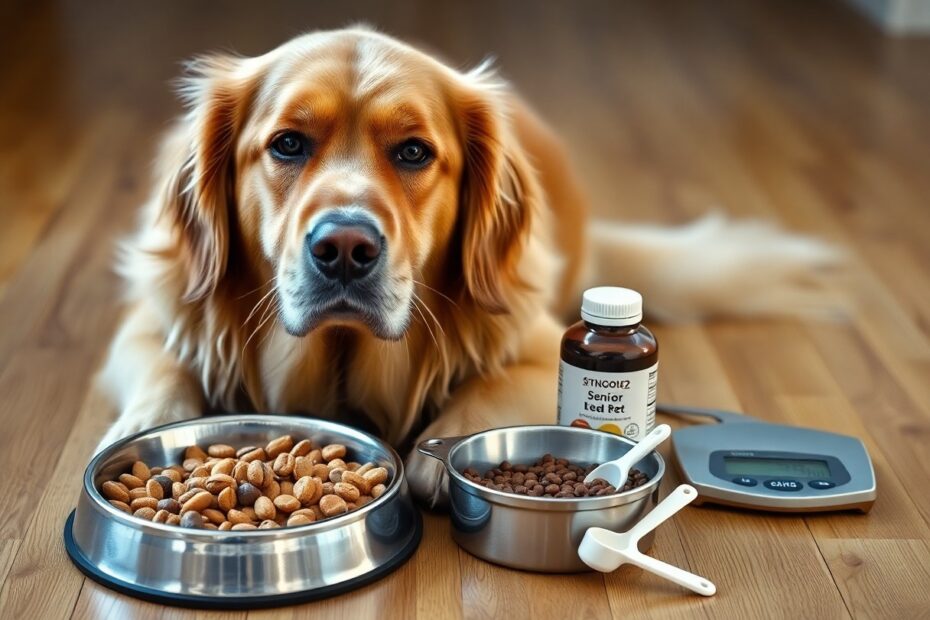
As dogs grow older, their nutritional needs begin to change. Senior dogs often experience shifts in metabolism, activity levels, muscle mass, digestion, and overall health, making proper nutrition more important than ever. Feeding the same diet that worked during adulthood may not provide the ideal balance of nutrients needed to support healthy aging and maintain quality of life.
A well-planned senior dog diet can help support joint health, weight management, cognitive function, immune health, and muscle maintenance. In this guide, you’ll learn how dietary requirements change as dogs age, which nutrients become especially important, how to choose the right food for older dogs, and practical feeding tips to help your senior companion stay healthy and active.
The Slowing Clock of Metabolism
Why Energy Needs Shift
Your senior dog burns fewer calories today than they did at age three or four. As muscle mass naturally declines with age and daily activity often slows, their body simply doesn’t require the same fuel load. This metabolic slowdown means excess calories are more likely to be stored as fat, increasing the risk of weight gain even if their food intake hasn’t changed. You may notice your dog sleeping more, hesitating before stairs, or tiring faster on walks-clear signs their engine is running at a lower RPM.
Adjusting Calories Without Sacrificing Nutrition
Reducing portion size or switching to a senior-specific formula can help match their lowered energy demands. What matters most is that fewer calories don’t mean fewer nutrients. Your dog still needs high-quality protein to support muscle maintenance, along with necessary fatty acids, vitamins, and minerals. Look for diets that are lower in fat and calories but rich in bioavailable nutrients-this balance keeps weight in check while supporting organ function, joint health, and immune response.
Monitoring Weight and Body Condition
Regular weigh-ins and body condition scoring give you real-time feedback on whether your dog’s diet is on track. A once-yearly vet check isn’t always enough; aim to assess their physique every few months. You should be able to feel their ribs with light pressure and see a visible waist when viewed from above. If they’re losing too much weight, their metabolism may be affected by an underlying condition. If they’re gaining, it’s time to reevaluate portions, treats, and activity levels.
Protein and the Strength of the Old Guard
Why Protein Still Powers Senior Dogs
You may have heard that older dogs need less protein, but that outdated idea can do more harm than good. Modern research shows senior dogs actually require high-quality protein to maintain muscle mass, support immune function, and sustain energy. As your dog ages, their body becomes less efficient at processing and utilizing protein, so skimping on it accelerates muscle loss and weakness. Feeding a diet rich in digestible animal-based proteins helps counteract sarcopenia-the natural decline in muscle that comes with age.
Finding the Right Balance
Protein isn’t just about quantity-it’s about quality and balance. Look for named meat sources like chicken, turkey, or fish listed at the top of the ingredient panel. These provide necessary amino acids your senior dog can’t produce on their own. At the same time, avoid overloading the kidneys with excessive low-grade proteins, especially if your dog has an existing condition. A well-formulated senior diet delivers optimal protein levels without straining organ function, keeping your dog strong without unnecessary stress.
Signs Your Dog Needs More Protein
Watch for subtle changes in your dog’s physique and behavior. A bony spine, reduced stamina on walks, or reluctance to jump onto the couch can signal muscle wasting. These aren’t just signs of getting older-they’re signs of inadequate nutrition. Increasing high-quality protein in your dog’s meals, under veterinary guidance, can lead to noticeable improvements in strength and mobility within weeks. You know your dog best; if they seem weaker or slower, their diet might need a protein reassessment.
Joint Support and the Morning Stiffening
Why Your Dog Moves Differently at Sunrise
You’ve likely noticed your senior dog moving slowly when they first get up, especially on cool mornings. This stiffness isn’t just a quirk of aging-it’s often a sign of joint wear that’s become more pronounced over time. As dogs age, cartilage in their joints can thin, reducing natural cushioning and leading to discomfort with movement. The inactivity of sleep allows joints to cool and stiffen, making that first stretch after rest more difficult than it once was.
Nutrients That Cushion Every Step
Your dog’s diet plays a direct role in how comfortably they move throughout the day. Ingredients like glucosamine and chondroitin support cartilage repair and help maintain joint fluidity. Omega-3 fatty acids, particularly EPA from fish oil, work to reduce inflammation that can worsen joint pain. Feeding a senior formula enriched with these components-or supplementing wisely-can make a noticeable difference in your dog’s mobility within weeks.
When Diet Isn’t Enough
Your efforts in the kitchen matter, but they’re only one part of the picture. If your dog still hesitates on stairs or struggles to stand, it may be time to consult your veterinarian about additional support. Therapies like controlled exercise, physical rehabilitation, or even prescription joint medications can complement a strong nutritional foundation. You know your dog’s routine better than anyone-trust your instincts when something feels off.
Digestive Grace in the Twilight Years
Slowing Digestion, Steady Support
Your senior dog’s digestive system doesn’t move as quickly as it once did. Enzyme production declines with age, making it harder to break down proteins and fats efficiently. You may notice your dog seems less enthusiastic about meals or takes longer to finish their food. This isn’t just pickiness-it’s a physiological shift that calls for more digestible ingredients and smaller, more frequent meals to reduce strain on the gut.
Fiber’s Balancing Act
Fiber plays a quiet but powerful role in maintaining your older dog’s digestive rhythm. Soluble fiber helps feed beneficial gut bacteria, supporting a healthy microbiome, while insoluble fiber adds bulk to stool and promotes regularity. Too much fiber, however, can interfere with nutrient absorption, so balance is key. Look for diets that include moderate amounts of pumpkin, beet pulp, or psyllium-ingredients that gently support transit without overwhelming the system.
Hydration’s Hidden Influence
Water isn’t just for thirst-it’s necessary for smooth digestion. As dogs age, their natural thirst response often dulls, increasing the risk of dehydration. Dry stools, infrequent bowel movements, or even mild constipation can stem from insufficient fluid intake. You can help by offering wet food, adding warm water to kibble, or placing multiple water stations around the house. Even a splash of low-sodium broth can encourage more drinking without upsetting the stomach.
When Bloating or Gas Becomes a Pattern
If your dog frequently passes gas or seems uncomfortable after eating, it may signal a need to reevaluate their diet. Ingredients like soy, certain legumes, or low-quality fillers can ferment in the gut and cause discomfort. Switching to a limited-ingredient or easily digestible formula often brings relief. Pay attention to how your dog responds to new foods-subtle cues like restlessness or reluctance to lie down after meals can point to digestive distress.
Hydration and the Vital Spark
The Shifting Thirst Response
Your senior dog’s ability to sense thirst often diminishes with age, making it easier for dehydration to take hold without obvious warning signs. Kidney function naturally declines over time, placing greater demand on the body to maintain fluid balance. You may notice your dog drinking less frequently, even when active or in warm environments. This subtle shift means you need to be more proactive-offering fresh water multiple times a day and monitoring intake closely.
Recognizing the Early Signs
Dry gums, decreased skin elasticity, and lethargy can all signal that your older dog isn’t getting enough fluids. Unlike younger dogs, seniors may not bounce back quickly from even mild dehydration. You might also observe reduced urination or darker-colored urine, both of which warrant attention. Catching these signs early allows you to intervene before more serious complications arise.
Boosting Fluid Intake Naturally
Adding moisture to your dog’s meals can make a meaningful difference in daily hydration. Try mixing warm water or low-sodium broth into dry kibble to enhance both flavor and fluid content. Canned food, which typically contains 70-80% water, is another effective option. Some dogs respond well to pet fountains that keep water circulating and fresh, encouraging more frequent sipping throughout the day.
Hydration’s Role in Daily Function
Water supports every major system in your dog’s body, from joint lubrication to temperature regulation and waste elimination. When hydration levels dip, even slightly, it can amplify existing health concerns like arthritis or digestive sluggishness. By prioritizing consistent fluid intake, you help sustain energy, mental clarity, and organ resilience in your aging companion. Small, daily efforts compound into lasting benefits.
Conclusion
Taking this into account, your senior dog’s body undergoes metabolic and physiological shifts that directly influence its nutritional requirements. As activity levels decline and organ function changes, your dog needs fewer calories but higher-quality proteins, increased fiber, and vital fatty acids to support joint, cognitive, and digestive health. Adjusting their diet ensures they maintain lean muscle mass while avoiding weight gain and related complications.
You may notice changes in appetite, digestion, or mobility, all of which signal the need for tailored nutrition. Ingredients like glucosamine, chondroitin, antioxidants, and omega-3s play a direct role in improving your dog’s quality of life during their later years. Commercial senior formulas or veterinarian-approved homemade diets can meet these evolving demands effectively.
Your role in monitoring and adapting your dog’s diet is a key factor in promoting longevity and comfort. Regular veterinary checkups, combined with careful observation of your dog’s energy and body condition, guide informed dietary decisions. Thoughtful nutrition in the senior years supports not just survival, but sustained well-being.