Foods Toxic to Dogs – The Complete Poison List

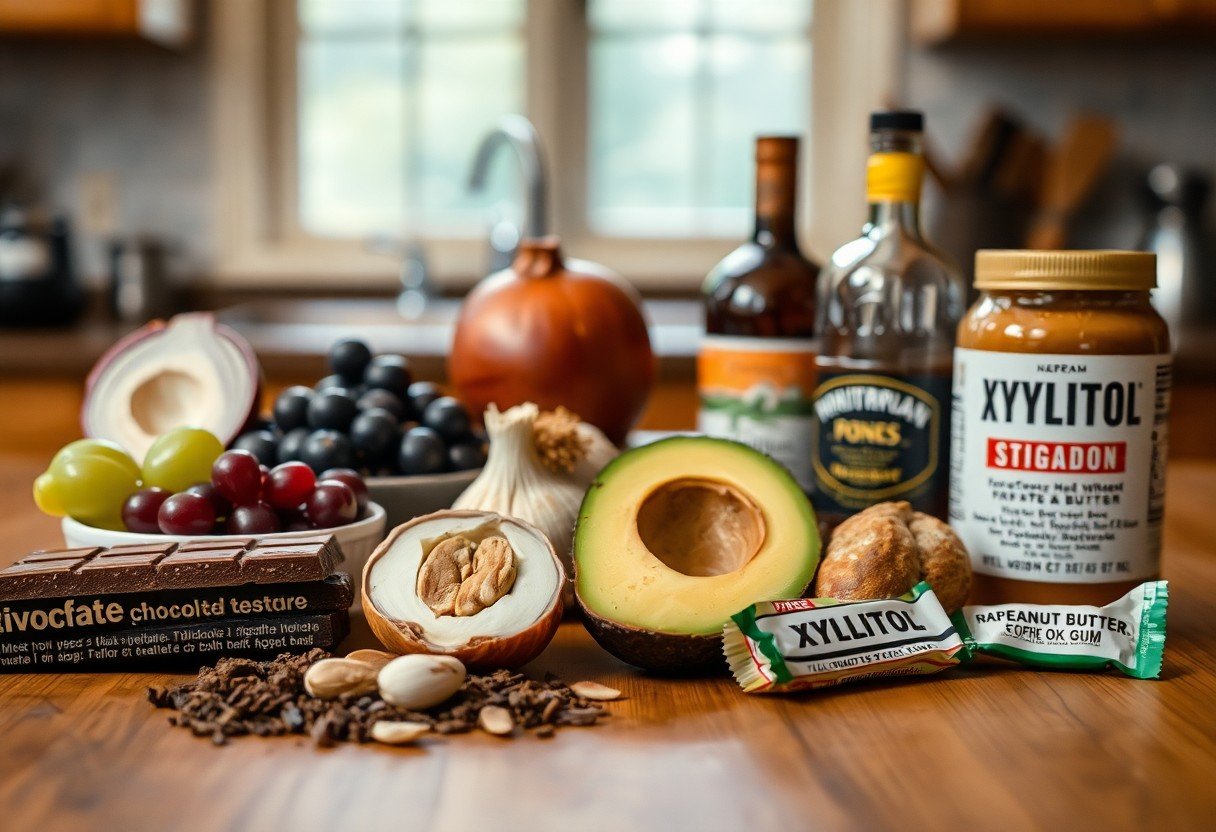
Many foods that are safe for humans can be harmful or even deadly to dogs. Ingredients such as chocolate, grapes, onions, xylitol, and certain nuts can cause anything from mild stomach upset to severe organ damage, depending on the food and the amount consumed. Knowing which foods are toxic is essential for every dog owner.
This complete guide covers the most common foods that are poisonous to dogs, explains the risks they pose, and helps you identify what should never be shared with your pet. By understanding these dangers, you can make safer choices and help keep your dog healthy and protected.
The Orchard and the Vine

Grapes and Raisins: A Hidden Danger
You may enjoy a handful of grapes or toss raisins into your morning oatmeal without a second thought, but these fruits pose a serious threat to your dog. Even small amounts can trigger acute kidney failure in canines, with symptoms appearing within hours of ingestion. The exact toxin remains unidentified, but veterinary studies consistently show a clear link between grape consumption and organ damage in dogs. There is no known safe quantity-whether seedless or organic, fresh or dried, the risk remains.
Apple Cores and Seeds: Not Just a Choking Hazard
Apple flesh is safe for dogs in moderation, but the core and seeds are where danger lies. Inside each seed are trace amounts of amygdalin, a compound that breaks down into cyanide when digested. While a few seeds are unlikely to cause harm, repeated exposure or consumption of multiple cores can lead to toxic buildup. Always slice apples thoroughly, removing the core and seeds before offering any to your dog.
Cherries: Sweet for You, Deadly for Them
Cherries may look like a tempting summer treat, but every part of the plant-fruit, pit, leaves, and stem-contains cyanogenic glycosides. These substances release cyanide when broken down, and even small ingestions can lead to poisoning. Your dog may show signs like difficulty breathing, dilated pupils, or bright red gums. Because the pits also pose a choking and intestinal blockage risk, it’s best to keep cherries entirely out of reach.
Peaches and Plums: Pitfalls in Plain Sight
The flesh of peaches and plums is generally safe, but the real danger lies in the pit. These large stones can obstruct your dog’s digestive tract and may fracture teeth if chewed. More concerning, they contain amygdalin, just like apple seeds. When crushed or chewed, this compound converts to cyanide in the body. Never allow your dog access to fallen fruit in orchards or backyards where these trees grow.
Unripe Tomatoes and Tomato Plants: Garden Risks
While ripe tomato fruit is usually safe in small amounts, the green parts of the plant-including leaves, stems, and unripe fruit-contain solanine, a toxic alkaloid. This substance can cause gastrointestinal upset, weakness, and even neurological symptoms in dogs. If you grow tomatoes in your garden, make sure your dog doesn’t nibble on the vines, especially during early growth stages.
The Kitchen Pantry
Common Dry Goods That Hide Danger
You might not think twice about storing flour, cocoa powder, or dried fruit in your pantry, but several everyday dry goods pose serious health risks to your dog. Chocolate, especially in baking forms like cocoa powder, contains theobromine and caffeine-substances dogs metabolize slowly, leading to toxicity that can cause vomiting, seizures, or even death.
Raisins and currants, often found in trail mixes or baked goods, can trigger sudden kidney failure even in small amounts. Even seemingly harmless items like raw bread dough can be dangerous; when ingested, the yeast continues to rise in your dog’s warm stomach, causing bloating and alcohol poisoning as it ferments.
Spices and Seasonings to Keep Out of Reach
Many spices you use daily can harm your dog if consumed in even modest quantities. Garlic and onions, in all forms-powdered, dried, or fresh-damage red blood cells and may lead to anemia. Nutmeg, often used in baked goods and warm drinks, contains myristicin, a compound that can cause tremors, high heart rate, and disorientation when ingested.
Salt, in large amounts, can lead to sodium ion poisoning, resulting in excessive thirst, vomiting, and in severe cases, seizures. Always check ingredient labels on spice blends, as many contain hidden onion or garlic powder.
Baking Ingredients and Sweeteners
Xylitol is one of the most dangerous substances your dog can encounter in the kitchen. This sugar substitute appears in sugar-free gum, certain peanut butters, baked goods, and even some toothpastes. In dogs, xylitol triggers a rapid release of insulin, causing a dangerous drop in blood sugar within minutes. Liver failure can follow if not treated immediately.
Baking chocolate, cake mixes, and sweetened yogurts may also contain xylitol or other artificial sweeteners you might not expect. Always read packaging carefully-what seems like a safe treat could contain a lethal ingredient.
The Nightshade Family
What Makes Nightshades Dangerous
You may not realize that common foods like tomatoes, potatoes, and eggplants belong to the nightshade family, which contains natural compounds toxic to dogs. These plants produce substances called glycoalkaloids, such as solanine and tomatine, as a defense mechanism against pests.
While ripe forms of some nightshades pose minimal risk, unripe or damaged versions can carry high concentrations of these toxins. Ingesting them can lead to gastrointestinal upset, weakness, and even neurological symptoms in your dog.
Common Nightshade Foods to Avoid
Green or sprouted potatoes are among the most dangerous nightshades for your dog. The solanine levels spike when potatoes are exposed to light and begin to turn green or develop sprouts. Even small amounts can cause vomiting, diarrhea, and lethargy. Tomato plants, especially the leaves, stems, and unripe green fruit, contain tomatine, which affects muscle function and the nervous system. While a ripe red tomato in tiny quantities may not harm your dog, it’s safest to keep all parts of the plant out of reach.
Recognizing Symptoms of Poisoning
Your dog may show signs of nightshade poisoning within a few hours of ingestion. Watch for drooling, loss of appetite, confusion, dilated pupils, or an unsteady gait. In more severe cases, tremors, difficulty breathing, or a slowed heart rate can occur. These symptoms stem from the toxin’s impact on the central nervous system. If you suspect your dog has eaten any part of a nightshade plant, contact your veterinarian immediately-early intervention improves outcomes significantly.
Safe Alternatives to Nightshade Vegetables
You can offer your dog safer vegetable treats that provide similar textures without the risk. Cooked carrots, zucchini, or green beans are excellent substitutes that most dogs enjoy. These options are low in calories and rich in fiber, supporting digestion without introducing harmful compounds. Always introduce new foods in small amounts and avoid seasoning. Sticking to dog-safe produce keeps your pet healthy and prevents accidental exposure to toxic plants hiding in plain sight.
Stimulants and Spirits
Caffeine and Chocolate
You may not realize that your morning coffee or afternoon chocolate bar poses a serious threat to your dog. Caffeine and theobromine, found in coffee, tea, energy drinks, and chocolate, stimulate the central nervous system and heart in ways that dogs cannot safely process. Even small amounts can lead to restlessness, rapid breathing, heart palpitations, or seizures. Dark chocolate and baking chocolate are especially dangerous due to their high theobromine content. If your dog ingests any product containing these substances, contact your veterinarian immediately.
Alcoholic Beverages
Alcohol affects dogs far more quickly and severely than it does humans. Beer, wine, spirits, and even fermented foods like dough or spoiled fruit can lead to alcohol poisoning in dogs. Symptoms include vomiting, diarrhea, difficulty breathing, and in severe cases, coma or death. Your dog’s smaller body size and different metabolism mean that even a small sip from a dropped cocktail can be harmful. Keep all alcoholic drinks out of reach and clean up spills promptly.
Energy Supplements and Medications
Human stimulant supplements, including those marketed for weight loss or focus enhancement, often contain ingredients like ephedrine, guarana, or synthetic caffeine analogs. These compounds are extremely dangerous for dogs and can cause life-threatening increases in heart rate and body temperature. Never give your dog any supplement intended for human use, and store these products securely. Accidental ingestion can happen quickly, especially if a pill bottle is left within paw’s reach.
Dairy and Yeast
Dairy Products
You may think sharing a bite of cheese or a spoonful of yogurt is harmless, but many dogs struggle to digest dairy. Most adult dogs lack sufficient lactase, the enzyme needed to break down lactose, leading to bloating, gas, and diarrhea. Even small amounts of milk, ice cream, or soft cheeses can trigger discomfort, especially in smaller breeds. While some dogs tolerate dairy better than others, it’s safest to avoid it altogether. If you want to treat your dog, look for lactose-free options specifically made for canines instead of risking an upset stomach.
Raw Yeast Dough
A rising ball of dough on the counter might seem innocent, but it poses a serious threat if your dog gets to it. Raw yeast dough can expand in your dog’s warm, moist stomach, causing painful bloating and potentially leading to a life-threatening condition called gastric-dilation volvulus.
As the yeast ferments, it produces alcohol, which your dog absorbs rapidly, leading to alcohol poisoning. Symptoms include vomiting, disorientation, low body temperature, and even seizures. Never leave unbaked bread or pizza dough within reach, and treat any ingestion as an emergency.
Immediate Actions
Contact Your Veterinarian Immediately
You need to call your veterinarian the moment you suspect your dog has ingested a toxic food. Time is one of the most critical factors in improving your dog’s chances of recovery. Even if your dog hasn’t shown symptoms yet, certain poisons can cause internal damage before any visible signs appear. Have the packaging or substance nearby when you call so you can provide accurate details about what was consumed and how much.
Do Not Induce Vomiting Without Guidance
Your instinct might be to make your dog throw up, but this can do more harm than good in some cases. Certain toxins, like sharp objects or corrosive substances, can cause further injury on the way back up. Other poisons may become more dangerous when regurgitated. Always wait for instructions from a veterinary professional before attempting any home interventions. They will assess the situation and tell you whether inducing vomiting is safe and appropriate.
Monitor Your Dog Closely
Keep your dog in a quiet, safe space where you can watch for changes in behavior, breathing, or physical condition. Look for symptoms like drooling, vomiting, diarrhea, weakness, tremors, or seizures. Note the time each symptom appears and how it progresses. This information helps your vet make faster, more accurate treatment decisions. Stay calm-your dog can pick up on your stress, which may worsen their anxiety.
Prepare for Emergency Transport
If your vet advises an immediate visit, gather what you’ll need before leaving. Bring a sample of the suspected toxin, a list of ingredients, and any notes you’ve taken about symptoms and timing. Keep your dog restrained in the car to prevent injury during transit. If possible, have someone call the clinic ahead of time so the team can prepare for your arrival. Quick, organized action increases the likelihood of a positive outcome.
Conclusion
As a reminder, your dog’s health depends on your awareness of everyday foods that pose serious risks. Common items like chocolate, grapes, onions, and xylitol-containing products can lead to severe illness or even death. You must read labels, secure trash bins, and keep human food out of reach to prevent accidental ingestion.
Each time you share a snack without checking its safety, you expose your pet to unnecessary danger. Dogs metabolize substances differently than humans, making seemingly harmless foods toxic to them. Recognizing symptoms like vomiting, lethargy, or seizures early can make the difference between life and death.
Your responsibility extends beyond love and companionship-it includes informed protection. By learning and applying this knowledge daily, you create a safer home environment. Stay vigilant, stay informed, and always prioritize your dog’s well-being over momentary treats.