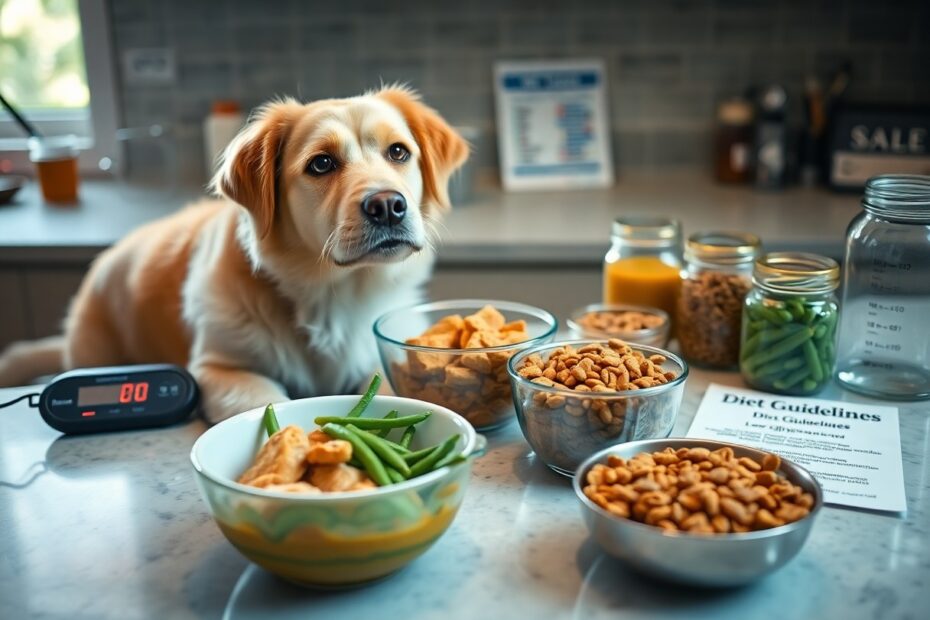
Managing diabetes in dogs requires more than medication alone. Diet plays a critical role in helping regulate blood sugar levels, maintain a healthy weight, and support overall health. The right nutrition plan can improve diabetes management and help reduce fluctuations in glucose levels, allowing your dog to live a healthier and more comfortable life.
Choosing the best food for a diabetic dog involves understanding factors such as carbohydrate content, fiber levels, protein quality, calorie intake, and meal timing. In this guide, you’ll learn what to feed a diabetic dog, which foods are commonly recommended, ingredients to avoid, and practical dietary strategies that can help support long-term blood sugar control.
The Nature of the Sugar Sickness
Diabetes in dogs, often called the “sugar sickness” by pet owners, is a metabolic disorder that disrupts how your dog’s body processes glucose. This condition arises when the balance between sugar and insulin breaks down, leading to high blood glucose levels that can damage organs over time. You may have noticed increased thirst, frequent urination, or unexplained weight loss-these are early signs your dog’s body is struggling to maintain normal function.
Left untreated, the disease progresses silently, weakening your dog’s energy systems and compromising long-term health. Unlike humans, most diabetic dogs suffer from Type 1 diabetes, meaning their pancreas can’t produce enough insulin. This makes daily management through diet and insulin injections necessary for a good quality of life.
Understanding the biological mechanics behind this condition helps you make informed choices about food, routine, and veterinary care. Your dog relies on you to regulate their internal environment, especially since they can’t communicate discomfort until symptoms become severe.
How the Body Fails
Glucose is the primary fuel for your dog’s cells, especially in the brain and muscles. After eating, food breaks down into glucose, which enters the bloodstream. Without proper regulation, this sugar accumulates, unable to enter cells where it’s needed. Your dog may seem hungry all the time, yet continue losing weight because their body can’t access its own energy stores.
The pancreas normally releases insulin to act as a key, unlocking cells so glucose can enter. In diabetic dogs, this system fails-either the pancreas doesn’t produce enough insulin or the body’s cells resist its effects. As a result, glucose remains in the bloodstream, causing damage to nerves, kidneys, and eyes over time.
Your dog’s body starts breaking down fat and muscle for energy, leading to ketone buildup, a dangerous condition known as ketoacidosis. This metabolic crisis requires immediate veterinary attention. Recognizing the signs early-like lethargy, vomiting, or a sweet-smelling breath-can save your dog’s life.
The Role of Insulin
Insulin is a hormone produced by the pancreas that regulates blood sugar levels. It allows glucose from the bloodstream to enter cells, where it’s used for energy or stored for later use. Without sufficient insulin, glucose builds up in the blood, starving cells despite an abundance of sugar circulating in the body.
Your dog depends on consistent insulin levels to maintain energy and prevent organ damage. Most diabetic dogs require daily insulin injections because their pancreas no longer produces enough on its own. These injections must be timed with meals to match glucose release from food, creating a stable metabolic rhythm.
Even small fluctuations in insulin can lead to dangerous highs or lows in blood sugar. You’ll need to monitor your dog closely, watching for signs of weakness, confusion, or seizures, which may indicate hypoglycemia. Consistency in feeding, injection timing, and activity level is key to keeping insulin effective.
Insulin doesn’t just lower blood sugar-it restores balance so your dog’s body can function normally. When properly managed, many diabetic dogs live active, happy lives for years. Your role in administering insulin correctly and observing daily patterns makes all the difference in maintaining this delicate equilibrium.
Protein and Muscle
Protein plays a central role in maintaining your diabetic dog’s muscle mass while supporting stable blood sugar levels. Unlike carbohydrates, protein has a minimal impact on glucose, making it a reliable energy source that helps prevent spikes. Your dog still needs adequate protein to repair tissues, support immune function, and stay strong, especially as they age or manage chronic conditions. Choosing the right kinds of protein ensures they get the benefits without added strain on their metabolism.
High-quality animal-based proteins are the most biologically available for dogs, meaning their bodies can use them efficiently. Eggs, chicken, turkey, and lean cuts of beef or pork provide imperative amino acids without excessive fat. These proteins help preserve lean muscle, which is especially important since muscle tissue improves insulin sensitivity. Including consistent, moderate portions of these proteins in each meal supports long-term metabolic balance.
Plant-based proteins alone aren’t sufficient for a diabetic dog’s needs, as dogs are primarily carnivorous and require certain nutrients found only in animal tissues. Relying on soy or legumes can lead to nutrient gaps and may introduce unnecessary carbohydrates. Stick to whole meat sources and avoid heavily processed meat alternatives. Your dog’s body will respond best to clean, recognizable ingredients that fuel their system without disrupting glucose control.
Selecting Lean Meats
Lean meats should form the foundation of your diabetic dog’s protein intake because they deliver imperative nutrients without excess fat. Skinless chicken breast, turkey cutlets, and lean ground beef with low fat content are excellent choices that support muscle health. These options are easier to digest and less likely to contribute to weight gain, which is critical in managing diabetes. You’ll want to measure portions carefully to maintain a balanced diet.
When shopping, look for meats labeled as 90% lean or higher to minimize fat exposure. Trim any visible fat before cooking, and always prepare the meat using healthy methods like boiling, baking, or grilling without added oils. Avoid seasoning with garlic or onions, which are toxic to dogs. Simple preparation preserves the nutritional value while keeping meals safe and effective.
Consistency matters when feeding lean meats-sudden changes can upset digestion or blood sugar levels. Introduce new proteins gradually and monitor your dog’s response over several days. A steady rotation of approved lean meats keeps meals interesting without compromising health. Your dog benefits most from routine and predictability in their diet.
Avoiding Fatty Fillers
Fatty fillers like bacon grease, fatty cuts of meat, and processed deli meats can sabotage your diabetic dog’s progress. These ingredients add unnecessary calories and saturated fats that contribute to obesity and insulin resistance. Even small amounts can disrupt metabolic balance over time, making glucose control more difficult. Your dog doesn’t need these extras-flavor isn’t worth the health cost.
Many commercial treats and canned foods hide fats in the form of animal by-products, lard, or rendered oils. Always read ingredient labels carefully and avoid anything with “fat,” “tallow,” or “grease” listed. These fillers provide little nutritional value and can inflame the pancreas, a serious risk for diabetic dogs. Choose products formulated specifically for diabetic or senior dogs instead.
Homemade meals give you full control, but it’s easy to overestimate what’s safe. Table scraps, especially from holiday meals, often contain hidden fats that seem harmless but aren’t. Your dog may beg, but giving in can lead to vet visits. Stick to approved recipes and resist the urge to share rich human foods. Their long-term health depends on your discipline.
Fatty fillers do more than add empty calories-they can trigger pancreatitis, a painful and dangerous condition that’s especially risky for diabetic dogs. Inflammation of the pancreas impairs insulin production and worsens existing diabetes symptoms. Once a dog has had pancreatitis, their diet must be even stricter, making prevention imperative. By eliminating high-fat ingredients now, you’re protecting your dog from a potentially life-threatening complication down the road.
The Clock and the Meal
Consistency in Timing
Every day, your dog’s body expects food at predictable times, especially when managing diabetes. Sticking to a strict feeding schedule helps stabilize blood sugar levels and prevents dangerous spikes or drops. Feeding at the same times each morning and evening allows insulin to work more effectively, aligning your dog’s metabolism with treatment.
Skipping a meal or delaying it by hours can throw off insulin balance, increasing the risk of hypoglycemia. Your dog relies on routine just as much as medication. When meals happen at irregular times, the body struggles to anticipate energy needs, making diabetes harder to control.
Think of timing as part of the treatment plan, not just a convenience. Even small deviations can impact glucose readings over time. By feeding your dog precisely when expected, you support steady insulin absorption and reduce stress on their system.
Matching Food to Injections
Your dog’s insulin injection should always be followed by a full meal within 15 to 30 minutes. This timing ensures glucose from food enters the bloodstream as insulin peaks, preventing low blood sugar. Skipping or reducing a meal after an injection can be dangerous and must be avoided.
The type of insulin used determines how quickly it acts, and your feeding schedule must align with that rhythm. Most veterinarians recommend feeding half the daily food portion at each injection. This balanced approach keeps glucose release gradual and consistent.
Monitoring your dog after eating helps you spot signs of imbalance, like lethargy or restlessness. If your dog refuses food, contact your vet immediately-never give insulin without a meal. Matching food intake to insulin is a daily act of care that keeps your dog stable.
Understanding the relationship between food and insulin means recognizing that every meal influences how medication performs. Your dog’s insulin dosage is calculated based on consistent carbohydrate intake and regular feeding times. Any deviation-whether in meal size, content, or timing-can disrupt this balance, leading to unstable glucose levels. High-fiber, low-fat diets are often recommended because they slow glucose absorption, giving insulin time to work. By pairing the right food with precise injection timing, you create a reliable rhythm that supports long-term health. Always consult your veterinarian before making changes, as even small adjustments can have big effects.
Monitoring the Physical Change
Observing your diabetic dog’s physical response to their new diet is one of the most reliable ways to assess progress. Changes in energy levels, coat quality, and overall demeanor often reflect how well blood glucose is being managed. You may notice your dog becoming more playful or showing improved muscle tone, both positive indicators that the nutritional balance is supporting their metabolic needs.
Weight stability is another key factor to track over time. Rapid weight loss or gain can signal that adjustments are needed in portion size or nutrient composition. Consistent monitoring helps you catch subtle shifts before they become larger issues, allowing for timely collaboration with your veterinarian.
Signs of Success
Your dog’s appetite normalizing after initial dietary changes often signals improved glucose control. Excessive hunger is common in unregulated diabetes, so a steady, moderate interest in meals suggests insulin and food are working in harmony. This balance supports consistent energy without the spikes and crashes that disrupt daily life.
Improved hydration patterns also reflect positive progress. If your dog is drinking less water and urinating with normal frequency, it indicates blood sugar levels are stabilizing. These changes reduce strain on the kidneys and improve comfort, making for a more predictable routine at home.
Regular, firm bowel movements point to better digestive health and nutrient absorption. When your dog’s system efficiently processes high-fiber, low-glycemic food, waste becomes more consistent. These small but meaningful shifts confirm the diet is supporting long-term wellness.
When the Diet Must Shift
Your dog may develop new sensitivities or health conditions that require dietary reassessment. Joint issues, kidney changes, or gastrointestinal discomfort can emerge over time, altering nutritional needs. A diet that once worked well might no longer be the best fit as your dog ages or their health evolves.
Consistently high or low blood glucose readings despite proper feeding and insulin routines suggest a need for change. These patterns indicate the current food may not be aligning with your dog’s metabolic response. Adjusting protein sources, fiber content, or meal timing could restore balance.
Unexplained weight fluctuations or persistent lethargy warrant a closer look at your dog’s meals. Even with correct portions and insulin, the wrong ingredients can disrupt regulation. A veterinary nutritionist can help identify gaps and recommend a tailored formula.
Life stages and concurrent illnesses often demand a reevaluation of your diabetic dog’s diet. For example, a senior dog with early kidney disease may need lower phosphorus and higher-quality protein, even if those adjustments differ from standard diabetic recommendations. Your veterinarian might suggest a therapeutic diet that addresses multiple concerns without compromising glucose control. These shifts aren’t failures-they’re necessary adaptations to support your dog’s changing body. Regular checkups and at-home monitoring make it possible to catch these needs early and transition smoothly to a more appropriate feeding plan.
Conclusion
With this in mind, your diabetic dog’s health hinges on consistent, balanced nutrition tailored to stabilize blood sugar levels. You must prioritize high-fiber, low-glycemic foods that slow glucose absorption and support steady insulin response. Commercial diets formulated for diabetic dogs often provide the right balance of complex carbohydrates, lean protein, and controlled fat levels, making them a reliable choice.
Your dog benefits most when meals are served at the same times each day, aligned with insulin administration. Avoiding treats with simple sugars and monitoring portion sizes helps prevent dangerous spikes in glucose. You should always consult your veterinarian before introducing new foods or making major dietary changes.
Sticking to a structured feeding plan improves your dog’s energy, weight, and long-term prognosis. You play the central role in managing their condition through daily discipline and informed choices. A well-regulated diet is one of the most effective tools you have.