
Homemade Cat Food Recipes With Taurine Supplementation

Many cat owners choose homemade cat food to have greater control over ingredient quality and their pet’s diet. While preparing meals at home can offer flexibility and transparency, it also comes with important nutritional responsibilities. Unlike dogs, cats are obligate carnivores and require specific nutrients that must be provided in the correct amounts to support heart health, vision, immune function, and overall well-being.
One of the most important nutrients in a homemade cat diet is taurine. Cats cannot produce enough taurine on their own, and a deficiency can lead to serious health problems over time. In this guide, you’ll learn how taurine supplementation works, why it is essential in homemade cat food, safe recipe ideas, key nutritional requirements, and practical tips for creating balanced meals for your cat.
The Recipe for the Lean Feline

Preparation of the Raw Base
You begin with selecting fresh, human-grade muscle meat like chicken breast, turkey, or lean beef-these form the foundation of your cat’s diet. Each piece should be free of seasoning, additives, or visible fat, as feline digestion thrives on simplicity and purity. Trim any connective tissue carefully, then portion the meat into daily serving sizes to minimize repeated thawing and preserve nutrient integrity.
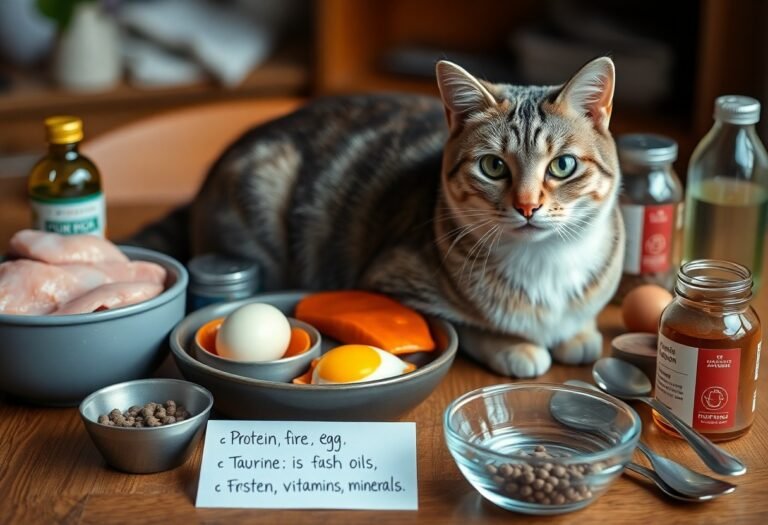
Raw organ meat plays a critical role, so include 10% by weight in the form of liver and 5% as heart, both rich in natural taurine and important vitamins. These components support heart function and vision, two systems highly dependent on consistent taurine intake. Always source from reputable suppliers to reduce the risk of bacterial contamination.
Once meats are measured, grind them uniformly or finely chop to aid digestion, especially in older or less active cats. Mix in a precise taurine supplement-typically 500-1000 mg per pound of food-following veterinary guidance to avoid under- or over-supplementation. Store the blended base in airtight containers, labeling each with preparation date and contents.
Cooking Methods for Sensitive Stomachs
Cooking transforms raw ingredients into a gentler form, ideal for cats with digestive sensitivities or a history of gastrointestinal upset. Poaching is one of the safest techniques-submerging meat in simmering water preserves moisture while eliminating pathogens without added fats or oils. This method maintains protein structure better than boiling, reducing the chance of nutrient loss.
Steaming is another excellent option, particularly for cats transitioning from commercial wet food. The gentle heat penetrates evenly, making proteins easier to break down while retaining more taurine than high-heat frying or grilling. Use a stainless steel basket over boiling water and avoid seasoning or broth, which can irritate delicate systems.
After cooking, always cool the food to room temperature before serving. Sudden temperature changes can cause digestive stress, even with mild ingredients. Portion immediately and refrigerate leftovers within two hours to prevent spoilage.
For cats with chronic digestive issues, cooked meals may offer more consistent tolerance than raw diets, even when both are properly balanced. Heat alters protein folding, which some sensitive systems recognize more easily, reducing inflammation and improving nutrient absorption over time.
Precise Supplementation Techniques

Accurate taurine supplementation is imperative when preparing homemade cat food, as even slight deviations can impact your cat’s heart and vision health. Taurine is not produced in sufficient amounts by cats, so it must be included in every meal.
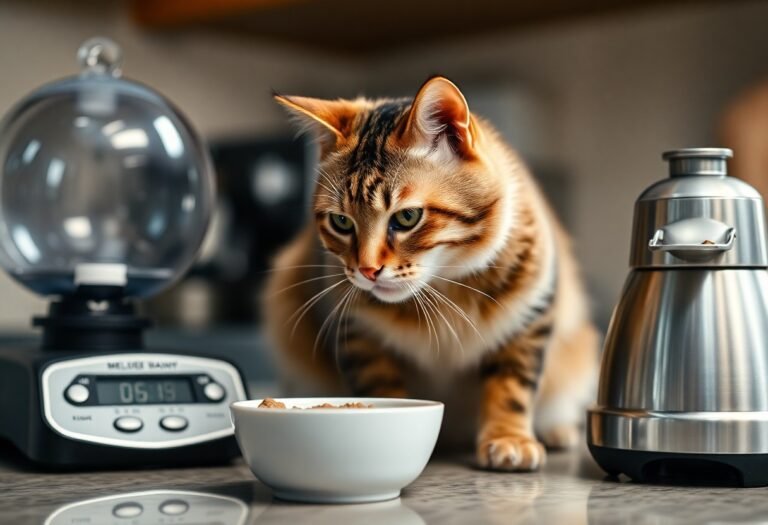
Using a digital microgram scale ensures you’re adding the correct dosage-typically 250 to 500 mg per 8-ounce portion of food, depending on your cat’s size and health needs. Estimating by volume or using kitchen spoons leads to inconsistent dosing and potential deficiencies.
Measuring Taurine Powder
Consistency begins with how you measure taurine powder. A high-precision scale that reads in milligrams is non-negotiable for accuracy. Place a small weighing boat or wax paper on the scale, tare it to zero, then slowly dispense the powder until you reach the exact amount your recipe requires.
Even a 50 mg shortfall over several meals can accumulate into a deficiency over time. Store the taurine in a cool, dry place away from light to preserve its potency. Always double-check the label of your supplement to confirm it’s pure taurine without fillers. Your cat relies on your diligence-each pinch matters more than you might think.
Adding Necessary Fats and Minerals
Balanced nutrition extends beyond taurine. Cats need specific animal-based fats like those from chicken fat or fish oil to absorb fat-soluble vitamins and support skin and coat health. Omega-3 and omega-6 fatty acids must be included in proper ratios to reduce inflammation and support brain function.
Equally important are imperative minerals such as calcium, phosphorus, and iodine, often missing in raw meat-only diets. These are typically added via bone meal, eggshell powder, or commercial feline mineral blends. Without them, even taurine-rich meals fall short of complete nutrition.
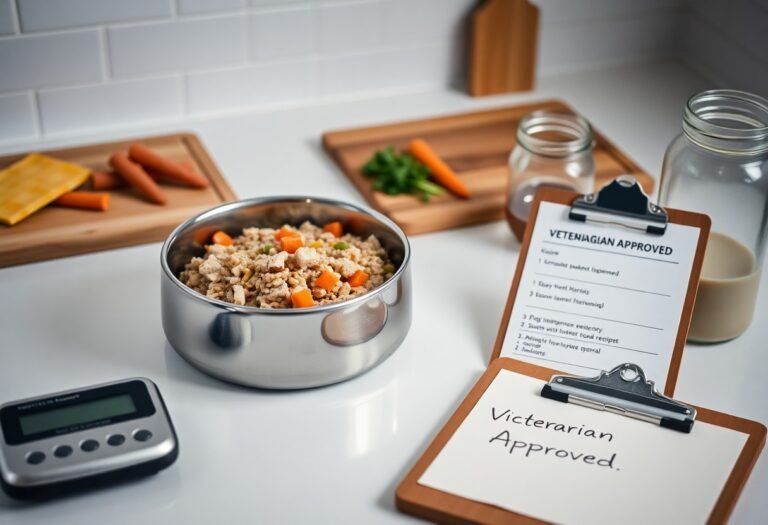
Minerals and fats work synergistically with taurine to support metabolic and neurological functions. For example, vitamin E must accompany added fats to prevent oxidative damage, while calcium balance prevents skeletal issues. Always follow a veterinarian-approved recipe that accounts for these components holistically.
Final Words
On the whole, preparing homemade cat food with proper taurine supplementation places you in full control of your cat’s nutrition. You know exactly what goes into each meal, avoiding fillers and artificial ingredients commonly found in commercial products. Taurine, an imperative amino acid cats cannot produce on their own, must be included consistently to support heart function, vision, and overall health.
You are responsible for ensuring every recipe meets feline dietary needs. Simply adding meat isn’t enough-taurine degrades with heat and varies between animal sources, so relying on supplementation is often necessary. Following vet-approved recipes and using precise measurements keeps your cat safe from deficiencies that could lead to serious conditions.
Your commitment to homemade meals reflects deep care, but accuracy and consistency matter most. Work with your veterinarian to tailor recipes and verify nutrient balance. When done correctly, feeding your cat homemade food with proper taurine support can contribute to a longer, healthier life.