
How Much to Feed a Kitten – Age-by-Age Feeding Chart

Proper nutrition during the first year of life plays a critical role in a kitten’s growth, development, and long-term health. Kittens need significantly more calories, protein, and nutrients than adult cats to support rapid growth, strong bones, healthy muscles, and a developing immune system. However, many new cat owners are unsure how much food a kitten actually needs and how feeding amounts should change as their kitten grows.
The right feeding schedule depends on your kitten’s age, weight, activity level, and the type of food being offered. In this age-by-age feeding chart, you’ll learn how much to feed a kitten from weaning through adulthood, recommended meal frequencies, portion guidelines, and practical tips to help your kitten grow into a healthy adult cat.
The Nursing Phase

During the first few weeks of life, your kitten relies entirely on milk for nourishment, whether from its mother or a suitable substitute. This nursing phase is foundational for growth, immune development, and bonding. Newborns nurse frequently, every 1-2 hours, responding to their tiny stomachs and rapid metabolism. You’ll notice steady weight gain when feeding is adequate, typically doubling birth weight within the first week.
By the second week, kittens begin to open their eyes and become more aware of their surroundings, but their dietary needs remain unchanged. The mother’s milk provides important antibodies and balanced nutrition that support organ development and muscle growth. As days pass, nursing sessions may shorten slightly, but frequency remains high to sustain energy demands.
Most kittens begin showing interest in their environment by week three, but they still depend on milk. Around this time, natural weaning processes may quietly begin. Watch for signs like increased curiosity about solid textures or mimicking adult cats. These subtle behaviors signal the start of the transition, even if full weaning is still weeks away.
Natural weaning timelines
Weaning typically starts between 3 to 4 weeks of age, even if it’s not immediately obvious. Your kitten may begin nudging or pawing at food bowls, sniffing solid food, or playing with dampened kibble. These instinctive actions are nature’s way of preparing them for dietary change. The process is gradual, designed to ease digestion and support independence.
By 5 to 6 weeks, most kittens are actively exploring solid foods while still nursing. This overlap ensures they receive complete nutrition while adapting to new textures. You’ll likely see them chewing and spitting out food at first-this is normal. Their bodies are learning to process something other than liquid.
Complete weaning usually occurs by 8 weeks of age. At this stage, kittens consume solid food regularly and nurse less frequently. Some may continue occasional nursing for comfort, but nutritionally, they no longer depend on milk. This timeline mirrors natural feline development and supports healthy growth without rushing the process.
Milk replacement options
When mother’s milk isn’t available, a high-quality kitten milk replacer is important. Cow’s milk is not suitable-it lacks proper nutrients and can cause digestive upset. Commercial milk replacers are formulated to match the protein, fat, and calorie levels kittens need for strong development. Always choose a product specifically labeled for kittens.
Feeding frequency matters just as much as formula choice. Newborns require feeding every 2-3 hours, including overnight, to maintain blood sugar. Use a proper kitten bottle or syringe to avoid aspiration, and keep the kitten warm during and after feeding. Chilled formula or improper technique can lead to complications.
Follow the manufacturer’s mixing instructions precisely-too much water dilutes nutrients, while too little can cause dehydration. As your kitten grows, you’ll gradually reduce feedings and introduce transitional foods. Never rush this phase; consistency supports steady weight gain and healthy organ function.
It’s important to monitor stool consistency and energy levels when using milk replacers. Loose stools or lethargy may indicate formula intolerance or incorrect preparation. If issues persist, consult your veterinarian to adjust the feeding plan or switch formulas. Proper hydration and digestion are key during this fragile stage.
The Two to Six Month Chart
Daily Portion Sizes
As your kitten enters the two to six-month window, their nutritional needs shift rapidly with growth spurts. You’ll typically feed between ½ to 1 cup of high-quality kitten food per day, split into multiple meals. The exact amount depends on their breed, activity level, and metabolism-smaller breeds may need less, while larger or more energetic kittens require more fuel.
Your kitten’s weight is the best guide for adjusting portions. A healthy gain of about 0.5 to 1 pound per month is expected, and consistent weight tracking helps prevent overfeeding. Always refer to the feeding guidelines on your kitten food packaging as a starting point, then fine-tune based on your vet’s recommendations and your kitten’s body condition.
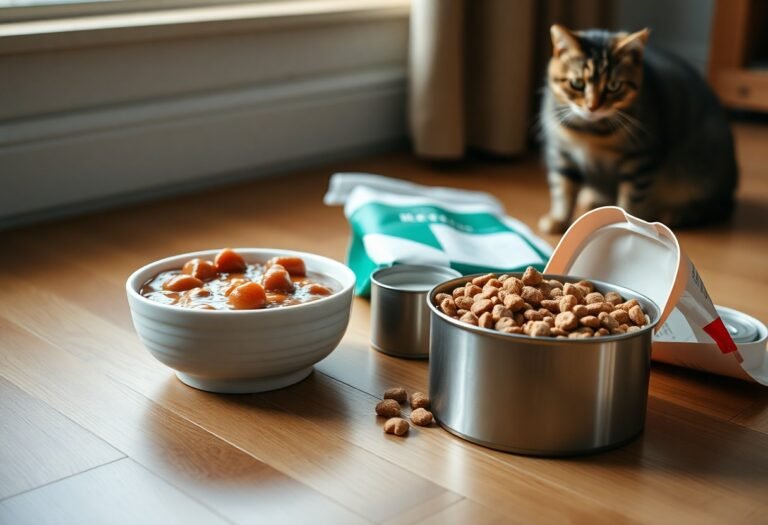
Wet food can complement dry kibble during this stage, contributing to hydration and palatability. If mixing both, account for calories from each to avoid excess intake. Watch for signs of fullness-your kitten should have a visible waist and palpable ribs without excess fat.
Frequency of the Bowl
Feeding your kitten three to four times a day supports their fast metabolism and small stomach capacity. This routine ensures a steady supply of energy and nutrients without overwhelming their digestive system. Frequent meals also mimic natural eating behaviors, reducing hunger-related irritability.
By four months, you might notice your kitten showing more interest in scheduled feeding times. Their body begins adapting to routine, making it easier to transition from free-feeding to timed meals. Stick to consistent intervals-morning, midday, afternoon, and evening work well for most households.
As your kitten approaches six months, you can gradually reduce to three meals daily if they’re thriving. Monitor energy levels and stool quality to assess if the feeding frequency still meets their needs. Consistency here builds healthy eating habits that last into adulthood.
Establishing a predictable feeding rhythm not only supports digestion but also strengthens your bond. Your kitten learns to associate your presence with care and nourishment, making mealtimes a moment of connection.
The Six Month to One Year Span

Between six months and one year, your kitten transitions into a young cat, and their nutritional needs shift accordingly. Growth begins to slow, but they still require high-quality protein and crucial nutrients to support muscle development and overall health. Most kittens at this stage can move to two meals per day, though some active or larger-breed cats may benefit from three smaller feedings. Always follow feeding guidelines on your chosen food, adjusting based on your cat’s body condition and energy levels.
This is also the time to consider spaying or neutering, which can affect metabolism and appetite. After the procedure, your cat may need slightly fewer calories to avoid weight gain. Monitor their body shape closely-ideally, you should be able to feel their ribs without pressing hard, and they should have a visible waist when viewed from above. Consult your vet if you’re unsure whether their current intake is appropriate.
Feeding isn’t one-size-fits-all, even within this age range. Individual factors like breed, environment, and personality play a role in how much your cat needs. A playful Bengal may burn more calories than a laid-back Ragdoll, requiring a tailored approach. Stay observant and flexible, adjusting portions as needed to maintain a lean, healthy frame.
Adjusting for activity levels
High-energy kittens who zoom around the house or love interactive play may need more fuel than their calmer peers. If your young cat is always on the move, watch for signs they’re burning extra calories-like finishing meals quickly or acting hungry between feedings. In these cases, slightly increasing portion size or offering a calorie-dense food can help meet their needs without overfeeding.
On the flip side, less active kittens-especially those living indoors with limited stimulation-require fewer calories. A sedentary lifestyle combined with standard portions can lead to excess weight gain. You might notice your cat napping more than playing or showing little interest in toys. For these cats, sticking to the lower end of feeding recommendations is often best.
Your cat’s daily routine gives clues about their energy expenditure. Cats who chase toys, climb cat trees, or explore supervised outdoor spaces use more energy than those who mostly lounge. Matching food intake to actual activity helps prevent both underfeeding and overfeeding, supporting long-term health.
Avoiding the fat cat
Weight gain during this stage is common, especially after spaying or neutering, when metabolism slows. Excess weight in young cats increases the risk of diabetes, joint problems, and heart disease later in life. Keeping your cat lean now sets them up for a healthier adulthood. Portion control and regular weigh-ins are your best tools.
Free-feeding dry food often leads to overeating, even in active kittens. Measured meals help you track intake and adjust as needed. If your cat seems hungry between meals, try increasing playtime instead of food-mental and physical stimulation can reduce food-seeking behavior. Puzzle feeders also slow eating and provide enrichment.
Body condition scoring is more reliable than the scale alone. Run your hands along your cat’s sides: you should feel a thin layer of fat over the ribs, not a thick cushion. From above, their midsection should taper inward, not bulge. When in doubt, ask your vet to assess their weight during checkups.
Preventing obesity isn’t about restriction-it’s about balance. A cat who maintains a healthy weight through their first year is far less likely to struggle with weight issues as an adult. Focus on quality nutrition, portion awareness, and daily activity to keep your growing cat strong, agile, and fit.
The Selection of the Diet
Choosing the right diet for your kitten sets the foundation for lifelong health. Commercial kitten foods are formulated to meet the specific nutritional demands of rapid growth, but not all options are created equal. You’ll need to assess ingredient quality, nutrient balance, and your kitten’s individual needs when making a decision. Always look for foods labeled as “complete and balanced” for kittens according to AAFCO standards. These ensure your kitten receives the crucial vitamins and minerals necessary during this critical stage.
Raw versus canned choices
Raw diets have gained popularity among pet owners seeking a more “natural” feeding approach. Proponents argue that raw meat, bones, and organs closely mimic what cats would eat in the wild. While some kittens thrive on well-formulated raw diets, they carry risks like bacterial contamination and nutritional imbalances if not properly balanced.
Canned food offers a convenient and generally safe alternative, with high moisture content that supports hydration. Most commercial canned kitten foods are nutritionally complete and easy to digest. You’ll find a wide variety of textures and flavors, making it easier to cater to picky eaters.
Your choice between raw and canned should factor in time, budget, and your kitten’s health. Raw feeding demands careful planning and hygiene, while canned food provides consistency and peace of mind. Consult your veterinarian before making a final decision.
The role of protein
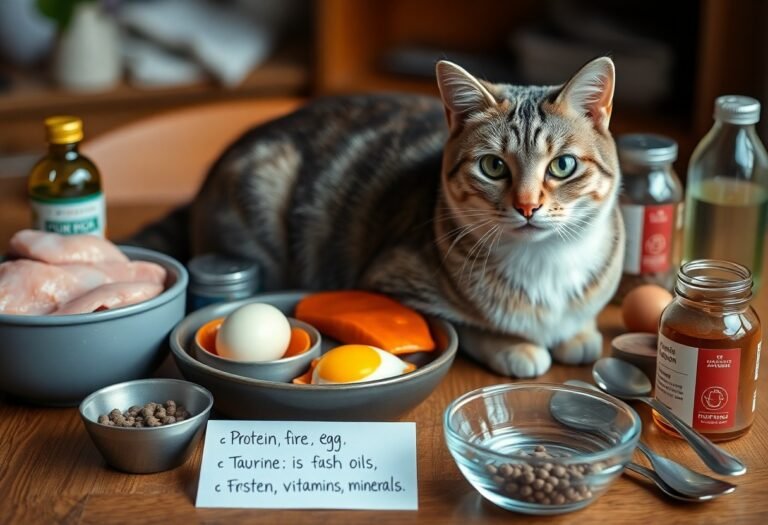
Protein fuels your kitten’s rapid development, supporting muscle growth, tissue repair, and a strong immune system. Kittens require more protein than adult cats because they’re growing quickly. High-quality animal-based proteins like chicken, turkey, and fish should be the primary ingredients in their food.
Not all proteins are equally digestible or effective. Plant-based proteins lack certain crucial amino acids, such as taurine, which cats cannot synthesize on their own. A deficiency in taurine can lead to serious heart and vision problems. Always ensure animal-sourced proteins dominate the ingredient list.
Feeding a protein-rich diet aligns with your kitten’s biological needs as an obligate carnivore. Their bodies are designed to thrive on meat, not fillers or carbohydrates. Prioritize foods where real meat is the first ingredient to support optimal growth.
Protein isn’t just about quantity-it’s about quality and bioavailability. Your kitten’s body must be able to absorb and use the amino acids effectively. That’s why whole meat sources outperform by-products or unnamed meat meals. Watch how your kitten responds to different protein sources, noting energy levels, coat condition, and digestion. Adjust as needed to find the best fit for their unique metabolism.
Conclusion
Drawing together the key points of kitten nutrition, you now have a clear guide to support healthy growth at every stage. From birth to twelve weeks, frequent small meals of mother’s milk or formula meet your kitten’s high energy demands. As they transition to solid food between four and six weeks, you adjust portion sizes and feeding frequency to match their developing digestive system.
Between eight weeks and six months, your kitten thrives on three to four balanced meals daily, with portion amounts based on weight and activity level. High-quality kitten food provides the protein and nutrients imperative for bone and brain development. After six months, you gradually reduce feedings to twice a day, aligning with their slowing growth rate and increasing stomach capacity.
You play the central role in monitoring your kitten’s body condition and adjusting food intake as needed. Regular vet checkups ensure growth stays on track. By following this age-by-age feeding chart, you give your kitten the best foundation for a long, healthy life.