
Cat Nutrition Guide – Essential Nutrients Every Cat Needs

Proper nutrition is the foundation of a healthy and active life for every cat. As obligate carnivores, cats have unique dietary requirements that differ significantly from those of dogs and humans. They rely on specific nutrients from animal-based foods to support muscle growth, energy production, immune function, heart health, vision, and overall well-being.
Understanding the essential nutrients your cat needs can help you make better feeding decisions and avoid common nutritional deficiencies. In this guide, we’ll explore the key nutrients required in a balanced feline diet, including protein, taurine, fats, vitamins, minerals, and hydration, along with why each plays a vital role in your cat’s health.
The Fundamentals: Essential Nutrients for Feline Health

Cats rely on a precise balance of nutrients to maintain optimal health, and understanding these core components helps you make informed feeding choices. As obligate carnivores, their bodies are designed to extract nutrients primarily from animal tissues, making diet composition especially important. You’ll need to ensure their food supplies all the important building blocks for energy, tissue repair, immune support, and metabolic regulation.
Each nutrient plays a distinct role in sustaining your cat’s daily functions and long-term well-being. Unlike omnivores, cats cannot adapt to nutritional gaps or synthesize certain compounds on their own. This biological reality means their diet must consistently deliver specific amino acids, fatty acids, vitamins, and minerals in bioavailable forms. Meeting these needs supports everything from organ function to healthy aging.
Commercial cat foods vary widely in quality, so reading labels and understanding ingredient sources is key. Look for formulations that align with feline physiology rather than convenience or marketing trends. Your cat’s energy levels, coat condition, and overall vitality often reflect how well their diet meets these fundamental nutritional requirements.
The Role of Animal-Based Proteins and Amino Acids
Protein forms the foundation of your cat’s diet, and animal-based sources provide the complete amino acid profile they require. Muscle, organs, and connective tissues from prey animals supply taurine, arginine, methionine, and other important amino acids cats cannot produce in sufficient amounts. These compounds support heart function, vision, immune response, and tissue maintenance.
Your cat’s digestive system is optimized for breaking down animal protein efficiently, extracting maximum nutritional value from meat. Plant proteins lack certain amino acids and are poorly utilized, making them inadequate as primary protein sources. Feeding diets rich in high-quality animal protein aligns with your cat’s natural dietary needs.
Taurine deficiency, for example, can lead to serious health issues like dilated cardiomyopathy and retinal degeneration. Since cats don’t synthesize taurine well, it must be present in adequate levels in every meal. Choosing foods with named animal protein sources-like chicken, turkey, or fish-helps ensure consistent intake of this critical nutrient.
Essential Fatty Acids for Skin and Coat Health
Fatty acids like omega-3 and omega-6 play a direct role in maintaining your cat’s skin integrity and coat shine. These fats support the skin’s natural barrier, reducing dryness, flakiness, and susceptibility to irritation. A balanced ratio of these nutrients helps regulate inflammation and promotes a soft, resilient coat.
Your cat cannot produce linoleic acid (an omega-6) or alpha-linolenic acid (an omega-3) on their own, so they must come from food. Fish oils, poultry fat, and certain animal tissues are rich sources that provide EPA and DHA-omega-3s with potent anti-inflammatory effects. Regular intake contributes to reduced shedding and fewer skin allergies.
Too much omega-6 without sufficient omega-3 can promote inflammation, so balance matters. High-quality commercial diets typically include adjusted ratios, but supplements may help cats with chronic skin conditions. Always consult your veterinarian before adding oils or supplements to your cat’s routine.
Omega-3 fatty acids, particularly EPA and DHA from marine sources, have been shown to support not only skin and coat health but also joint function and cognitive performance in aging cats. Their anti-inflammatory properties can ease symptoms in cats with dermatitis or allergic reactions, making them a valuable addition to therapeutic diets. Since cats have limited ability to convert plant-based ALA into active forms, direct sources like fish oil are far more effective. Including these fats in your cat’s daily meals can lead to noticeable improvements in skin hydration and fur texture within weeks.
Necessary Vitamins and Minerals for Metabolic Function
Vitamins and minerals act as co-factors in countless biochemical reactions that keep your cat’s body running smoothly. From nerve signaling to energy production, these micronutrients enable processes that sustain life at a cellular level. Cats require specific forms of certain vitamins-like preformed vitamin A from liver-because they can’t convert plant-based precursors efficiently.
Your cat needs B-complex vitamins for carbohydrate and protein metabolism, with thiamine and niacin playing especially important roles. Deficiencies can lead to appetite loss, neurological issues, or anemia. Minerals like calcium, phosphorus, and magnesium support bone health, muscle contraction, and enzyme activity, requiring a precise balance to prevent imbalances.
While commercial diets are typically fortified, homemade or raw diets may lack adequate micronutrient levels unless carefully formulated. Over-supplementation can be just as harmful as deficiency, particularly with fat-soluble vitamins like D and E. Working with a veterinary
Evaluating Food Types: Wet, Dry, and Raw Options
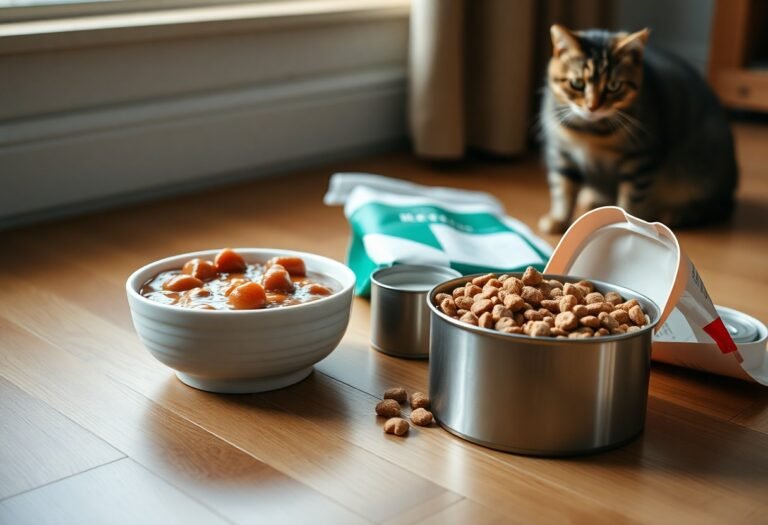
- Wet food typically contains 70-80% moisture, supporting hydration and kidney health.
- Dry kibble offers convenience and dental benefits but often lacks sufficient water content.
- Raw diets aim to mimic a cat’s natural prey-based intake but require careful handling and formulation.
- Each food type varies in nutrient density, shelf life, and palatability.
- Combining food types can balance nutritional benefits and meet individual cat needs.
| Food Type | Key Characteristics |
| Dry Kibble | Low moisture, high caloric density, convenient storage |
| Wet Food | High water content, enhanced palatability, shorter shelf life |
| Raw Diets | Uncooked ingredients, potential pathogen risk, species-appropriate profile |
| Hybrid Feeding | Mix of wet and dry, supports hydration and dental health |
Benefits and Limitations of Commercial Kibble
Cats on dry food benefit from its long shelf life and ease of portion control. Many kibble formulas are designed to reduce plaque through mechanical abrasion as your cat chews. Manufacturers often fortify these diets to meet AAFCO nutrient standards, ensuring baseline nutritional adequacy.
However, most kibble contains only 10-12% moisture, which may contribute to chronic dehydration if your cat doesn’t drink enough water. Low moisture intake over time can increase the risk of urinary tract issues, especially in predisposed individuals. High carbohydrate levels in some formulas also deviate from a cat’s natural low-carb metabolic needs.
Hydration Advantages of Canned and Wet Food
Wet food delivers moisture in every bite, helping your cat maintain proper fluid balance without relying solely on drinking. Since many cats have a low thirst drive, this built-in hydration supports kidney and urinary tract function. You’ll often notice increased urine volume and reduced concentration in cats fed primarily wet diets.
Higher water content also means lower caloric density per gram, which can help manage weight in less active cats. The texture and aroma of wet food tend to appeal more to picky eaters, encouraging consistent intake. This is especially helpful for kittens, seniors, or cats recovering from illness.
The moisture-rich composition of canned food reduces strain on the kidneys over time. One additional benefit of wet food is its ability to slow the progression of chronic kidney disease in aging cats by promoting dilute urine and reducing crystal formation.
Safety and Nutritional Considerations of Raw Feeding
Raw diets often include muscle meat, organs, and bones meant to reflect what cats would consume in the wild. Proponents argue that raw feeding supports healthier coats, cleaner teeth, and improved digestion. These diets are typically low in carbohydrates and high in animal-based proteins, aligning closely with feline physiology.
Yet raw food carries risks of bacterial contamination like Salmonella or E. coli, which can affect both cats and humans in the household. Improperly balanced raw meals may lack necessary nutrients such as taurine or calcium, leading to long-term health issues. Commercially prepared raw options are more consistent but still require safe handling practices.
The nutritional completeness of raw diets depends heavily on formulation accuracy. One overlooked aspect of raw feeding is the potential for nutritional gaps when homemade recipes aren’t vet-approved, increasing the risk of deficiencies even if the diet appears natural.
Critical Factors Influencing Dietary Requirements
Cats have unique nutritional needs that shift based on several key factors beyond basic nutrient profiles. Age, activity level, health status, and reproductive condition all play a role in shaping what your cat should eat. Understanding these variables helps you tailor meals that support long-term wellness and prevent diet-related issues.
Each cat metabolizes nutrients differently depending on life stage, physical condition, and daily routine. A one-size-fits-all approach to feeding often leads to deficiencies or excesses that compromise health. Customizing your cat’s diet ensures they receive the right balance of proteins, fats, vitamins, and minerals.
Below are some of the most influential factors to consider when planning your cat’s meals:
- Life stage-kittens, adults, and seniors each require different energy and nutrient levels.
- Activity level-highly active cats need more calories, while sedentary ones require portion control.
- Health conditions-kidney disease, diabetes, or obesity alter dietary needs.
- Reproductive status-pregnant or nursing cats demand increased protein and calories.
- Body condition-ideal weight maintenance depends on accurate calorie assessment
After evaluating these elements, you can make informed decisions that align with your cat’s current lifestyle and physiology.
Impact of Life Stage: Kitten, Adult, and Senior Needs
Kittens grow rapidly during their first year, demanding high levels of protein, fat, and vital amino acids like taurine to support muscle, brain, and eye development. Their small stomachs require frequent meals packed with concentrated nutrients to fuel this intense growth phase. Feeding a diet specifically formulated for kittens ensures they receive the energy and building blocks necessary for healthy development.
Adult cats, once growth slows, need a balanced diet that maintains muscle mass and supports immune function without excess calories. Their metabolism stabilizes, so nutrient intake should match activity levels to prevent weight gain. A consistent feeding routine with high-quality protein sources helps sustain energy and organ health throughout adulthood.
Senior cats often face reduced kidney function, joint issues, and slower digestion, requiring diets lower in phosphorus and higher in digestible proteins and joint-supporting compounds like omega-3s. Hydration becomes more important as older cats are prone to dehydration. After adjusting for age-related changes, you can help your senior cat remain active and comfortable in their later years.
Activity Levels and Weight Management Strategies
Active cats burn more energy chasing toys, climbing, or exploring, requiring calorie-dense meals rich in animal-based protein to sustain stamina and lean muscle. Indoor cats with limited movement need fewer calories, and unrestricted feeding can quickly lead to excess weight. Matching food portions to actual energy output prevents obesity and related health complications.
Weight management isn’t just about cutting calories-it’s about maintaining muscle while reducing fat. Simply feeding less can cause muscle loss, weakening your cat’s strength and metabolism. Opt for high-protein, moderate-fat diets with controlled portions, and incorporate interactive feeding methods to encourage movement and mental engagement.
Regular weigh-ins and body condition scoring help track progress without relying solely on the scale. After establishing a baseline, small adjustments in portion size or feeding frequency can keep your cat at a healthy weight long term.
Monitoring your cat’s activity throughout the day gives insight into their energy expenditure. Cats that engage in play sessions, climb shelves, or have outdoor access typically require more fuel than those who spend most of the day resting. Adjusting meals based on observed behavior ensures they receive enough nutrition without overfeeding, supporting both physical health and metabolic balance.
Step-by-Step Transitioning to a New Diet
| Method | Description |
| Gradual Mixing | Slowly blend increasing amounts of new food with decreasing portions of the old over 7-10 days. |
| Stool & Appetite Check | Monitor for changes in bowel movements, energy levels, and willingness to eat. |
| Full Transition | After a successful adjustment period, feed only the new diet as directed. |
The Gradual Mixing Method to Prevent Digestive Upset
Your cat’s digestive system thrives on consistency, making sudden food changes risky for causing diarrhea or vomiting. Start by mixing 25% of the new food with 75% of the current diet for the first two to three days. This small introduction allows gut bacteria to adapt without distress.
You’ll notice your cat may sniff more or eat slower at first-this is normal. Over the next few days, shift the ratio to 50% new and 50% old, watching closely for any signs of refusal or discomfort. Extending this phase slightly can help sensitive cats adjust more smoothly.
By days 6-7, increase the new food to 75%, reducing the old to 25%. If your cat eats well and has firm stools, complete the switch by day 10. Skipping steps may save time but often leads to setbacks that prolong the process.
Monitoring Behavioral and Physical Responses
Your cat’s reaction to new food goes beyond just eating-it includes energy levels, litter box habits, and overall demeanor. Watch for increased lethargy, excessive grooming, or hiding, as these may signal discomfort. A healthy transition should not alter your cat’s usual personality.
Bowel movements are one of the clearest indicators of digestive tolerance. Soft stools or frequent trips to the litter box suggest the change is too fast. On the other hand, consistent, well-formed stools mean the new food is agreeing with your cat.
Appetite fluctuations are common, but a complete refusal lasting more than 24 hours needs attention. Cats can develop hepatic lipidosis if they stop eating, so never force a switch. Patience ensures safety and long-term acceptance.
Tracking these responses daily helps you make informed decisions. Use a simple log to note food intake, stool quality, and behavior-this record becomes invaluable if you need to consult your veterinarian. Small changes matter, and your attention supports a smooth dietary shift.
Expert Tips for Optimal Feeding and Hydration

Cats thrive on predictability, especially when it comes to meals. A consistent feeding schedule supports their metabolism and helps prevent overeating or begging behaviors. Most adult cats do well with two measured meals per day, spaced roughly 12 hours apart, though some may benefit from smaller, more frequent feedings.
Timing meals rather than leaving food out all day encourages healthy digestion and allows you to monitor appetite-any sudden disinterest could signal an underlying issue. Portion control is equally important; follow feeding guidelines based on your cat’s weight and activity level, adjusting as needed. Your veterinarian can help determine the ideal amount and frequency tailored to your cat’s life stage and health status.
Establishing routines also strengthens the bond between you and your cat. They learn to anticipate mealtimes, reducing anxiety and attention-seeking behaviors. Avoid sudden changes in food type or schedule, as this can lead to digestive upset. If a transition is necessary, do so gradually over 7-10 days by mixing increasing amounts of the new food with the old. Consistency doesn’t mean rigidity-occasional treats are fine, but they should make up no more than 10% of daily intake. Sticking to a reliable pattern supports long-term health and makes it easier to spot when something’s off.
Recognizing subtle shifts in eating habits gives you early insight into potential health concerns. Watch for signs like hesitation at the bowl, chewing discomfort, or changes in speed of eating. These behaviors may point to dental issues, gastrointestinal discomfort, or stress. Keeping a feeding log can help track patterns and provide useful information during vet visits. A dependable routine isn’t just about timing-it’s a cornerstone of proactive feline care.
Encouraging Water Intake Through Innovative Methods
Water is crucial for kidney function, digestion, and overall cellular health in cats, yet many don’t drink enough. Their natural instinct stems from ancestors who obtained moisture from prey, making them less inclined to seek out standing water. To counter this, consider introducing a cat water fountain, which mimics the movement of fresh, flowing water and often piques feline curiosity. The gentle sound and motion can encourage more frequent drinking, especially in multi-cat households where some cats may feel hesitant to approach shared bowls.
Placing multiple water stations throughout your home increases accessibility and reduces territorial hesitation. Use wide, shallow bowls made of stainless steel or ceramic to prevent whisker stress and bacterial buildup. Some cats prefer drinking from unusual spots-try offering water in a clean sink or bathtub after use, or place ice cubes in their bowl for sensory appeal. Rotating locations every few days can spark renewed interest and prevent stagnation.
Recognizing that hydration isn’t just about availability but also appeal can transform your cat’s fluid intake. Wet food is another powerful tool, as it contains up to 80% moisture compared to dry kibble’s 10%. Mixing wet and dry food, or adding warm water or low-sodium broth to meals, boosts hydration without altering diet drastically. These small adjustments can have a big impact on urinary and kidney health over time.
Expanding on innovative hydration strategies, consider your cat’s personality and preferences. Some respond well to interactive puzzle feeders that dispense water, while others may enjoy drinking from a dripping tap. Experimentation is key-observe what draws your cat in and replicate that environment. Even the temperature of the water can matter; slightly cool or room-temperature water is often more appealing than cold. By tailoring your approach, you create a hydration-friendly home that supports long-term wellness.
Identifying Common Toxic Foods and Nutritional Deficiencies
Many human foods pose serious risks to cats, even in small amounts. Onions, garlic, chocolate, grapes, and caffeine are all toxic and can lead to organ damage or failure. Xylitol, a common sweetener in sugar-free products, is especially dangerous and can cause rapid drops in blood sugar. Alcohol and raw dough are equally hazardous.
These substances interfere with normal metabolic processes, and symptoms like vomiting, lethargy, or difficulty breathing require immediate veterinary attention. Always keep such items securely stored and out of reach.
Nutritional deficiencies often arise when cats are fed homemade, vegetarian, or unbalanced diets. Taurine deficiency, for example, can lead to heart disease and vision loss, as cats cannot synthesize this amino acid on their own.
Lack of arachidonic acid, vitamin A, or proper calcium-to-phosphorus ratios also causes serious health issues. Commercial cat foods formulated to meet AAFCO standards are designed to prevent these imbalances. If you choose to prepare meals at home, consult a veterinary nutritionist to ensure completeness.
Conclusion
You now understand the core nutrients your cat must have to thrive. A balanced diet for your feline includes high-quality animal-based proteins, vital amino acids like taurine, and adequate levels of fats such as arachidonic acid. These components support heart function, vision, immune response, and overall energy.
Your cat cannot produce certain nutrients on its own, making their presence in food non-negotiable. Vitamins A, D, E, and B-complex, along with minerals like calcium and phosphorus, play specific roles in maintaining healthy bones, skin, and metabolic processes. Water remains the most overlooked yet fundamental part of your cat’s daily intake, especially for those on dry food diets.
Choosing the right food means reading labels and understanding ingredient quality. Your consistent attention to proper nutrition directly influences your cat’s lifespan and quality of life. You hold the power to prevent deficiencies and promote long-term well-being through informed feeding choices.