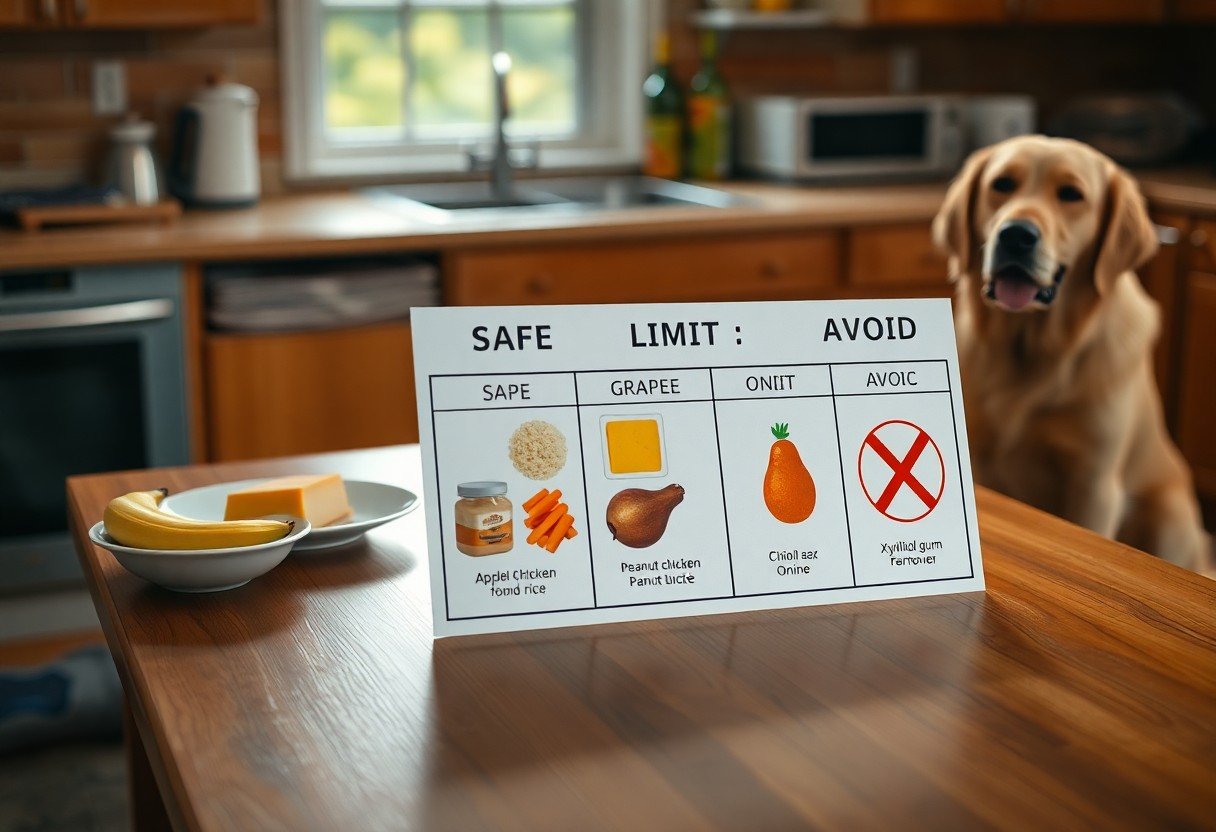
What Can Dogs Eat – The Complete Human Food Safety Guide

Not all human foods are safe for dogs. While some fruits, vegetables, and lean proteins can be healthy additions to a dog’s diet, others can cause digestive upset, nutritional imbalances, or even serious poisoning. Knowing the difference is essential before sharing food from your plate.
This complete guide explains which human foods dogs can safely eat, which foods should be avoided, and how to serve safe treats in appropriate portions. Whether you’re looking for healthy snack ideas or want to check if a specific food is safe, this guide will help you make informed choices for your dog’s health.
Essential Factors in Canine Dietary Safety
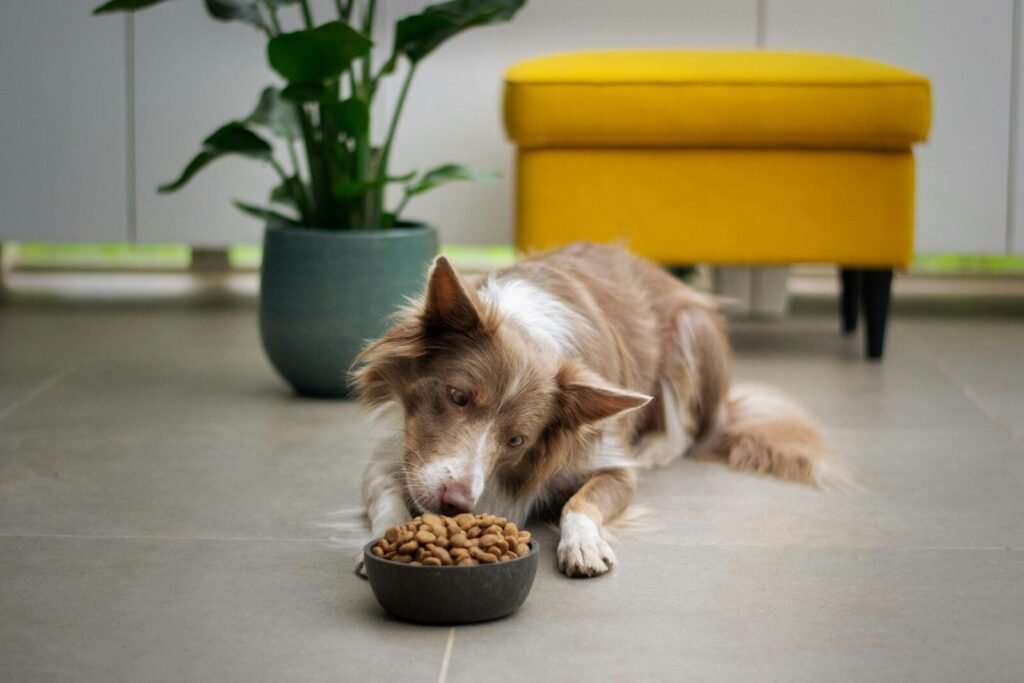
- Not all human foods are safe for dogs, even in small amounts.
- Dogs process nutrients and toxins differently than people.
- Portion size and breed-specific metabolism play key roles in dietary safety.
- Some ingredients safe for humans can be toxic to dogs.
- Always consider your dog’s age, weight, and activity level before offering human food.
Assume that every bite you share carries consequences for your dog’s health, and approach each decision with care and awareness.
Biological differences between human and canine digestion
Dogs have a shorter digestive tract than humans, which means food passes through more quickly but with less opportunity for thorough breakdown. Their stomachs produce stronger acids, allowing them to handle raw meat and certain bacteria that would make people sick. Enzymes in a dog’s saliva differ significantly from ours, starting the digestion process later and relying more heavily on the stomach and small intestine.
Unlike humans, dogs lack certain enzymes needed to process complex carbohydrates efficiently. Their bodies are optimized for a diet higher in protein and fat, reflecting their evolutionary roots as carnivores. This affects how they metabolize everything from bread to dairy, often leading to bloating or gastrointestinal upset.
Some substances harmless to you-like xylitol or chocolate-interfere with neurological or metabolic pathways in dogs due to these physiological distinctions. Even small amounts can trigger rapid insulin release or cardiac stress. Always consider how your dog’s internal systems differ before offering a taste.
Understanding caloric density and portion control for different breeds
A Chihuahua’s daily caloric needs are a fraction of those for a Labrador, yet both might beg for the same treat. High-calorie human foods like cheese, nuts, or cooked meats can quickly exceed a small dog’s intake limit, leading to weight gain or pancreatitis. Breed-specific metabolism influences how fast those calories are processed, making portion awareness crucial.
Large breeds are prone to joint issues and bloat, conditions worsened by overeating or sudden dietary changes. Even healthy foods like sweet potatoes or peanut butter become problematic when served in excess. Monitoring portion size isn’t just about weight-it’s about long-term organ health and mobility.
Active working dogs may tolerate more human food than sedentary companions, but the principle remains: balance matters. A single tablespoon of olive oil might benefit a sled dog’s coat but overwhelm a toy breed’s system. Always scale portions to your dog’s size, energy output, and dietary needs.
Understanding caloric density and portion control for different breeds means recognizing that a “treat” for you could be a full meal for your dog. A single slice of bacon, for example, may contain nearly half the daily calories a small dog needs, packed with fat that strains the pancreas. Breeds like Beagles or Cocker Spaniels are especially prone to obesity, making measured feeding even more critical.
Even seemingly healthy options like carrots or apples must be given in moderation-too much fiber disrupts digestion. Your dog’s ideal portion depends on more than just weight; age, neuter status, and breed predispositions all shape their metabolic rate. When in doubt, consult a feeding chart tailored to your dog’s profile and err on the side of caution.
Safe Human Food Types for Daily or Occasional Consumption
- Lean proteins and approved cooked meats
- Dog-friendly fruits and vegetables
- Grains and dairy: what is permissible for your pet?
| Food Type | Safe Options |
| Proteins | Cooked chicken, turkey, lean beef, boiled eggs |
| Fruits | Apples (no seeds), bananas, blueberries, watermelon (seedless) |
| Vegetables | Carrots, green beans, cucumbers, sweet potatoes (cooked) |
| Grains & Dairy | Cooked rice, plain oatmeal, small amounts of plain yogurt |
Lean proteins and approved cooked meats
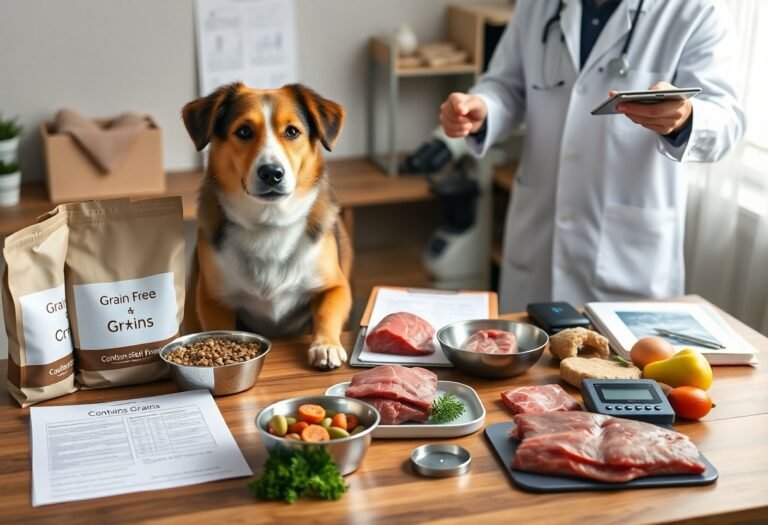
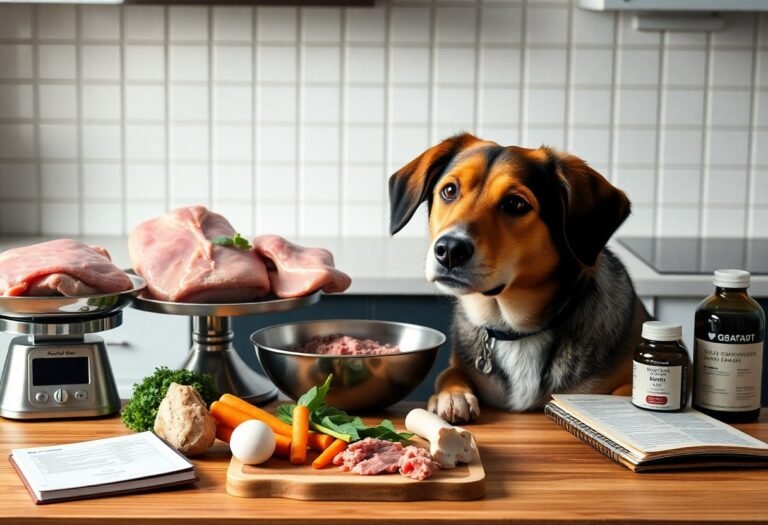
Lean proteins support your dog’s muscle development and energy levels when served in moderation. Cooked chicken, turkey, and lean cuts of beef are excellent sources, provided they’re free of seasoning, bones, and excess fat. Boiled or baked is best-avoid frying or using oils and spices that could upset your dog’s stomach.
Raw meat carries risks of bacterial contamination like salmonella, so cooking ensures safety without sacrificing nutrition. Always remove skin and visible fat, as these can contribute to pancreatitis in susceptible dogs. Small, bite-sized portions work well as treats or meal toppers.
This builds a foundation for balanced nutrition when combined with your dog’s regular diet.
Dog-friendly fruits and vegetables
Fruits and vegetables offer fiber, vitamins, and hydration in a low-calorie package your dog can benefit from. Apples (without seeds), bananas, and blueberries are safe in small amounts and often enjoyed for their natural sweetness. Watermelon, with seeds and rind removed, provides hydration on hot days.
Carrots, green beans, and cucumbers make crunchy, satisfying snacks that support dental health and weight management. Sweet potatoes, when cooked and plain, are rich in beta-carotene and gentle on digestion. Always introduce new produce slowly to monitor for any digestive upset.
This variety enhances your dog’s diet with imperative micronutrients and natural antioxidants.
Some fruits like grapes and cherries are toxic, so always verify safety before offering anything new. Stick to small portions to avoid gastrointestinal issues, especially with high-sugar fruits. When prepared correctly, these plant-based foods become nutritious supplements to your dog’s meals.
Grains and dairy: what is permissible for your pet?
Grains like cooked rice and plain oatmeal are digestible and often recommended during stomach upsets. They provide energy and can help bind loose stools when your dog is recovering from mild digestive issues. Avoid flavored instant oatmeal or rice with butter, salt, or seasonings.
Plain yogurt with live cultures can support gut health, but only if your dog tolerates lactose. Many dogs are lactose intolerant, so start with a teaspoon to assess reaction. Cheese, while tempting, should be given sparingly due to high fat and salt content.
This cautious approach ensures your dog gains benefits without digestive discomfort.
Dairy and grains aren’t necessary in every dog’s diet, but they can be useful tools when used appropriately. Monitor for gas, diarrhea, or itching after introduction, as these may signal intolerance. When in doubt, consult your veterinarian before making them regular parts of your dog’s meals.
Dangerous Ingredients and Safety Tips
Dogs rely on you to keep their meals safe, and that means knowing which human food ingredients can cause serious harm. Some common kitchen staples are quietly toxic and can lead to life-threatening conditions even in small amounts. Recognizing these dangers ahead of time helps prevent emergency vet visits and keeps your dog healthy.
- Onions in any form-raw, cooked, powdered-damage red blood cells and can cause anemia.
- Grapes and raisins, even in small quantities, may trigger sudden kidney failure.
- Garlic, though milder than onions, is still toxic and accumulates in the system over time.
This awareness protects your dog from preventable harm.
Common kitchen toxins: onions, garlic, and grapes
Onions appear in countless dishes, from soups to seasonings, but they pose a serious risk to dogs. When consumed, they break down red blood cells, leading to hemolytic anemia that can be fatal if untreated. Even small, repeated exposures-like scraps from a casserole-add up over time.
Grapes and raisins are another silent threat with no known safe threshold. Some dogs show symptoms after just a few pieces, including vomiting, lethargy, and rapid decline in kidney function. Veterinary experts still don’t fully understand why they’re toxic, but the danger is well-documented.
You might think a tiny taste won’t hurt, but these foods carry unpredictable risks. This unpredictability makes complete avoidance the only safe choice.
The hidden dangers of Xylitol and artificial sweeteners
Xylitol, a sugar substitute found in gum, toothpaste, and sugar-free snacks, causes a rapid release of insulin in dogs. Within minutes, this can lead to hypoglycemia, seizures, and liver failure. Even a small piece of sugar-free gum can be deadly.
Other artificial sweeteners like erythritol are generally safer, but products often contain mixed ingredients, making it hard to assess risk. Labels may list “natural flavors” or “sweetener blend,” hiding dangerous additives beneath vague terms.
Dogs are drawn to sweet tastes, increasing the chance they’ll eat something left on a countertop. This makes vigilance vital in homes where sugar-free products are used.
Many sugar-free products marketed to humans contain xylitol without clear warnings for pet owners. You’ll find it in breath mints, chewable vitamins, and low-carb baked goods-items that seem harmless but can be lethal. Always check ingredient lists, even on products not meant for eating, like nasal sprays or medications.
Tips for identifying “safe” vs “unsafe” processed labels
Processed human foods often contain hidden ingredients that seem harmless but aren’t dog-safe. Reading labels carefully helps you avoid accidental exposure to toxins like onion powder or xylitol. Look beyond marketing claims like “natural” or “healthy,” which don’t guarantee safety for pets.
Ingredients are listed by weight, so the first few items make up most of the product. If you see terms like “seasoning blend,” “spices,” or “flavorings,” assume they might include garlic or onion derivatives. Manufacturers aren’t required to specify which spices are used, creating a blind spot for pet owners.
When in doubt, choose whole, unprocessed foods you can verify. Thou can’t always trust packaging to tell the full story.
Understanding food labels is one of the most effective ways to protect your dog from hidden dangers. Processed foods often contain additives that aren’t immediately recognizable as harmful. Thou should always assume ambiguity favors risk when pets are involved.
- Check for “xylitol,” “onion powder,” “garlic powder,” and “grape juice concentrate” in ingredient lists.
- Avoid products with “natural flavors” or “spices” when you can’t confirm what they include.
- When sharing human food, opt for plain, single-ingredient items like boiled chicken or carrots.
Step-by-Step Guide to Introducing New Foods
| Step | Action |
| 1 | Choose a single new food item, preferably low-risk and easily digestible like plain cooked pumpkin or shredded carrots. |
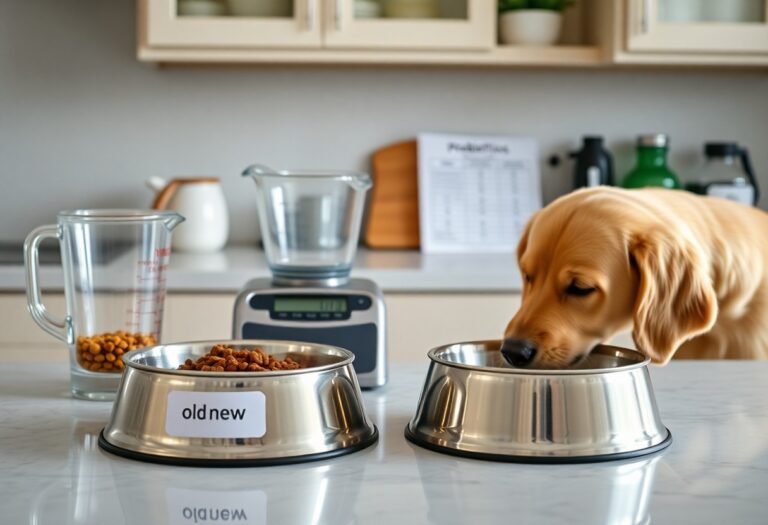
| 2 | Offer a small portion-about a teaspoon for small dogs, up to a tablespoon for larger breeds-mixed into their regular meal. |
| 3 | Wait 24 to 48 hours before introducing another new food to monitor for any adverse reactions. |
| 4 | Gradually increase the portion size only if no issues arise, keeping new foods under 10% of daily intake. |
| 5 | Keep a simple log noting the food, amount, and your dog’s response to track patterns over time. |
The 10% rule for treats and supplements
Dogs thrive on consistency in their diet, and treats or human foods should never replace balanced nutrition. You should limit extras to no more than 10% of your dog’s daily caloric intake to avoid digestive upset or weight gain. This rule applies to everything from apple slices to dental chews-each counts toward that small allowance.
Exceeding this threshold can disrupt nutrient absorption and lead to deficiencies over time. Your dog’s main food is formulated to deliver complete nutrition, and flooding their system with extras skews that balance. Even healthy foods like blueberries or boiled chicken become problematic in excess.
Sticking to the 10% guideline helps maintain metabolic health and prevents picky eating. You’ll support long-term wellness while still offering variety. Treats should enhance, not define, your dog’s diet.
Monitoring physical and behavioral reactions after feeding
Changes in your dog’s behavior or body can signal how well they tolerate a new food. Watch for signs like lethargy, restlessness, or sudden disinterest in meals after introducing something new. These shifts may seem minor but often point to discomfort or intolerance.
Physical symptoms such as vomiting, diarrhea, excessive gas, or itching require immediate attention. Your dog can’t tell you when something doesn’t agree with them, so you must be observant. A rash around the mouth or paw licking after eating could indicate an allergic response.
Tracking these reactions helps you make informed choices moving forward. You’ll learn which foods support your dog’s health and which to avoid. Consistent observation builds a clearer picture of their individual needs.
Monitoring goes beyond spotting problems-it’s about understanding your dog’s unique responses over time. Some dogs may tolerate small amounts of dairy while others react strongly, even to a lick of plain yogurt. Behavioral cues like pacing or whining after eating can be just as telling as physical symptoms.
You might notice increased energy after certain foods or sluggishness after others, revealing what fuels your dog best. This awareness turns feeding into a personalized practice, not guesswork. By paying close attention in the hours following a new food, you create a safer, more responsive diet tailored to your dog’s biology.
Pros and Cons of Supplementing Kibble with Human Food
| Pros | Cons |
| Enhances palatability and encourages picky eaters to eat | May lead to overfeeding and weight gain |
| Provides fresh nutrients not always preserved in processed kibble | Can disrupt the balanced nutrition formulated in commercial diets |
| Introduces variety, reducing dietary monotony | Some human foods are toxic to dogs (e.g., onions, grapes) |
| Strengthens the bond between pet and owner during meal prep | Increases risk of digestive upset if introduced too quickly |
| Offers mental stimulation through new textures and flavors | May encourage begging behavior at the dinner table |
| Allows owners greater control over ingredient quality | Time-consuming to prepare compared to kibble-only feeding |
| Can support dogs with specific health needs (e.g., bland diets during illness) | Potential for bacterial contamination if not handled properly |
| Encourages hydration when adding moist foods like cooked pumpkin or broth | Unintentional calorie surplus if portions aren’t adjusted |
| May improve coat and skin health with healthy fats like salmon or eggs | Difficult to ensure complete and balanced nutrition long-term |
| Supports joint health with anti-inflammatory foods like blueberries or turmeric | Cost can increase significantly with high-quality human-grade ingredients |
Nutritional benefits and mental stimulation for the animal
You give your dog more than just calories when you include safe human foods in their diet. Whole ingredients like steamed carrots, plain boiled chicken, or blueberries add vitamins, antioxidants, and fiber that complement what’s already in their kibble. These additions often contain nutrients that degrade during the high-heat processing of commercial foods, giving your pet access to fresher, more bioavailable nourishment. Your dog’s body can respond well to this dietary diversity, especially if they have sensitivities or dull energy levels.
Dogs thrive on routine, but they also benefit from sensory variety. Introducing new smells, textures, and flavors keeps mealtime engaging and mentally enriching. A spoonful of mashed sweet potato or a few slices of apple turns a predictable bowl of kibble into an experience. This kind of stimulation supports cognitive health, particularly in older dogs who may otherwise lose interest in food.
Many owners notice their pets become more enthusiastic about eating when human food is added. That excitement isn’t just about taste-it reflects a deeper engagement with their meals. When your dog licks the bowl clean with renewed interest, it’s often a sign they’re not just full, but satisfied on multiple levels.
Risks of obesity and potential nutrient imbalances
Feeding human food without measuring portions can easily tip your dog into calorie excess. Even healthy items like peanut butter or banana are energy-dense, and too much leads to weight gain over time. Obesity in dogs increases the risk of joint problems, diabetes, and a shortened lifespan. You might think you’re treating your pet kindly, but unchecked extras can do long-term harm.
Commercial kibble is formulated to deliver balanced nutrition in every bite. When you replace part of that meal with human food, you risk diluting necessary nutrients like calcium, zinc, or taurine. Over months, this imbalance can lead to deficiencies or skeletal issues, especially in growing puppies or active breeds. Your dog depends on consistency, and frequent substitutions disrupt that balance.
Some owners assume “natural” means “safe” or “complete,” but that’s not always true. A diet rich in chicken and rice might seem wholesome, but it lacks key fatty acids and vitamins found in balanced dog food. Without careful planning, even well-intentioned additions become nutritional pitfalls.
Long-term feeding of unbalanced human foods-even in small amounts-can quietly erode your dog’s health. The effects may not show for months, appearing first as dull
Identifying Food Sensitivities and Allergic Reactions
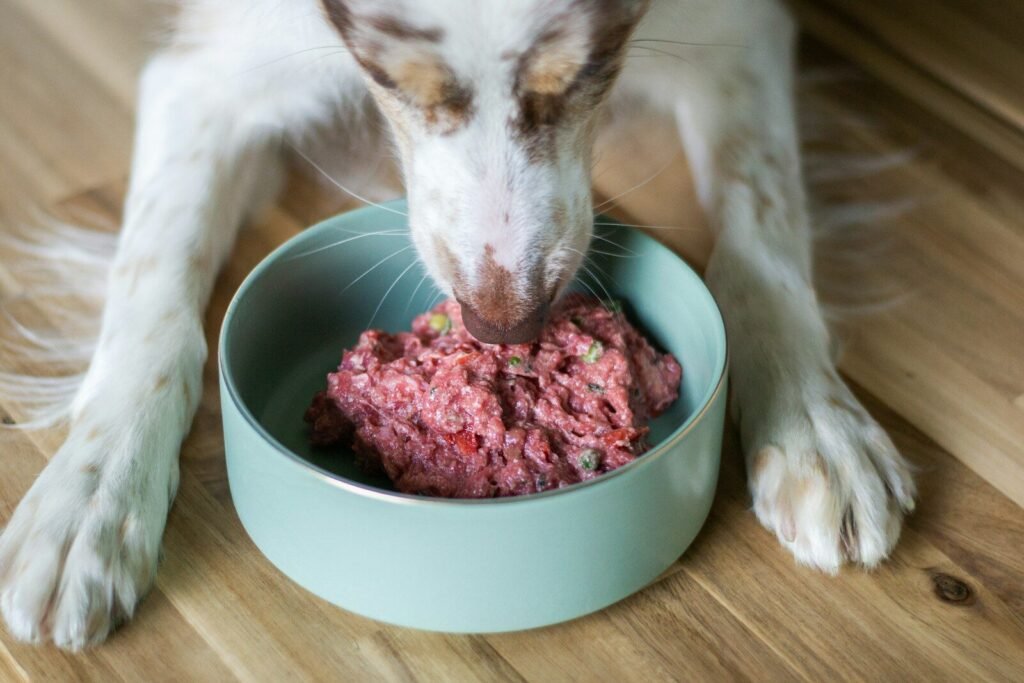
Dogs can react differently to human foods, and some may develop sensitivities or allergies over time. Unlike immediate toxic reactions, food sensitivities often build gradually, making them harder to spot. You might notice subtle changes in your dog’s behavior, energy levels, or physical condition after introducing new foods into their diet. Paying close attention to patterns in their response helps determine whether a specific ingredient is causing discomfort.
Consistent monitoring allows you to catch early signs before they escalate. Some dogs tolerate a food the first few times but react after repeated exposure. Others may inherit predispositions to certain intolerances, especially to proteins like beef or dairy. Keeping a simple food journal-recording what your dog eats and any reactions-gives you valuable insight and supports your veterinarian in making accurate assessments.
Your role in observing daily habits is key to protecting your dog’s long-term health. Since dogs can’t tell you when something feels off, they rely on you to interpret their symptoms. Early detection of sensitivities often prevents chronic issues and improves quality of life. Being proactive now reduces the risk of more serious complications down the road.
Common symptoms of digestive distress and skin irritation
Stomach upset is one of the first signs your dog may not tolerate a certain food. You might see vomiting, diarrhea, or excessive gas within hours of eating something new. These symptoms often come and go, especially if the offending food is given intermittently. A bloated or tender abdomen can also signal internal discomfort, prompting your dog to act restless or avoid being touched.
Changes in bowel movements reveal a lot about digestive health. Loose stools or mucus in feces suggest irritation in the gut lining. Your dog may strain to defecate or show urgency, sometimes leading to accidents indoors. Appetite fluctuations-eating less or refusing food altogether-often accompany these issues, especially if eating causes discomfort.
Skin problems frequently accompany food sensitivities. Itchy skin, redness, or hot spots can develop, particularly around the ears, paws, and base of the tail. Your dog may scratch, lick, or chew these areas obsessively, leading to sores or infections. Chronic ear infections or dull, flaky skin may also point to an underlying dietary trigger.
When to seek immediate veterinary assistance
Swelling in the face, lips, or throat demands urgent care. This type of reaction can obstruct breathing and becomes life-threatening within minutes. Hives or sudden widespread redness on the skin are also red flags, especially if your dog seems agitated or in pain. These signs suggest an acute allergic response that needs professional intervention.
Severe vomiting or diarrhea lasting more than a few hours can lead to dehydration and electrolyte imbalances. If your dog can’t keep water down or appears lethargic, don’t wait. Collapse, disorientation, or seizures after eating any human food require emergency treatment. These symptoms may indicate poisoning or a systemic reaction.
Some ingredients trigger rapid, dangerous responses even in small amounts. Grapes, onions, xylitol, and chocolate are known culprits, but any new food could provoke an unforeseen reaction. When in doubt, contact your vet or an emergency clinic immediately. Quick action can make the difference between a scare and a tragedy.
Knowing when to act fast protects your dog’s well-being more than any preventive measure. Emergency signs often appear suddenly and worsen quickly, so hesitation can be costly. Keep your veterinarian’s number and the nearest emergency clinic’s location saved in your phone. If your dog eats something toxic or shows signs of a severe reaction, every minute counts-don’t wait to see if symptoms improve on their own.
Final Words
Now you know exactly what foods are safe and unsafe for your dog. This guide gives you clear, reliable answers so you can make informed choices at every meal. You’ve seen how everyday items like apples and carrots can be healthy treats, while chocolate, grapes, and onions pose serious risks.
You are responsible for your dog’s well-being, and that includes what you share from your plate. Even small amounts of certain human foods can lead to severe health issues. Always double-check before offering something new, and keep a list of toxic foods visible in your kitchen.
Your dog depends on you to keep them safe. When in doubt, consult your veterinarian instead of guessing. Sticking to dog-approved foods ensures your companion stays healthy, happy, and by your side for years to come.