
What to Feed a Dog With a Sensitive Stomach

A sensitive stomach can make mealtime challenging for both dogs and their owners. Symptoms such as vomiting, diarrhea, excessive gas, bloating, or frequent digestive upset may indicate that your dog is struggling to tolerate certain foods or ingredients. While occasional stomach issues can happen, recurring digestive problems often require dietary adjustments to help keep your dog comfortable and healthy.
Choosing the right food can play a major role in improving digestive health and reducing stomach irritation. In this guide, you’ll learn what to feed a dog with a sensitive stomach, which ingredients are typically easier to digest, foods that may trigger digestive issues, and practical feeding strategies to support long-term gut health.
The Signs of Distress

Physical Indicators
Consistent vomiting or diarrhea often signals that your dog’s digestive system is struggling with their current diet. You might notice mucus or blood in their stool, which indicates irritation in the gastrointestinal tract. Frequent gas or bloating can also point to poor digestion, especially when they occur shortly after meals.
Weight loss without a change in appetite may mean nutrients aren’t being absorbed properly. A dull coat or skin issues sometimes accompany stomach problems, as internal imbalances often manifest externally. Chronic licking of the paws or abdomen could be a physical response to ongoing discomfort.
Some dogs develop a sensitivity to specific proteins or grains, triggering inflammation in the gut. If symptoms persist beyond a day or two, it’s time to reevaluate what’s in their bowl. Persistent physical signs should never be ignored-they’re your dog’s way of asking for help.
Behavioral Shifts
Reluctance to eat, even with their favorite treats, often reflects an underlying stomach issue. Your dog might sniff food and walk away, showing disinterest they didn’t have before. This sudden pickiness can be one of the earliest signs that something’s off internally.
Restlessness or frequent whining during or after meals may indicate abdominal pain. Dogs can’t tell you they’re uncomfortable, so they communicate through actions. Pacing, stretching in a “prayer position,” or avoiding movement altogether are subtle clues worth watching.
Uncharacteristic aggression or withdrawal might stem from chronic discomfort. When your dog feels unwell, their tolerance for interaction drops. These shifts aren’t just behavioral-they’re signals tied directly to physical well-being.
Behavioral changes are often dismissed as mood swings, but in dogs with sensitive stomachs, they’re frequently direct responses to pain or nausea. Observing patterns around feeding times helps connect the dots between diet and demeanor.
Elements to Avoid
Common Allergens
Dairy, beef, chicken, wheat, and soy top the list of ingredients most likely to trigger digestive upset in dogs with sensitive stomachs. Your dog may have developed an intolerance over time, even if they’ve eaten these foods without issue before. Watch for signs like gas, bloating, or loose stools after meals, as these often point to an underlying sensitivity.
Grain-based fillers like corn and wheat serve little nutritional purpose and can be hard for some dogs to break down. You might not realize how much these ingredients affect your pet until you remove them from the diet. A simple elimination trial can help identify which food components are causing discomfort.
Fish and eggs, while nutritious for many dogs, can also act as allergens in sensitive individuals. If your dog reacts to multiple proteins, consider switching to a novel protein source like duck, venison, or kangaroo. These less common meats reduce the chance of an adverse reaction.
Rich Additives
Artificial colors, flavors, and preservatives offer no health benefit and often irritate a delicate digestive tract. These lab-made substances can confuse your dog’s system, leading to inflammation or irregular bowel movements. Choosing clean, minimally processed foods supports long-term gut health.
Meat by-products and rendered fats may boost flavor but are difficult to digest for dogs with gastrointestinal sensitivities. These ingredients vary in quality and often contain parts of animals that aren’t meant for regular consumption. Your dog’s stomach will respond better to whole, identifiable protein sources.
High-fat toppings, gravies, and supplements marketed as palatability enhancers can overwhelm a sensitive system. Even natural fats like chicken fat or fish oil, when added in excess, may trigger diarrhea or vomiting. Moderation is key when introducing any rich addition to your dog’s bowl.
While some additives are unavoidable in commercial foods, reading labels carefully helps you make informed choices. Look for products with short ingredient lists and recognizable components. Your dog doesn’t need flashy enhancements-just clean, consistent nutrition to thrive.
The Transition Process
Gradual Mixing
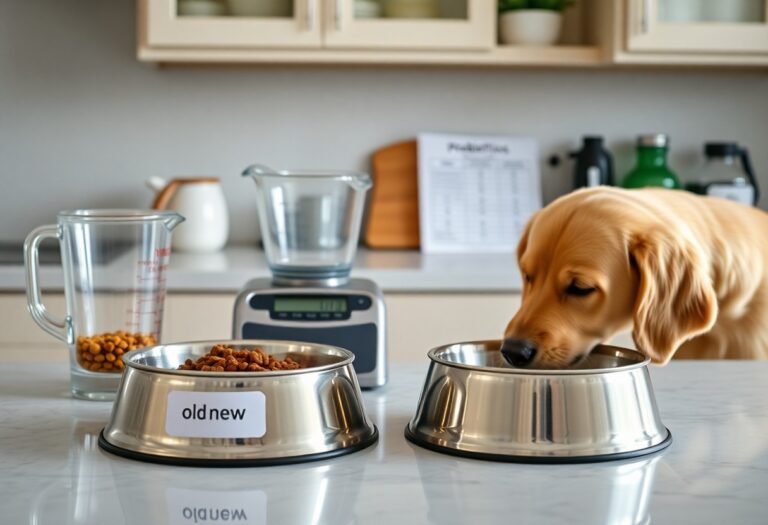
Changing your dog’s food too quickly can worsen digestive issues, so a slow blend of old and new food is crucial. Begin by mixing 25% of the new sensitive stomach formula with 75% of the current diet to allow the gut microbiome to adjust gently. This small shift helps prevent sudden irritation while introducing the new nutrients your dog needs.
Over the next few days, increase the proportion of new food to 50%, keeping an eye on how your dog responds. Most dogs tolerate this stage well, but loose stools or decreased appetite signal you should slow down. Patience during this phase supports long-term digestive health.
By days seven to ten, aim for 75% new food if no adverse symptoms appear. Completing the switch over 10-14 days gives the gastrointestinal tract time to adapt without stress. Rushing often leads to setbacks, so let your dog’s comfort guide the pace.
Monitoring Results
Watch your dog closely during the transition for changes in stool quality, energy levels, and appetite. Consistent, firm stools are a strong sign the new food is agreeing with their system. Any return of vomiting, diarrhea, or gassiness means the current formula may need reevaluation.
Keep a simple log of meals and bowel movements to spot patterns over time. This record helps you and your vet determine whether improvements are lasting or temporary. Subtle shifts in behavior, like increased alertness or willingness to eat, also indicate progress.
Some dogs show improvement within days, while others take weeks to stabilize. Consistency matters more than speed-your dog’s digestive recovery isn’t linear. Celebrate small wins, like a full meal eaten without hesitation or a day with normal stools.
Tracking your dog’s response goes beyond just physical symptoms. Notice if they seem more comfortable after meals, with less pacing or whining. These behavioral cues often reveal how well their stomach is adapting and can guide future dietary choices.
Natural Supplements

Probiotic Support
Your dog’s gut health plays a central role in digestion, especially when dealing with a sensitive stomach. Probiotics introduce beneficial bacteria that help balance the intestinal environment, reducing episodes of gas, bloating, and irregular bowel movements. These live microorganisms are naturally found in fermented foods and specially formulated canine supplements.
Choosing the right probiotic means looking for strains like *Lactobacillus acidophilus* and *Bifidobacterium animalis*, which have shown positive effects in dogs. You’ll find them in powdered form, easy to mix into meals, or in chewable treats your dog may enjoy. Consistency matters-daily use supports long-term digestive stability rather than short-term fixes.
Some dogs respond within days, showing improved stool quality and appetite. Others may take a few weeks to reflect changes. Watch for signs of improvement without introducing other dietary changes at the same time, so you can accurately assess the probiotic’s impact.
Fiber Sources
Fiber helps regulate your dog’s digestive rhythm by adding bulk to stool and supporting healthy fermentation in the colon. Soluble fiber, found in pumpkin, oats, and psyllium, absorbs water and slows digestion, which can be helpful for dogs with loose stools. Insoluble fiber, like that in green beans or flaxseed, moves through faster and aids in preventing constipation.
Introducing fiber gradually prevents sudden discomfort or gas buildup. Start with a teaspoon of plain canned pumpkin (not pie filling) mixed into your dog’s meal once daily. Monitor how your dog responds before increasing the amount. Many dogs find the taste agreeable, making it an easy addition.
Different dogs benefit from different fiber types, so some trial and error may be needed. Always ensure your dog has access to plenty of fresh water, as fiber works best with proper hydration. Over time, the right fiber source can lead to more consistent bowel movements and fewer digestive upsets.
While fiber is beneficial, not all sources are safe-avoid onions, garlic, and excessive amounts of bran, which can irritate the gut. Stick to simple, whole-food options or vet-approved supplements to minimize risk and maximize digestive support.
Summing up
Following this guide, you now know how to support your dog’s digestive health when dealing with a sensitive stomach. You should prioritize simple, highly digestible ingredients like boiled chicken, white rice, and plain pumpkin, which are gentle on the gut and help firm loose stools. Commercial diets labeled as limited-ingredient or veterinary-recommended for gastrointestinal sensitivity can also provide balanced nutrition without triggering discomfort.
Your dog benefits most when you introduce new foods slowly and monitor their response over several days. Sudden changes often worsen digestive upset, so consistency and patience matter. Avoid fatty, spicy, or heavily processed foods, as these commonly irritate sensitive systems.
You are in the best position to observe your dog’s daily habits and reactions. If symptoms persist beyond a few days or include vomiting, lethargy, or weight loss, consult your veterinarian. Long-term management may require tailored diets or medical evaluation to rule out underlying conditions. Your careful attention makes all the difference.