Can Cats Eat Tuna? Mercury Risk and Safe Feeding Limits

Tuna is a favorite treat for many cats, but it should be offered in moderation. While plain, cooked tuna can provide protein and omega-3 fatty acids, feeding too much may expose cats to excessive mercury and lead to nutritional imbalances if it replaces a complete and balanced diet.
This guide explains whether cats can safely eat tuna, the potential risks of mercury exposure, recommended feeding limits, and the best ways to offer tuna as an occasional treat. Understanding these guidelines can help you keep your cat healthy while satisfying their love for fish.
The Allure of the Silver Fish
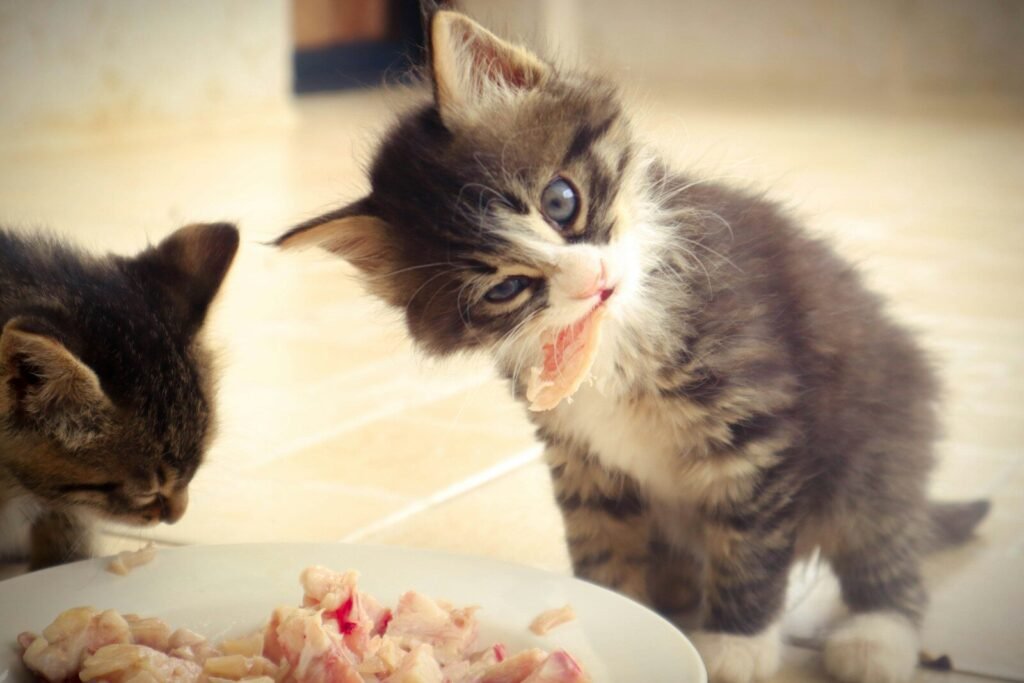
Every cat owner has seen it-the instant alertness in their pet’s eyes at the sound of a can opening, especially when it’s tuna. This fascination isn’t just about habit or learned behavior; it’s deeply rooted in a cat’s instinctual attraction to strong, fishy aromas.
Tuna emits volatile compounds that travel quickly through the air, hitting your cat’s highly sensitive olfactory receptors with precision. These scent molecules trigger a primal response, signaling the presence of high-protein prey. Even indoor cats, generations removed from hunting, react as if survival depends on it. The smell alone is enough to override distractions, drawing them in like a magnet.
The Feline Obsession with Scent
Your cat’s nose holds around 200 million scent receptors-far more than humans-and this acute sense drives much of their food preference. The pungent aroma of tuna cuts through other household smells, making it nearly impossible for them to ignore. This isn’t just about hunger; it’s about sensory dominance.
The scent profile of tuna mimics that of decaying animal protein, which, while unappetizing to us, signals nutrient-rich food to cats. Their evolutionary past as obligate carnivores fine-tuned them to seek out these odors. Even a small whiff can trigger salivation and focused attention, explaining why they appear so fixated. This deep-seated attraction makes tuna a powerful lure-but not always a safe choice.
Nutritional Reality of Red Meat Tuna
Red meat tuna, often labeled as a premium protein source, does offer high levels of animal-based protein and necessary amino acids like taurine. These nutrients support heart function, vision, and overall metabolic health in cats. However, this fish lacks balanced nutrition when fed regularly. It’s deficient in certain vitamins, such as vitamin E, and contains an imbalanced calcium-to-phosphorus ratio.
Over time, this can lead to skeletal and muscular issues. More concerning is its tendency to accumulate heavy metals, especially mercury, due to its position in the marine food chain. Even occasional feeding requires caution.
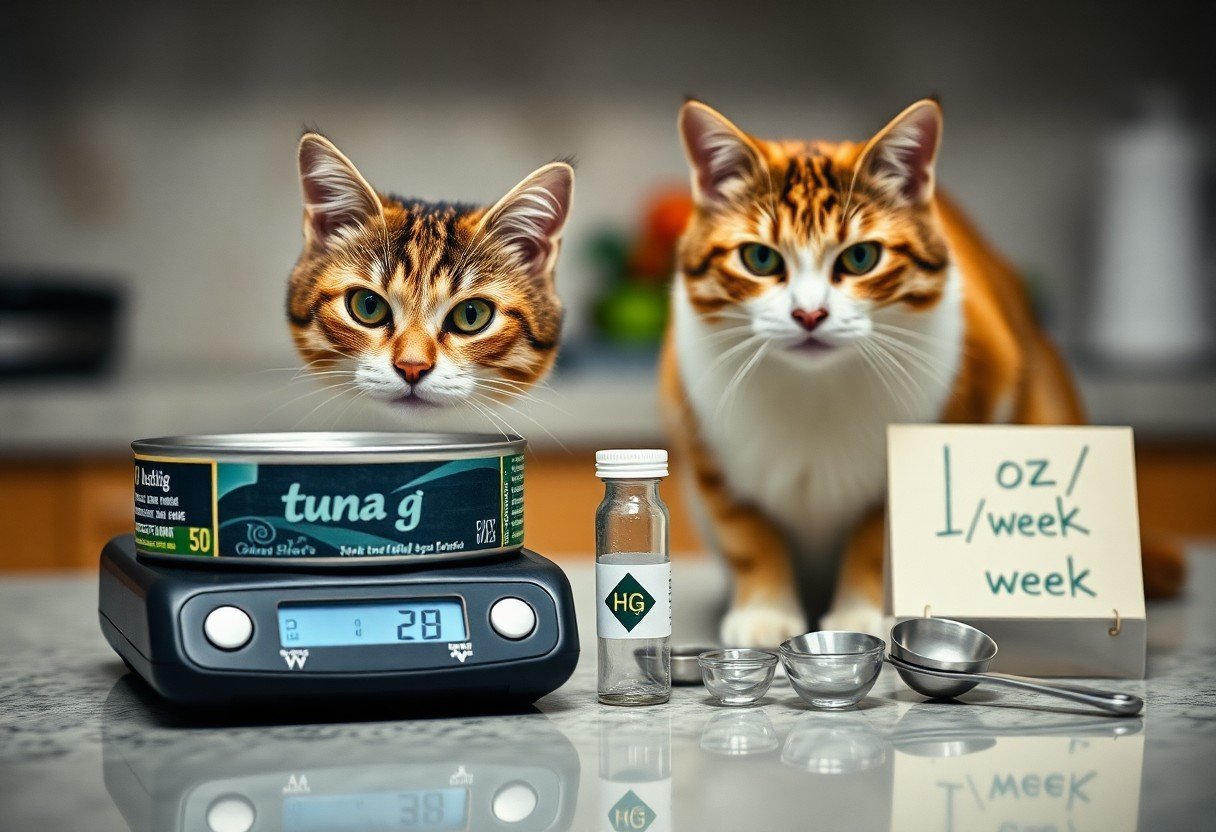
While red meat tuna provides some beneficial nutrients, it should never form the foundation of your cat’s diet. Its high mercury content and nutritional gaps make it unsuitable for daily consumption. Instead, treat it as an infrequent indulgence-no more than a teaspoon once or twice a month.
Opt for commercially prepared cat foods that use tuna as one ingredient among many, ensuring balanced nutrition. These formulations are designed to deliver the taste cats love without the health risks. Your cat may crave the bold flavor, but their long-term well-being depends on your restraint.
The Shadow of Mercury
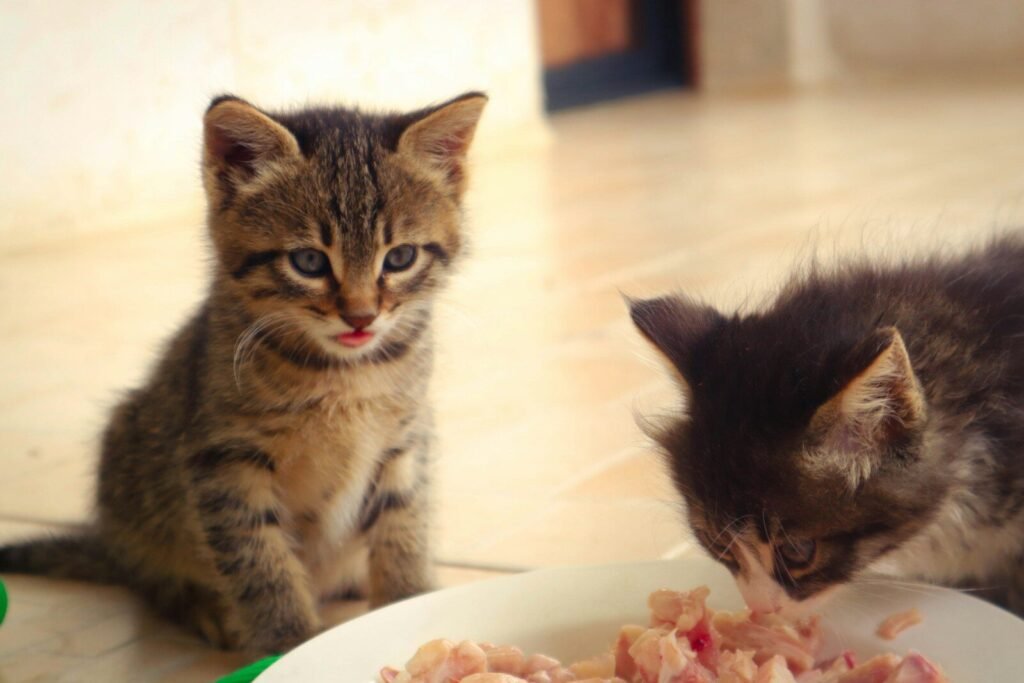
Mercury doesn’t just appear in tuna by chance-it’s a consequence of industrial pollution seeping into marine ecosystems. Once released into the atmosphere, mercury settles into oceans and lakes, where bacteria convert it into methylmercury, a highly toxic form. This compound binds to plankton and small fish, beginning a dangerous journey up the food chain.
Predatory fish like tuna consume contaminated prey over years, accumulating mercury in their tissues faster than they can excrete it. Larger, older tuna-especially species like albacore and bigeye-carry higher concentrations due to their position at the top of the marine food web. Your cat, though small, is similarly vulnerable when regularly fed these fish.
Even trace amounts can build up in your pet’s system over time, leading to long-term health consequences. Because cats metabolize substances differently than humans, their tolerance for mercury is far lower. Feeding tuna as a daily treat may seem harmless, but the invisible burden of mercury makes it a risky habit.
Deep-sea environments act as reservoirs for pollutants, and mercury is no exception. As it sinks through the water column, it becomes more concentrated in species that live and feed at greater depths. Tuna, which often hunt in deeper waters, ingest fish and squid that have already absorbed mercury over their lifetimes. Each meal adds to the load stored in their muscle tissue, making deep-dwelling tuna especially concerning.
You might not see it, but the ocean’s depth magnifies the problem. Cold, high-pressure zones slow decomposition and microbial activity, allowing mercury to persist longer. Organisms in these regions have limited ways to expel toxins, so contamination lingers and spreads. When you choose tuna sourced from deep-ocean fisheries, you’re more likely bringing that hidden burden into your home.
Even “natural” or wild-caught labels don’t guarantee safety. Mercury doesn’t discriminate between fishing methods-it’s in the biology of the fish. The deeper the origin, the higher the risk. Your cat’s small size means even a few servings of deep-sea tuna can contribute to a dangerous buildup over time.
Signs of Toxicity in the Hunter
Watch closely if tuna is a regular part of your cat’s diet. Subtle changes like uncoordinated movements, tremors, or hesitation when jumping may signal neurological damage. Mercury targets the nervous system, and cats, being agile predators by nature, often show physical instability first. These signs can be easy to miss, especially in older pets where decline might be mistaken for aging.
Behavior shifts are another red flag. Your cat may become unusually irritable, withdrawn, or lethargic. Appetite loss and weight reduction can follow, even if meals remain unchanged. Because mercury affects multiple organs, symptoms vary, but any sudden change in demeanor warrants a vet visit-especially with a history of frequent tuna consumption.
Chronic exposure can also impair kidney function, which plays a key role in filtering toxins. Increased thirst, frequent urination, or dull coat condition may point to internal strain. These signs develop slowly, making them easy to overlook. Yet together, they form a pattern that shouldn’t be ignored.
Neurological and organ damage from mercury is often irreversible once advanced. Early detection improves outcomes, so discussing your cat’s diet with a veterinarian is necessary if you suspect overexposure. Blood or tissue testing can confirm mercury levels, allowing for dietary adjustments before serious harm occurs.
Setting the Safe Limit
Frequency of the Occasional Treat
You might think feeding tuna once a week is harmless, but even that can add up over time. Cats love the strong smell and taste, which makes it easy to overdo it without realizing the long-term effects. Veterinarians recommend limiting tuna to no more than once every two weeks for most adult cats. This spacing helps reduce mercury accumulation while still allowing your pet to enjoy the flavor.
Regular exposure, even in small amounts, increases the risk of mercury toxicity, which can affect the nervous system. Treats like tuna should never become routine-reserve them for special moments, not daily rewards. Your cat won’t miss it if it’s truly occasional, and their health will benefit from the restraint.
Portions for the House Lion
A few small bites are enough to satisfy even the most enthusiastic feline. For an average-sized cat, a safe portion is about one to two teaspoons of plain, cooked tuna. This amount delivers flavor without overwhelming their diet with excess mercury or unhealthy fats.
Larger cats may tolerate slightly more, but it’s best not to exceed a tablespoon. Always serve tuna as a supplement, not a meal replacement. Commercial cat foods are balanced to meet nutritional needs-tuna lacks important nutrients like taurine when fed regularly. Stick to tiny portions to keep things safe and enjoyable.
Feeding more than a tablespoon occasionally can disrupt your cat’s nutritional balance. Even infrequent large portions increase mercury exposure faster than you might expect. Small, controlled amounts ensure your cat gets the treat without the risk.
Selecting the Proper Tin
Choosing the right tuna for your cat involves more than just grabbing the nearest can from the shelf. You need to pay close attention to the type of liquid it’s packed in, as this can significantly affect your cat’s health. While tuna might seem like a simple treat, the preparation method makes a big difference in its nutritional value and safety for feline consumption.
Water Versus Oil Preparations
Water-packed tuna is generally the better option for cats. It contains fewer calories and less fat than oil-packed varieties, reducing the risk of digestive upset or unwanted weight gain. Since cats don’t need extra fats from human-grade oils, avoiding oil-packed tuna helps maintain a balanced diet.
Oil-packed tuna often includes vegetable or soy oils that offer no real benefit to cats. These oils can contribute to loose stools or even pancreatitis in sensitive animals when fed regularly. Your cat’s digestive system isn’t designed to process large amounts of foreign fats.
Draining oil-packed tuna doesn’t fully remove the excess fat absorbed during packing. Even after rinsing, residue remains, increasing caloric intake without nutritional payoff. For a safer treat, always reach for tuna labeled “packed in water.”
The Danger of Added Salts and Spices
Salt is a serious concern in many canned tuna products marketed for humans. High sodium levels can lead to dehydration, kidney strain, or even sodium ion poisoning in cats. Your cat’s body processes salt very differently than yours, making even small amounts potentially harmful.
Seasoned or flavored tuna often contains garlic, onion powder, or other spices that are toxic to cats. These ingredients damage red blood cells and can cause life-threatening anemia. No savory twist is worth risking your pet’s health.
Always check the ingredient list before offering any tuna to your cat. The only ingredients should be tuna and water-nothing more. Flavored varieties may seem appealing, but they’re unsafe for regular or even occasional feeding.
Even small amounts of added salt can accumulate over time, especially if your cat eats commercial food that already contains sodium. Repeated exposure increases the risk of long-term health issues, including hypertension and organ stress. Sticking to plain, unseasoned, water-packed tuna ensures you’re not unknowingly introducing dangerous additives into your cat’s diet. Treats should complement a balanced diet, not compromise it.
To wrap up
You can feed your cat tuna, but doing so requires caution. Tuna contains mercury, a toxin that builds up in fish over time and can harm your cat’s nervous system and kidneys when consumed in excess. Commercial cat foods labeled with tuna are generally safe because they’re formulated to limit mercury exposure, but human-grade tuna lacks these safeguards.
Feeding your cat fresh or canned tuna meant for people should be an occasional treat, not a dietary staple. A small amount once or twice a month poses minimal risk, but more frequent servings increase the chance of mercury accumulation. You’re better off choosing cat foods specifically balanced for feline nutrition, which may include tuna as one ingredient among many.
Your cat’s health depends on consistent, balanced meals. While tuna is appealing and high in protein, it doesn’t provide all the nutrients cats need. Relying on it too much can lead to deficiencies or toxicity. Stick to vet-approved diets and use tuna only as a rare supplement.